THE ADVENTURE COLLECTIVE® · Independent discovery and booking for outdoor travel

A single day that stitches together Bali’s water-carved canyons, the highest Hindu pilgrimage complex on Agung’s slopes, and a living traditional village. This private full-day tour from Ubud balances short hikes with cultural stops and offers strong photo opportunities.
A single day that stitches together Bali’s water-carved canyons, the highest Hindu pilgrimage complex on Agung’s slopes, and a living traditional village. This private full-day tour from Ubud balances short hikes with cultural stops and offers strong photo opportunities.
You step out of the van and the air feels different: warm, damp, and full of green. The driver closes the door and the guide points down a short descent where water threads its way over polished rock—Kanto Lampo does not roar so much as grin, a stepped curtain of falls that invites a careful approach and a good photo. The tour moves like that all day: brief hikes, sudden shafts of light, and a succession of landscapes that show why eastern Bali is less about beaches and more about layered, living geology.
Verified experiences and guided adventures in the surrounding area.
Operated by Sindu Bali Driver · Ubud, Bali
You step out of the van and the air feels different: warm, damp, and full of green. The driver closes the door and the guide points down a short descent where water threads its way over polished rock—Kanto Lampo does not roar so much as grin, a stepped curtain of falls that invites a careful approach and a good photo. The tour moves like that all day: brief hikes, sudden shafts of light, and a succession of landscapes that show why eastern Bali is less about beaches and more about layered, living geology.
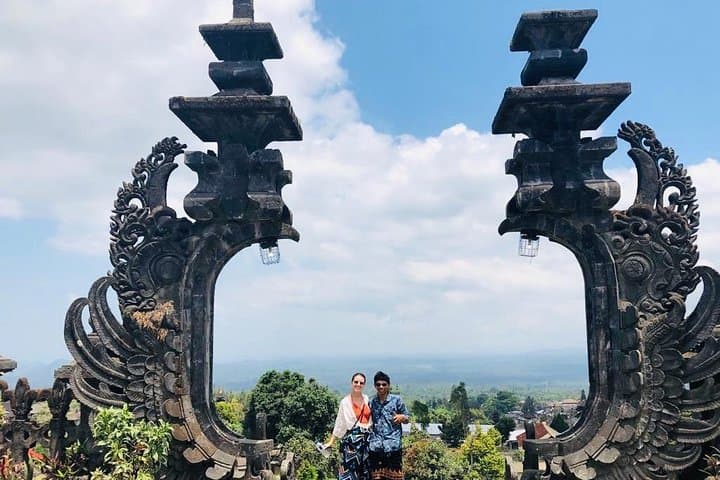
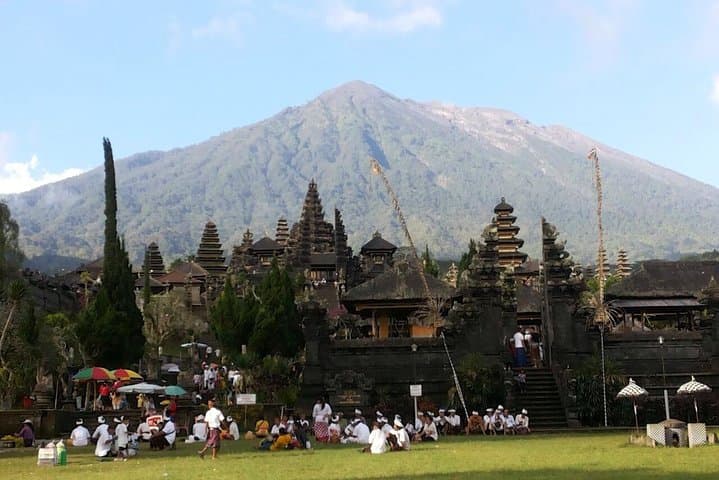
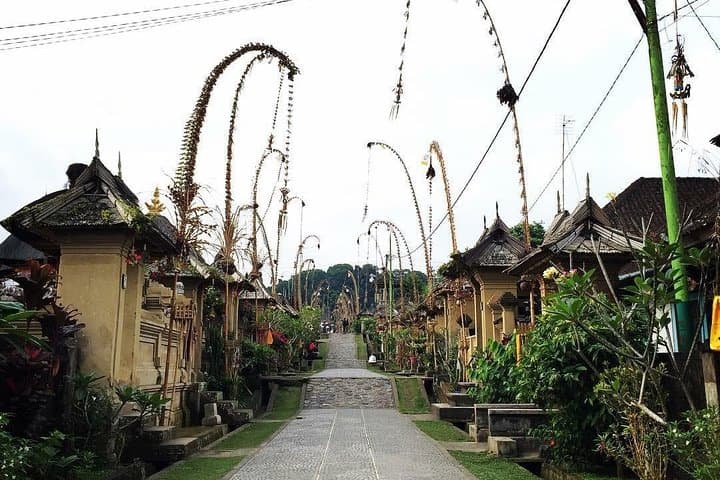
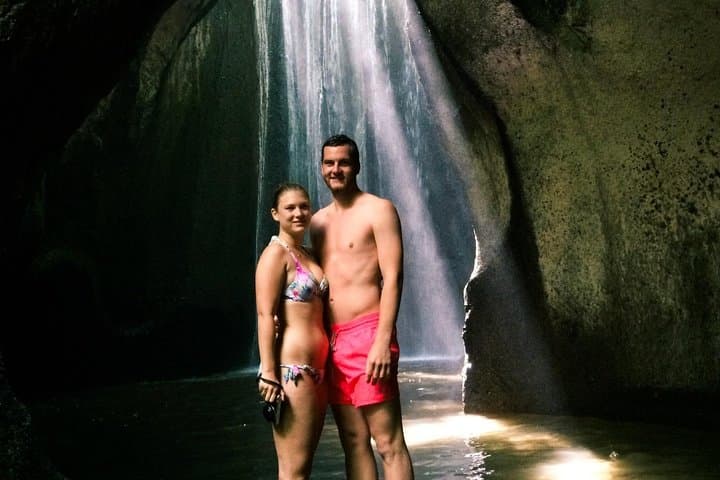
The route follows water across volcanic limestone and hardened ash from Mount Agung. Tukad Cepung is the geological showstopper: a river that has carved a slot canyon, where sunlight finds a narrow roof gap and sculpts a silhouette around the falling water. Besakih, the day’s cultural high point, sits higher—around 900 m above sea level—on Agung’s lower slopes. It is not a single temple but a compound of over twenty shrines, an active pilgrimage center where offerings appear like color on stone. Penglipuran village offers a slower tempo; its tidy bamboo grove and straight lanes are a study in village planning and living tradition.
History and culture are visible in the details: the layered shrines that reflect Bali’s poetic Hinduism, the rice terraces that record centuries of irrigation practice, the bamboo that locals still use for building and ceremonies. Geology is visible in the canyon walls, in the volcanic soils that feed palm and rice, and in the way water negotiates rock and root. The guide will unpack ritual protocols at temples and explain how local communities manage visitor flows to protect sacred sites.
Practical side: this is a private, full-day tour from Ubud (approx. 6 hours). Walking at the waterfalls means steps and uneven, often slippery rock—expect easy to moderate walking with short descents of 5–15 minutes at Kanto Lampo and Tukad Cepung. Besakih involves more steps across terraces; plan for light elevation gain and some stair climbing to reach the best vantage points. The operator provides bottled water and a sarong for temple entry, and pickup is typically around 08:00 from Ubud, Seminyak, Kuta and nearby areas.
Timing matters: arrive early at Tukad Cepung to catch the light shaft before crowds gather. Wear non-slip shoes and bring a waterproof case for your camera; waterfalls are friendly to photographers but not to gear. Respect temple dress codes and local customs—cover shoulders and waist when required and leave single-use plastics behind. With a mix of short hikes, cultural immersion, and dramatic vistas, the day delivers a compact, richly textured view of Bali beyond the resorts.
easy.
6 hours.
Suitable for travelers in light to moderate physical condition; includes short stair climbs and uneven ground.
Besakih entrance is typically included for this tour, but some inner shrines may require a separate modest fee—your guide will advise on-site.
Swimming is possible at some lower pools but is not always safe; follow guide instructions and avoid strong currents or slippery edges.
Yes—this itinerary is rated easy and private transport minimizes strain, but expect stairs and short uneven trails that may be challenging for limited mobility.
A sarong is required for temple visits; the tour provides one, but you may prefer to bring your own for comfort.
Bottled water is provided; bring snacks if you prefer. There are local eateries near Penglipuran and Besakih for lunch stops.
For a full refund cancel at least 24 hours before departure; cancellations inside 24 hours are non-refundable.
Besakih has been a major Hindu pilgrimage site for centuries; the compound reflects layered expansions tied to Bali’s religious history and its relationship with Mount Agung.
Local communities are sensitive to tourism impact—avoid littering, respect restricted areas, and consider bringing reusable water bottles to reduce plastic waste.
Sindu Bali Driver operates guided outdoor trips and adventures with an emphasis on safety, stewardship, and memorable experiences.
You step out of the van and the air feels different: warm, damp, and full of green. The driver closes the door and the guide points down a short descent where water threads its way over polished rock—Kanto Lampo does not roar so much as grin, a stepped curtain of falls that invites a careful approach and a good photo. The tour moves like that all day: brief hikes, sudden shafts of light, and a succession of landscapes that show why eastern Bali is less about beaches and more about layered, living geology.
You step out of the van and the air feels different: warm, damp, and full of green. The driver closes the door and the guide points down a short descent where water threads its way over polished rock—Kanto Lampo does not roar so much as grin, a stepped curtain of falls that invites a careful approach and a good photo. The tour moves like that all day: brief hikes, sudden shafts of light, and a succession of landscapes that show why eastern Bali is less about beaches and more about layered, living geology.
The route follows water across volcanic limestone and hardened ash from Mount Agung. Tukad Cepung is the geological showstopper: a river that has carved a slot canyon, where sunlight finds a narrow roof gap and sculpts a silhouette around the falling water. Besakih, the day’s cultural high point, sits higher—around 900 m above sea level—on Agung’s lower slopes. It is not a single temple but a compound of over twenty shrines, an active pilgrimage center where offerings appear like color on stone. Penglipuran village offers a slower tempo; its tidy bamboo grove and straight lanes are a study in village planning and living tradition.
History and culture are visible in the details: the layered shrines that reflect Bali’s poetic Hinduism, the rice terraces that record centuries of irrigation practice, the bamboo that locals still use for building and ceremonies. Geology is visible in the canyon walls, in the volcanic soils that feed palm and rice, and in the way water negotiates rock and root. The guide will unpack ritual protocols at temples and explain how local communities manage visitor flows to protect sacred sites.
Practical side: this is a private, full-day tour from Ubud (approx. 6 hours). Walking at the waterfalls means steps and uneven, often slippery rock—expect easy to moderate walking with short descents of 5–15 minutes at Kanto Lampo and Tukad Cepung. Besakih involves more steps across terraces; plan for light elevation gain and some stair climbing to reach the best vantage points. The operator provides bottled water and a sarong for temple entry, and pickup is typically around 08:00 from Ubud, Seminyak, Kuta and nearby areas.
Timing matters: arrive early at Tukad Cepung to catch the light shaft before crowds gather. Wear non-slip shoes and bring a waterproof case for your camera; waterfalls are friendly to photographers but not to gear. Respect temple dress codes and local customs—cover shoulders and waist when required and leave single-use plastics behind. With a mix of short hikes, cultural immersion, and dramatic vistas, the day delivers a compact, richly textured view of Bali beyond the resorts.