THE ADVENTURE COLLECTIVE® · Independent discovery and booking for outdoor travel

Stroll Devonport's waterfront with a guide who pairs mussel pots and steak and cheese pie with seafaring stories. This 3.5-hour walk blends food tastings and local history across volcanic ridgelines and historic streets.
Stroll Devonport's waterfront with a guide who pairs mussel pots and steak and cheese pie with seafaring stories. This 3.5-hour walk blends food tastings and local history across volcanic ridgelines and historic streets.
The harbour keeps a steady conversation with Devonport: gulls call from the ferry, salt wind presses fingers to the quay, and stone cottages push their faces toward the sea. On this three-and-a-half-hour guided walk, the town's culinary pulse — mussel pots, classic fish and chips, and the famed steak and cheese pie — appears as naturally as the tidal rhythm. Guides steer the group along leafy lanes and foreshore paths, pausing at weathered buildings that hold quieter chapters of Auckland's past.
Verified experiences and guided adventures in the surrounding area.
Operated by Epic Tour · Devonport, Auckland
The harbour keeps a steady conversation with Devonport: gulls call from the ferry, salt wind presses fingers to the quay, and stone cottages push their faces toward the sea. On this three-and-a-half-hour guided walk, the town's culinary pulse — mussel pots, classic fish and chips, and the famed steak and cheese pie — appears as naturally as the tidal rhythm. Guides steer the group along leafy lanes and foreshore paths, pausing at weathered buildings that hold quieter chapters of Auckland's past.
Devonport began as a strategic waterfront long before it became a weekend escape. Its volcanic cones, especially Takarunga / Mount Victoria, were once fortified pā, offering food and lookout points to Māori communities. European settlers later added naval infrastructure and Victorian villas, leaving a layered town where Māori kūmara terraces and colonial jetty posts coexist within a few blocks.
Geologically the area is part of the Auckland volcanic field; walk high enough and the basalt shoulders around you will show the raw bones of an eruption cycle that shaped the harbour. Culturally, Devonport has always been maritime first: shipwrights and fishermen shaped local menus, and those traditions survive in small food shops and family-run cafés where recipes pass from one generation to the next.
The tour blends these threads. Expect structured food stops with tastings rather than sit-down multi-course meals, and listen for stories that link a single pie shop to wartime sailors or a mussel farmer to changing harbour regulations. The guide will outline both Māori and colonial perspectives, creating a fuller picture without rushing the flavors.
Practicalities matter: the walking is easy, mostly flat with a couple of short climbs for views. Wear supportive shoes; coastal gusts can turn a calm morning into a brisk one. Public transport is straightforward — ferries run regularly from downtown Auckland, and the meeting details are sent a day before the tour. The tour accepts infants in strollers and is suitable for most fitness levels, but it does include a few stairs and cobbled streets.
For photographers, the late afternoon light softens the waterfront and brings color to corrugated-iron roofs. If you want to linger after the tour, climb Takarunga for a panorama of Rangitoto Island, or duck into a local deli for more samples to take home. The experience is less about racing through a checklist and more about being led through a neighborhood that still believes food tells its own history.
easy.
3–3.5 hours.
Suitable for most people who can walk 2–4 miles with short breaks; includes some stairs and cobbled sections.
Meeting details are sent by the guide a day before the tour; the ferry terminal in Devonport is the most common rendezvous point.
Yes — inform the operator when booking and they will adjust samples where possible, but options are limited at some stops.
Infants can use strollers and much of the route is accessible, but there are some stairs and uneven cobbles that may be challenging for wheelchairs.
About 2–3 miles total at an easy pace with frequent stops for tasting and storytelling over roughly 3.5 hours.
The tour runs in light rain; cancellations for severe weather follow the operator's standard policy — full refund if canceled at least 24 hours in advance.
Yes — frequent ferries run from downtown Auckland and buses serve the North Shore; check current timetables on the day of travel.
Devonport began as an important Māori settlement and later became a naval and shipbuilding hub during European colonization, leaving a layered coastal heritage.
Local groups monitor shellfish beds and water quality; visitors are encouraged to avoid feeding wildlife and to use refillable containers to reduce waste.
Epic Tour operates guided outdoor trips and adventures with an emphasis on safety, stewardship, and memorable experiences.
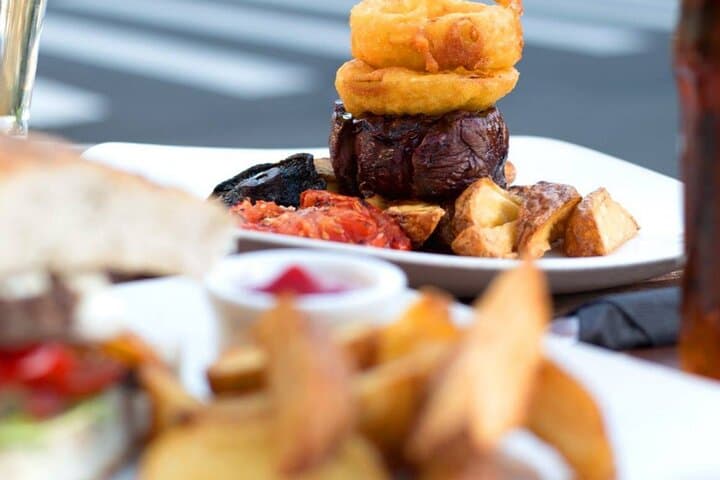
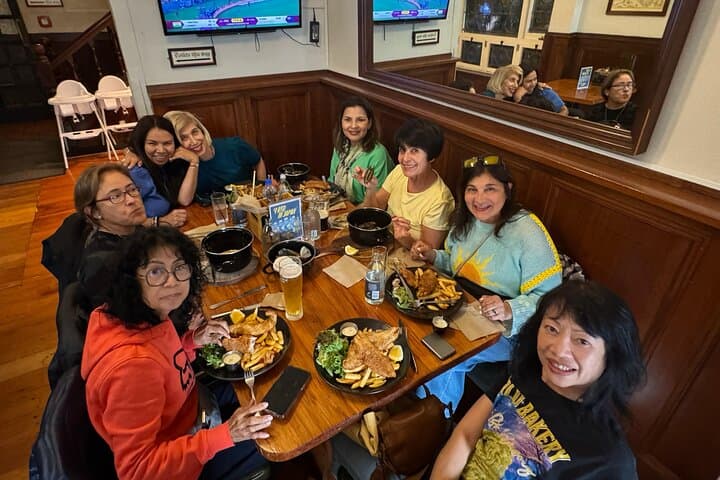

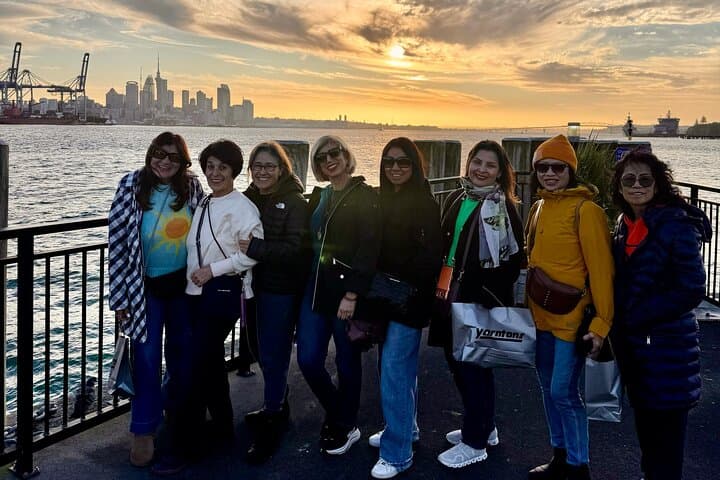
The harbour keeps a steady conversation with Devonport: gulls call from the ferry, salt wind presses fingers to the quay, and stone cottages push their faces toward the sea. On this three-and-a-half-hour guided walk, the town's culinary pulse — mussel pots, classic fish and chips, and the famed steak and cheese pie — appears as naturally as the tidal rhythm. Guides steer the group along leafy lanes and foreshore paths, pausing at weathered buildings that hold quieter chapters of Auckland's past.
The harbour keeps a steady conversation with Devonport: gulls call from the ferry, salt wind presses fingers to the quay, and stone cottages push their faces toward the sea. On this three-and-a-half-hour guided walk, the town's culinary pulse — mussel pots, classic fish and chips, and the famed steak and cheese pie — appears as naturally as the tidal rhythm. Guides steer the group along leafy lanes and foreshore paths, pausing at weathered buildings that hold quieter chapters of Auckland's past.
Devonport began as a strategic waterfront long before it became a weekend escape. Its volcanic cones, especially Takarunga / Mount Victoria, were once fortified pā, offering food and lookout points to Māori communities. European settlers later added naval infrastructure and Victorian villas, leaving a layered town where Māori kūmara terraces and colonial jetty posts coexist within a few blocks.
Geologically the area is part of the Auckland volcanic field; walk high enough and the basalt shoulders around you will show the raw bones of an eruption cycle that shaped the harbour. Culturally, Devonport has always been maritime first: shipwrights and fishermen shaped local menus, and those traditions survive in small food shops and family-run cafés where recipes pass from one generation to the next.
The tour blends these threads. Expect structured food stops with tastings rather than sit-down multi-course meals, and listen for stories that link a single pie shop to wartime sailors or a mussel farmer to changing harbour regulations. The guide will outline both Māori and colonial perspectives, creating a fuller picture without rushing the flavors.
Practicalities matter: the walking is easy, mostly flat with a couple of short climbs for views. Wear supportive shoes; coastal gusts can turn a calm morning into a brisk one. Public transport is straightforward — ferries run regularly from downtown Auckland, and the meeting details are sent a day before the tour. The tour accepts infants in strollers and is suitable for most fitness levels, but it does include a few stairs and cobbled streets.
For photographers, the late afternoon light softens the waterfront and brings color to corrugated-iron roofs. If you want to linger after the tour, climb Takarunga for a panorama of Rangitoto Island, or duck into a local deli for more samples to take home. The experience is less about racing through a checklist and more about being led through a neighborhood that still believes food tells its own history.