THE ADVENTURE COLLECTIVE® · Independent discovery and booking for outdoor travel

Spend a private day exploring Mauritius’ southern highlands: rainforest lookouts at Black River Gorges, the surreal Seven Colored Earth of Chamarel, a rum tasting and more. This curated loop minimizes driving and maximizes stops for photos and short walks.
Spend a private day exploring Mauritius’ southern highlands: rainforest lookouts at Black River Gorges, the surreal Seven Colored Earth of Chamarel, a rum tasting and more. This curated loop minimizes driving and maximizes stops for photos and short walks.
The engine hums, the coastline slides by and the driver eases the van up into the island’s southern folds. Within an hour the sugar-white beaches and resort hotels have been swallowed by a green slope that smells of wet earth and eucalyptus. Here, on Mauritius’ wild southern flank, the day unspools as a sequence of sudden views: a blue reservoir cupped in an old crater, a ribboning river plunging through rainforest, and a patchwork of colors in sand that looks almost engineered.
Verified experiences and guided adventures in the surrounding area.
Operated by TIPIK TOUR · Chamarel, Black River District
The engine hums, the coastline slides by and the driver eases the van up into the island’s southern folds. Within an hour the sugar-white beaches and resort hotels have been swallowed by a green slope that smells of wet earth and eucalyptus. Here, on Mauritius’ wild southern flank, the day unspools as a sequence of sudden views: a blue reservoir cupped in an old crater, a ribboning river plunging through rainforest, and a patchwork of colors in sand that looks almost engineered.
This private, full-day loop stitches together some of Mauritius’ most photogenic and geologically distinct sites. The Black River Gorges is the island’s largest national park, carved from basalt flows and sliced by streams that dared their way through volcanic tuff. Chamarel sits downstream of those highlands: a small settlement whose fame rests on two unusual attractions—the 7 Colored Earth, where iron and aluminum oxides separated in cooling lava, and a local rum distillery that still tastes of cane fields and clay roads.
Culturally, the route also traces Mauritius’ layered past. Hindu shrines and the Ganga Talao lake reflect the island’s Indian diaspora; distilleries and cane terraces recall the colonial sugar economy that reshaped the land and people. Guides on this route balance natural history—why the soils stripe like layered pastels—with human stories: sugar cane’s role in creating Mauritius’ rum traditions and the conservation fight that led to protecting the Gorges.
Practical rhythm: expect a 7–8 hour day with multiple short stops. Most visits last 20–60 minutes; the itinerary is tuned to photo-friendly pauses and light walking—lookouts, short paved paths, and moderate steps at viewpoints. Wear grippy shoes for damp trails and bring a lightweight rain layer; mountain weather can shift fast.
Tips for timing: mornings bring crisper air and fewer tour groups at Chamarel’s lookout; late afternoon softens shadows in the gorges and can light the colored earth with warm contrast. The tour excludes lunch and entrance fees, so pack snacks if you prefer to skip the small cafés near attractions.
Safety and etiquette are simple but important. Don’t feed the macaque monkeys around the trails—feeding alters behavior and increases conflict. Stick to marked paths in the national park to protect fragile endemic flora.
For travelers who want less driving and more discovery, this private route condenses the south’s best stops into a single, digestible day. It’s an efficient way to feel the island’s geology under your feet, taste its rum, and watch the forest reclaim the slopes where lava once ran.
moderate.
7–8 hours.
Suitable for travelers with moderate fitness—short walks and some steps, mostly short on-foot segments
The tour runs about 7–8 hours (420–480 minutes), with multiple short stops of 15–60 minutes each.
No—entrance fees and lunch are excluded and payable on-site.
Yes, children are allowed but must be accompanied by an adult; minimum age is 3 and the operator recommends a moderate fitness level.
Bring some cash for small entrance fees, local cafés and purchases—card acceptance varies.
You can often see macaque monkeys and native birds; avoid feeding or approaching wildlife.
Round-trip private transfer is included—exact pickup time depends on hotel location and is communicated before departure.
The route crosses land shaped by volcanic activity and centuries of sugar-cane cultivation; rum production remains a local craft tied to that agricultural history.
Black River Gorges is a protected area—stay on marked trails and avoid disturbing endemic plants; don’t feed wildlife and dispose of waste responsibly.
TIPIK TOUR operates guided outdoor trips and adventures with an emphasis on safety, stewardship, and memorable experiences.
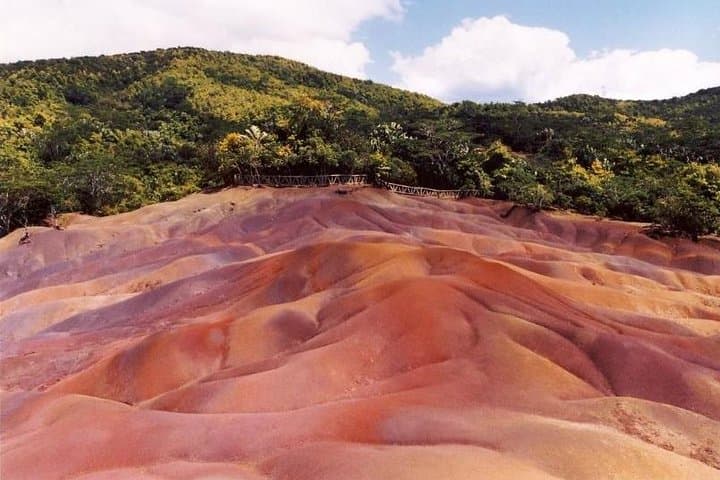
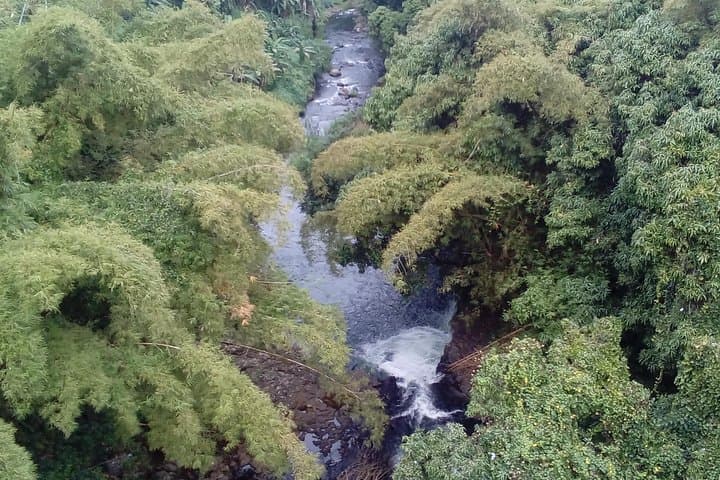

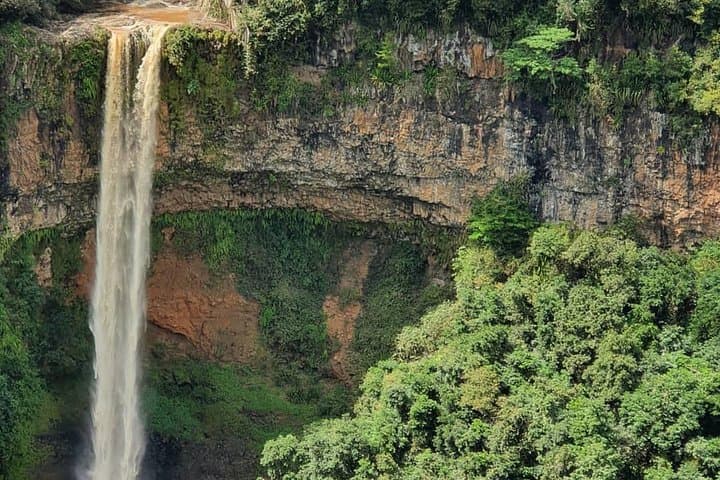
The engine hums, the coastline slides by and the driver eases the van up into the island’s southern folds. Within an hour the sugar-white beaches and resort hotels have been swallowed by a green slope that smells of wet earth and eucalyptus. Here, on Mauritius’ wild southern flank, the day unspools as a sequence of sudden views: a blue reservoir cupped in an old crater, a ribboning river plunging through rainforest, and a patchwork of colors in sand that looks almost engineered.
The engine hums, the coastline slides by and the driver eases the van up into the island’s southern folds. Within an hour the sugar-white beaches and resort hotels have been swallowed by a green slope that smells of wet earth and eucalyptus. Here, on Mauritius’ wild southern flank, the day unspools as a sequence of sudden views: a blue reservoir cupped in an old crater, a ribboning river plunging through rainforest, and a patchwork of colors in sand that looks almost engineered.
This private, full-day loop stitches together some of Mauritius’ most photogenic and geologically distinct sites. The Black River Gorges is the island’s largest national park, carved from basalt flows and sliced by streams that dared their way through volcanic tuff. Chamarel sits downstream of those highlands: a small settlement whose fame rests on two unusual attractions—the 7 Colored Earth, where iron and aluminum oxides separated in cooling lava, and a local rum distillery that still tastes of cane fields and clay roads.
Culturally, the route also traces Mauritius’ layered past. Hindu shrines and the Ganga Talao lake reflect the island’s Indian diaspora; distilleries and cane terraces recall the colonial sugar economy that reshaped the land and people. Guides on this route balance natural history—why the soils stripe like layered pastels—with human stories: sugar cane’s role in creating Mauritius’ rum traditions and the conservation fight that led to protecting the Gorges.
Practical rhythm: expect a 7–8 hour day with multiple short stops. Most visits last 20–60 minutes; the itinerary is tuned to photo-friendly pauses and light walking—lookouts, short paved paths, and moderate steps at viewpoints. Wear grippy shoes for damp trails and bring a lightweight rain layer; mountain weather can shift fast.
Tips for timing: mornings bring crisper air and fewer tour groups at Chamarel’s lookout; late afternoon softens shadows in the gorges and can light the colored earth with warm contrast. The tour excludes lunch and entrance fees, so pack snacks if you prefer to skip the small cafés near attractions.
Safety and etiquette are simple but important. Don’t feed the macaque monkeys around the trails—feeding alters behavior and increases conflict. Stick to marked paths in the national park to protect fragile endemic flora.
For travelers who want less driving and more discovery, this private route condenses the south’s best stops into a single, digestible day. It’s an efficient way to feel the island’s geology under your feet, taste its rum, and watch the forest reclaim the slopes where lava once ran.