THE ADVENTURE COLLECTIVE® · Independent discovery and booking for outdoor travel

Cross the thundering Deception Pass Bridge, hunt tidepool life on colorful beaches, and climb a historic lighthouse—all in one private SUV day trip from Seattle. This seven-hour tour blends scenic stops, local history, and ferry time for a compact taste of Whidbey Island.
Cross the thundering Deception Pass Bridge, hunt tidepool life on colorful beaches, and climb a historic lighthouse—all in one private SUV day trip from Seattle. This seven-hour tour blends scenic stops, local history, and ferry time for a compact taste of Whidbey Island.
A morning on Whidbey Island begins with wind and salt in the hair and the low rumble of an SUV pulling onto coastal roads. The tour threads out of Seattle’s urban edge and over the ferry’s slow, steady arc; soon, the Deception Pass Bridge rises ahead—steel ribs cutting the sky, the channel below working like an engine.
Verified experiences and guided adventures in the surrounding area.
Operated by Cheryl's Northwest Tours LLC · Oak Harbor, Washington
A morning on Whidbey Island begins with wind and salt in the hair and the low rumble of an SUV pulling onto coastal roads. The tour threads out of Seattle’s urban edge and over the ferry’s slow, steady arc; soon, the Deception Pass Bridge rises ahead—steel ribs cutting the sky, the channel below working like an engine.
On foot, the bridge asserts itself. Standing on the pedestrian walkway, travelers watch currents that dare to swap places with the Pacific, eddies tugging at logs and sending seabirds into sudden, efficient formation. Below, the inlet narrows into whitewater at low tide; the rock-strewn beaches beyond the headlands are lacquered in reds, greens and black—stones smoothed and arranged by centuries of tide.
This stretch of shoreline holds layered histories. Long before territorial forts and lighthouses, Coast Salish peoples harvested shellfish from the tidal flats and read the currents as maps. By the early 20th century, Fort Casey arrived—guns and concrete intended to watch Puget Sound—now a quiet place for climbing the lighthouse and reading military graffiti in sun-warmed stone. Geologically, you’re on the edge of glacial and marine processes: bedrock scoured by ice, beaches re-sorted by the seasonal moods of the Sound.
Culture here still favors small-scale rhythms—Coupeville’s wooden storefronts, Penn Cove mussel beds, and ferry-time conversations. A local driver-guide on this private SUV tour folds those human stories into the route: anecdotes about the bridge’s construction, tips on where the tidepools reveal starfish, and the best bench for watching the ferry slice to the horizon.
Practicalities keep the day moving. The standard itinerary runs about seven hours and balances short walks—crossing the 180-foot-high Deception Pass Bridge, a loop to the beach at Bowman Bay, a photo stop at Fort Casey lighthouse, and a relaxed lunch in Coupeville. Paths are mostly flat but can be slick near the water; footwear with grip matters more than mountaineering boots. Weather on the Sound shifts fast—layers and a waterproof shell will get you through sun, drizzle or wind without wrecking the day.
Timing matters: tides reshape the seascape and reveal the best tidepool life in late morning at mid to low tide. Bring a camera with a wide lens for the bridge and a telephoto for seals on the rocks. The tour includes a ferry ride and hotel pickup from Seattle, so logistics are tidy—just show up ready to walk a little, listen a lot, and let the currents of Deception Pass do the rest.
easy.
7 hours.
Light walking ability—most stops are short on easy terrain; stair climb to the lighthouse is optional.
Yes—hotel and SEA airport pickup within the Seattle area are offered; confirm your pickup location when booking.
Expect short, easy walks: crossing the bridge, a beach trail, and a climb at Fort Casey if you choose; minimal fitness required.
Many beaches are suitable for families, but watch tides and slippery rocks; supervise children around the water and tidepools.
Tours run rain or shine; bring layers—full refunds are allowed if you cancel at least 24 hours in advance.
Yes—harbor seals, seabirds and sometimes eagles are common; sightings can’t be guaranteed but the guide knows good vantage points.
The Fort Casey lighthouse is usually open, but access can vary—your guide will confirm on the day and offer alternate viewpoints if closed.
The area was traditionally used by Coast Salish peoples and later fortified in the early 20th century with Fort Casey to guard Puget Sound.
Tidepools are sensitive—avoid overturning rocks or removing life, and follow Leave No Trace guidelines to protect shoreline ecology.
Cheryl's Northwest Tours LLC operates guided outdoor trips and adventures with an emphasis on safety, stewardship, and memorable experiences.
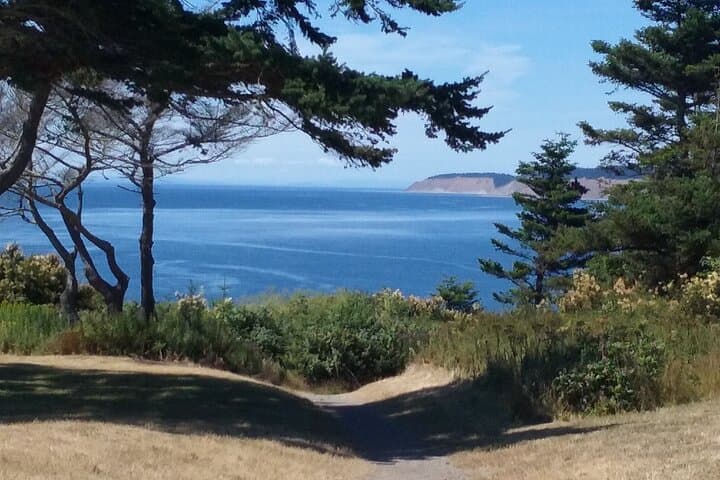
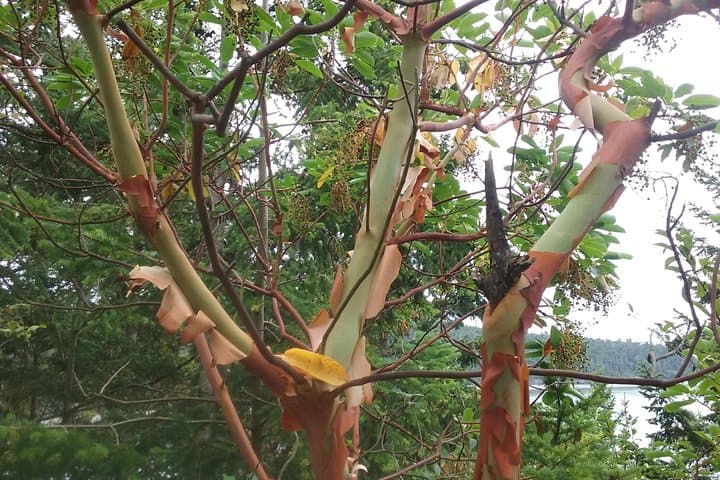
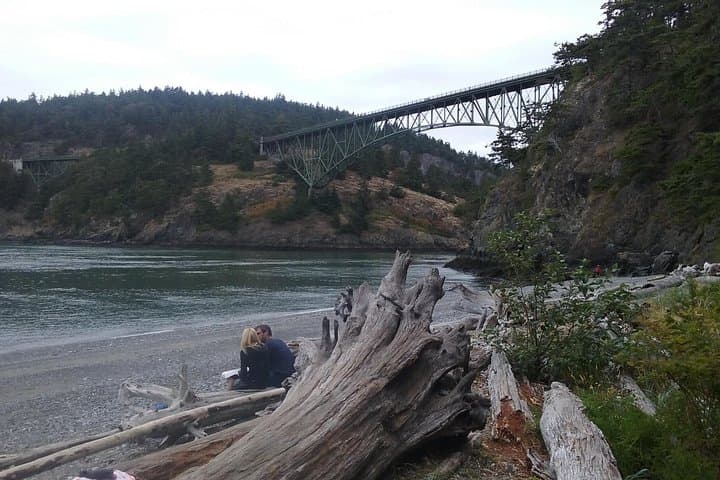
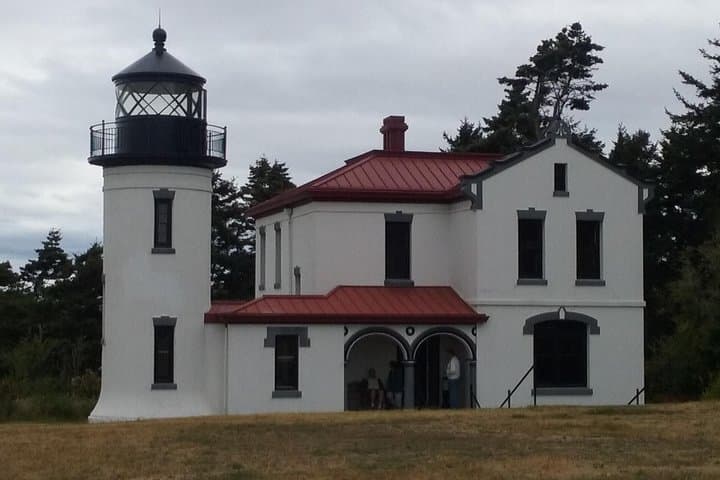
A morning on Whidbey Island begins with wind and salt in the hair and the low rumble of an SUV pulling onto coastal roads. The tour threads out of Seattle’s urban edge and over the ferry’s slow, steady arc; soon, the Deception Pass Bridge rises ahead—steel ribs cutting the sky, the channel below working like an engine.
A morning on Whidbey Island begins with wind and salt in the hair and the low rumble of an SUV pulling onto coastal roads. The tour threads out of Seattle’s urban edge and over the ferry’s slow, steady arc; soon, the Deception Pass Bridge rises ahead—steel ribs cutting the sky, the channel below working like an engine.
On foot, the bridge asserts itself. Standing on the pedestrian walkway, travelers watch currents that dare to swap places with the Pacific, eddies tugging at logs and sending seabirds into sudden, efficient formation. Below, the inlet narrows into whitewater at low tide; the rock-strewn beaches beyond the headlands are lacquered in reds, greens and black—stones smoothed and arranged by centuries of tide.
This stretch of shoreline holds layered histories. Long before territorial forts and lighthouses, Coast Salish peoples harvested shellfish from the tidal flats and read the currents as maps. By the early 20th century, Fort Casey arrived—guns and concrete intended to watch Puget Sound—now a quiet place for climbing the lighthouse and reading military graffiti in sun-warmed stone. Geologically, you’re on the edge of glacial and marine processes: bedrock scoured by ice, beaches re-sorted by the seasonal moods of the Sound.
Culture here still favors small-scale rhythms—Coupeville’s wooden storefronts, Penn Cove mussel beds, and ferry-time conversations. A local driver-guide on this private SUV tour folds those human stories into the route: anecdotes about the bridge’s construction, tips on where the tidepools reveal starfish, and the best bench for watching the ferry slice to the horizon.
Practicalities keep the day moving. The standard itinerary runs about seven hours and balances short walks—crossing the 180-foot-high Deception Pass Bridge, a loop to the beach at Bowman Bay, a photo stop at Fort Casey lighthouse, and a relaxed lunch in Coupeville. Paths are mostly flat but can be slick near the water; footwear with grip matters more than mountaineering boots. Weather on the Sound shifts fast—layers and a waterproof shell will get you through sun, drizzle or wind without wrecking the day.
Timing matters: tides reshape the seascape and reveal the best tidepool life in late morning at mid to low tide. Bring a camera with a wide lens for the bridge and a telephoto for seals on the rocks. The tour includes a ferry ride and hotel pickup from Seattle, so logistics are tidy—just show up ready to walk a little, listen a lot, and let the currents of Deception Pass do the rest.