THE ADVENTURE COLLECTIVE® · Independent discovery and booking for outdoor travel

Row through the Debed River canyon, hike between cliffside monasteries and finish with a bridge jump on a family-friendly 10 km rafting trip in Armenia’s Lori region. This three‑hour adventure blends easy whitewater with medieval ruins and river-carved geology.
Row through the Debed River canyon, hike between cliffside monasteries and finish with a bridge jump on a family-friendly 10 km rafting trip in Armenia’s Lori region. This three‑hour adventure blends easy whitewater with medieval ruins and river-carved geology.
You feel the canyon before you see it: a cool draft that narrows the scent of sun-warmed grass and wet stone. The Debed River appears as a silver thread down below, pushing through folded cliffs as your guide briefs the group on the highway shoulder between Vanadzor and Alaverdi. Within minutes the chatter dies and the river’s voice—steady, insistent—takes over.
Verified experiences and guided adventures in the surrounding area.
Operated by Rafting House · Odzun, Lori
You feel the canyon before you see it: a cool draft that narrows the scent of sun-warmed grass and wet stone. The Debed River appears as a silver thread down below, pushing through folded cliffs as your guide briefs the group on the highway shoulder between Vanadzor and Alaverdi. Within minutes the chatter dies and the river’s voice—steady, insistent—takes over.
This trip marries two very different Armenian landscapes. On land, the route arches along ancient stone: Horomayr Monastery clings to a cliff edge, its 7th-century origins hinted at by cave chapels and carved khachkars. The hike from Horomayr to Kobayr threads a canyon where limestone walls hold secrets of tectonic squeeze and river incision; Kobayr itself is a 12th-century compound half-tumbled into the gorge, a ruin that still reads as a lived place rather than a set piece.
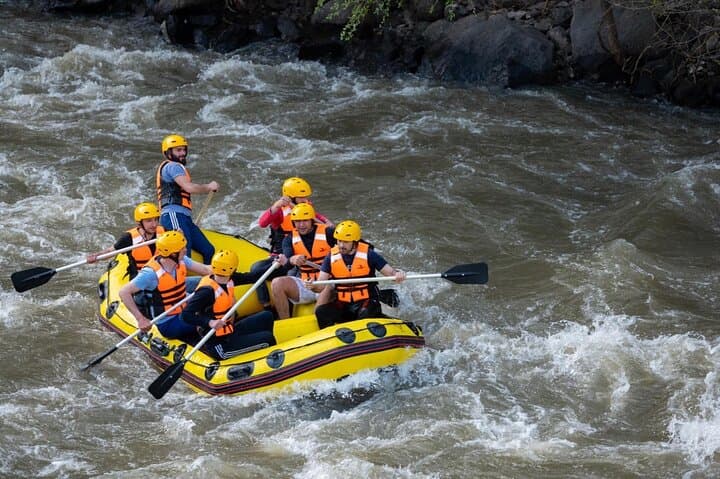
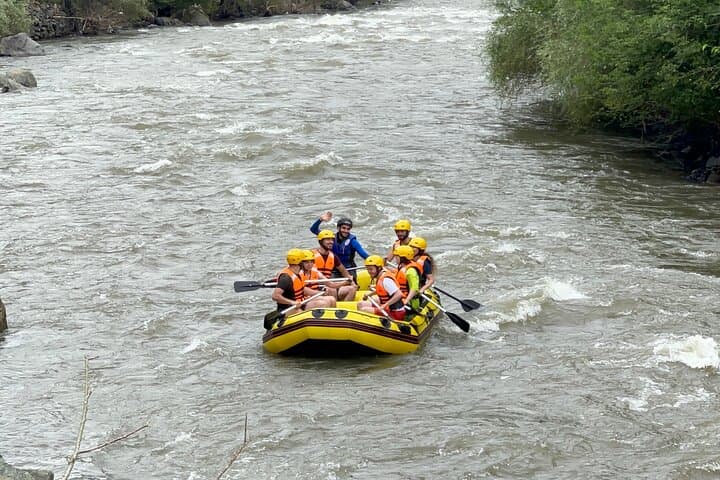
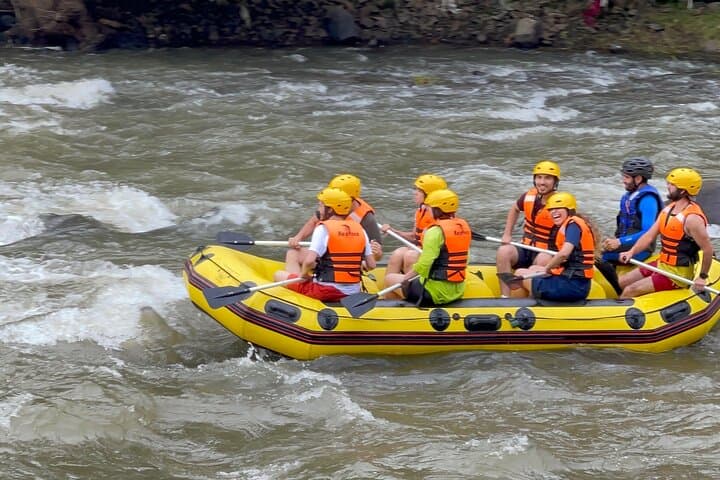
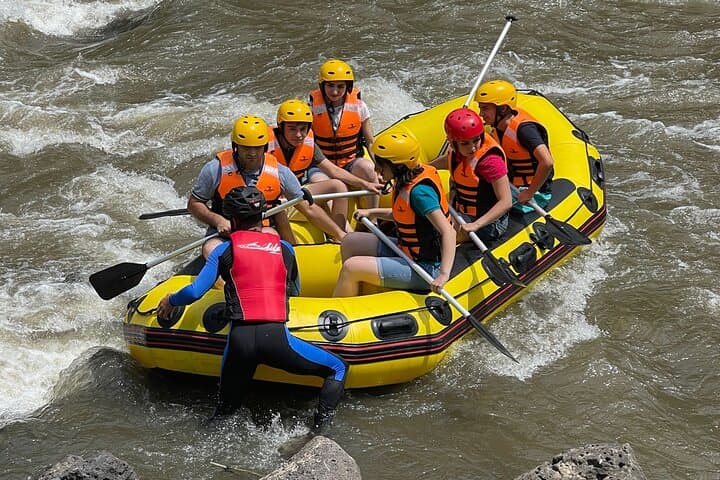
On water, the Debed offers a convivial introduction to rafting in the Caucasus. The three-hour experience covers roughly 10 kilometers of river—mostly easy Class I–II riffles appropriate for families, with a few playful drops where the raft presses into eddies and everyone scrambles for the next stroke. The river’s current dares you gently; guides stage safe jump points off a low bridge for anyone wanting a cold, clean plunge.
Culturally the route sits in Lori, a region shaped by medieval monasteries and later industrial towns. Monks, merchants and miners all left marks: carved cross-stones, Georgian linguistic traces in place names, and stone terraces that reconfigure how you read the canyon. Geologically, the Debed has cut through Miocene deposits; underfoot you’ll find banded limestones and river-rounded cobbles.
Practicalities are straightforward. Meet on the Vanadzor–Alaverdi interstate for prompt transfer to the put-in; total on-water time and associated hiking amounts to about three hours. Wear closed-toe shoes with grip, bring a light waterproof layer, sun protection and a refillable water bottle. Guides supply raft, paddles, helmets and lifejackets; basic swimming comfort is helpful but not required. Expect a small group—up to 30 but often much fewer—and tea or coffee after the run.
For photographers and culture seekers, linger at the monastery overlooks and watch for raptors riding thermal lifts above the gorge. Leave no trace: the canyon’s archaeological sites and fragile river corridor depend on low-impact visitation.
This day trip balances motion and stillness—rowing through a river that pushes forward while cliff-top stones keep a long memory. It’s accessible enough for parents with older children, but vivid enough for any traveler who likes to mix history, geology and the occasional splash.
moderate.
3 hours.
Light to moderate fitness is sufficient—expect short uphill/downhill walking and basic paddling effort.
The on-water portion covers about 10 kilometers and is included in the three-hour activity window.
The Debed run for this tour is family-friendly—mostly Class I–II with a few playful ripples; guides manage any trickier sections.
Yes; the trip is described as family-friendly, but organizers recommend children be comfortable with water and able to follow guide instructions.
No prior rafting experience is required; guides provide instruction and full safety gear including helmets and lifejackets.
Yes—the itinerary includes a short hike from Horomayr Monastery toward Kobayr, passing cliff-edge viewpoints and archaeological features.
Bring closed-toe water shoes, quick-dry clothes, sun protection, a refillable water bottle and a light waterproof layer for variable canyon conditions.
The route links monasteries with origins in the 7th and 12th centuries; khachkars and bilingual place names reflect Lori’s medieval cultural crossroads.
The Debed canyon is ecologically sensitive—stick to marked paths, pack out trash and avoid disturbing archaeological features to protect both nature and heritage.
Rafting House operates guided outdoor trips and adventures with an emphasis on safety, stewardship, and memorable experiences.
You feel the canyon before you see it: a cool draft that narrows the scent of sun-warmed grass and wet stone. The Debed River appears as a silver thread down below, pushing through folded cliffs as your guide briefs the group on the highway shoulder between Vanadzor and Alaverdi. Within minutes the chatter dies and the river’s voice—steady, insistent—takes over.
You feel the canyon before you see it: a cool draft that narrows the scent of sun-warmed grass and wet stone. The Debed River appears as a silver thread down below, pushing through folded cliffs as your guide briefs the group on the highway shoulder between Vanadzor and Alaverdi. Within minutes the chatter dies and the river’s voice—steady, insistent—takes over.
This trip marries two very different Armenian landscapes. On land, the route arches along ancient stone: Horomayr Monastery clings to a cliff edge, its 7th-century origins hinted at by cave chapels and carved khachkars. The hike from Horomayr to Kobayr threads a canyon where limestone walls hold secrets of tectonic squeeze and river incision; Kobayr itself is a 12th-century compound half-tumbled into the gorge, a ruin that still reads as a lived place rather than a set piece.
On water, the Debed offers a convivial introduction to rafting in the Caucasus. The three-hour experience covers roughly 10 kilometers of river—mostly easy Class I–II riffles appropriate for families, with a few playful drops where the raft presses into eddies and everyone scrambles for the next stroke. The river’s current dares you gently; guides stage safe jump points off a low bridge for anyone wanting a cold, clean plunge.
Culturally the route sits in Lori, a region shaped by medieval monasteries and later industrial towns. Monks, merchants and miners all left marks: carved cross-stones, Georgian linguistic traces in place names, and stone terraces that reconfigure how you read the canyon. Geologically, the Debed has cut through Miocene deposits; underfoot you’ll find banded limestones and river-rounded cobbles.
Practicalities are straightforward. Meet on the Vanadzor–Alaverdi interstate for prompt transfer to the put-in; total on-water time and associated hiking amounts to about three hours. Wear closed-toe shoes with grip, bring a light waterproof layer, sun protection and a refillable water bottle. Guides supply raft, paddles, helmets and lifejackets; basic swimming comfort is helpful but not required. Expect a small group—up to 30 but often much fewer—and tea or coffee after the run.
For photographers and culture seekers, linger at the monastery overlooks and watch for raptors riding thermal lifts above the gorge. Leave no trace: the canyon’s archaeological sites and fragile river corridor depend on low-impact visitation.
This day trip balances motion and stillness—rowing through a river that pushes forward while cliff-top stones keep a long memory. It’s accessible enough for parents with older children, but vivid enough for any traveler who likes to mix history, geology and the occasional splash.