THE ADVENTURE COLLECTIVE® · Independent discovery and booking for outdoor travel

Leave the neon for the rearview and enter a desert of extremes: salt flats that glint like ice, badlands carved into ridges of color, and sweeping sand dunes. This small-group VIP tour from Las Vegas packs Death Valley’s geological and cultural highlights into a focused, full-day adventure.
Leave the neon for the rearview and enter a desert of extremes: salt flats that glint like ice, badlands carved into ridges of color, and sweeping sand dunes. This small-group VIP tour from Las Vegas packs Death Valley’s geological and cultural highlights into a focused, full-day adventure.
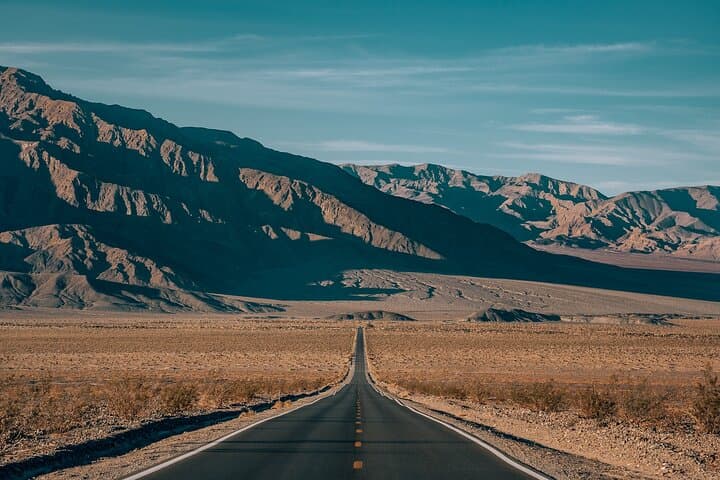
The van slips out of Las Vegas while the strip is still a string of low, orange lights and the desert yawns awake to a cool, pale sunrise. By the time the asphalt thins and the mountains close in, the Mojave has shifted from shadow to color: salt-crusted flats that glare like mirrors, badlands ribbed in ochre and rust, and dunes that catch the low light like spilled honey. On a small-group VIP tour, the landscape doesn’t feel staged; it feels candid and immediate, each stop a different page of a geological field guide.
Verified experiences and guided adventures in the surrounding area.
Operated by MARVIT TOURS LLC · Furnace Creek, California
The van slips out of Las Vegas while the strip is still a string of low, orange lights and the desert yawns awake to a cool, pale sunrise. By the time the asphalt thins and the mountains close in, the Mojave has shifted from shadow to color: salt-crusted flats that glare like mirrors, badlands ribbed in ochre and rust, and dunes that catch the low light like spilled honey. On a small-group VIP tour, the landscape doesn’t feel staged; it feels candid and immediate, each stop a different page of a geological field guide.
Death Valley is extreme by every measure. Geologically, it’s a graben—land that has dropped between fault-block ranges—so the valley floor sits more than 280 feet below sea level at Badwater Basin while jagged Panamint peaks rise above 11,000 feet nearby. Human history layers over that: the Timbisha Shoshone have lived here for millennia, adapting to scarce water, and the 19th-century borax boom left ghost towns and the memory of twenty-mule teams trudging over the flats. Guides on the tour connect those stories to the rocks and salt, turning stark vistas into a readable landscape.
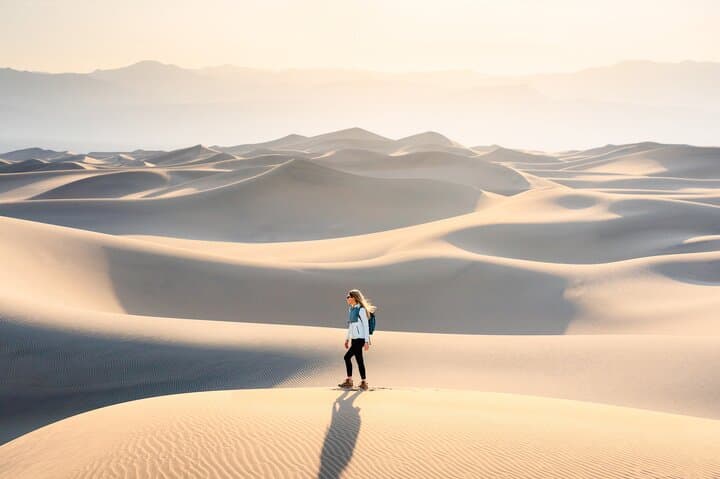
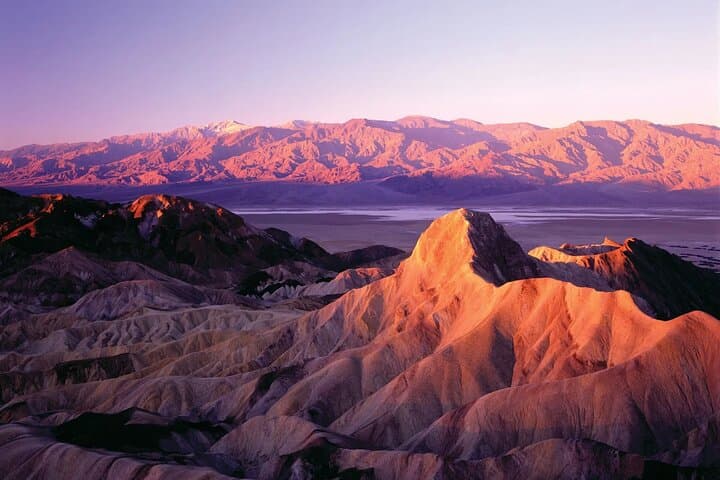
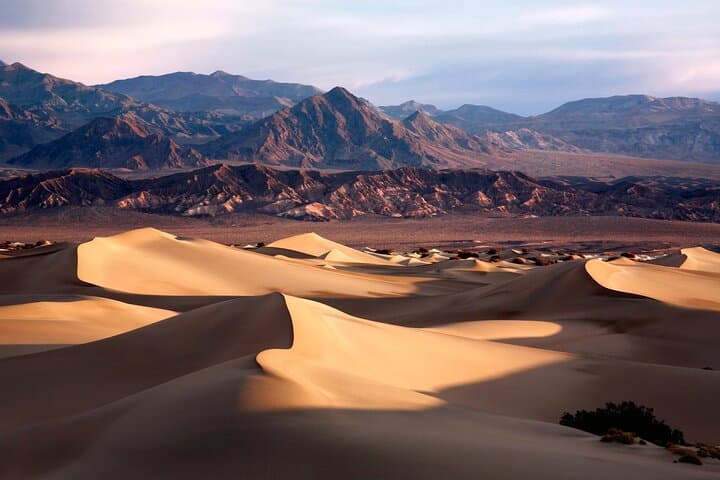
Stops typically include Zabriskie Point for sunrise-scale panoramas of folded badlands, Badwater Basin for walking across the otherworldly salt crust, and Mesquite Flat Sand Dunes for climbing soft ridgelines and watching the wind carve new patterns. Each site asks for a different attention: textures and shadows at Zabriskie, the geometric salt polygons at Badwater, and scale and motion at the dunes. The tour also routes through lesser-known corners when timing allows, turning an eight-hour drive into a compact introduction to the park’s contrasts.
Practical reality matters here. The tour starts early—hotel pickups between about 5:00 and 5:30 a.m.—and runs roughly eight hours with bottled water and lunch provided. Temperatures swing wildly by season: blistering in summer, crisp and calm in winter mornings. The terrain at stops is mostly easy walking over packed salt, sand, or gravel, but exposed sun and reflective surfaces intensify dehydration and sunburn risk. Guides brief groups on Leave No Trace practices and corral logistics so visitors can focus on framing shots and absorbing the scale.
For photographers and explorers, plan around light and layers: dawn and late afternoon deliver the best color; mid-day is for salt-snapshots and heat management. Bring sturdy closed-toe shoes for dune slopes, a wide-brim hat, sunscreen, and at least two liters of water beyond what the tour supplies if you’re prone to high exertion. If you travel from Las Vegas, this trip distills Death Valley into one memorable day: it's a fast, guided primer on extremes—the kind of landscape that insists on being noticed and prepared for.
moderate.
8 hours.
Moderate fitness; participants should handle multiple short walks over sand, salt, and gravel and sit comfortably for a longer van transfer.
The tour is approximately 8 hours with hotel pickups from Las Vegas between about 5:00 and 5:30 a.m.; you'll receive exact pickup details 24 hours before departure.
Infants and small children can ride in strollers; however, the tour involves some walking over uneven terrain and is not recommended for people with serious back or heart problems.
Bring extra water, sun protection (hat, sunscreen), sturdy shoes, and a small daypack for personal items—camera protection for sand is recommended.
Yes, the tour includes stops at Badwater Basin and Mesquite Flat Dunes where short walks are possible; expect salt crust and soft sand underfoot.
Restrooms are available at park visitor areas; the tour provides bottled water and lunch.
For a full refund cancel at least 24 hours before departure; the tour may be canceled for bad weather or insufficient travelers.
The valley bears marks of Timbisha Shoshone habitation and a 19th-century borax industry—remnants of mining and transport linger across the park.
Desert soils and cryptobiotic crusts are fragile; stick to established paths, pack out everything, and avoid disturbing geological or cultural sites.
MARVIT TOURS LLC operates guided outdoor trips and adventures with an emphasis on safety, stewardship, and memorable experiences.
The van slips out of Las Vegas while the strip is still a string of low, orange lights and the desert yawns awake to a cool, pale sunrise. By the time the asphalt thins and the mountains close in, the Mojave has shifted from shadow to color: salt-crusted flats that glare like mirrors, badlands ribbed in ochre and rust, and dunes that catch the low light like spilled honey. On a small-group VIP tour, the landscape doesn’t feel staged; it feels candid and immediate, each stop a different page of a geological field guide.
The van slips out of Las Vegas while the strip is still a string of low, orange lights and the desert yawns awake to a cool, pale sunrise. By the time the asphalt thins and the mountains close in, the Mojave has shifted from shadow to color: salt-crusted flats that glare like mirrors, badlands ribbed in ochre and rust, and dunes that catch the low light like spilled honey. On a small-group VIP tour, the landscape doesn’t feel staged; it feels candid and immediate, each stop a different page of a geological field guide.
Death Valley is extreme by every measure. Geologically, it’s a graben—land that has dropped between fault-block ranges—so the valley floor sits more than 280 feet below sea level at Badwater Basin while jagged Panamint peaks rise above 11,000 feet nearby. Human history layers over that: the Timbisha Shoshone have lived here for millennia, adapting to scarce water, and the 19th-century borax boom left ghost towns and the memory of twenty-mule teams trudging over the flats. Guides on the tour connect those stories to the rocks and salt, turning stark vistas into a readable landscape.
Stops typically include Zabriskie Point for sunrise-scale panoramas of folded badlands, Badwater Basin for walking across the otherworldly salt crust, and Mesquite Flat Sand Dunes for climbing soft ridgelines and watching the wind carve new patterns. Each site asks for a different attention: textures and shadows at Zabriskie, the geometric salt polygons at Badwater, and scale and motion at the dunes. The tour also routes through lesser-known corners when timing allows, turning an eight-hour drive into a compact introduction to the park’s contrasts.
Practical reality matters here. The tour starts early—hotel pickups between about 5:00 and 5:30 a.m.—and runs roughly eight hours with bottled water and lunch provided. Temperatures swing wildly by season: blistering in summer, crisp and calm in winter mornings. The terrain at stops is mostly easy walking over packed salt, sand, or gravel, but exposed sun and reflective surfaces intensify dehydration and sunburn risk. Guides brief groups on Leave No Trace practices and corral logistics so visitors can focus on framing shots and absorbing the scale.
For photographers and explorers, plan around light and layers: dawn and late afternoon deliver the best color; mid-day is for salt-snapshots and heat management. Bring sturdy closed-toe shoes for dune slopes, a wide-brim hat, sunscreen, and at least two liters of water beyond what the tour supplies if you’re prone to high exertion. If you travel from Las Vegas, this trip distills Death Valley into one memorable day: it's a fast, guided primer on extremes—the kind of landscape that insists on being noticed and prepared for.