THE ADVENTURE COLLECTIVE® · Independent discovery and booking for outdoor travel

Escape the Strip for a full-day private tour to Death Valley’s signature sights—Zabriskie Point, Badwater Basin, Devil’s Golf Course and Artists Palette—packed into an 11‑hour route from Las Vegas. Discover geology, history, and practical tips for handling the desert heat.
Escape the Strip for a full-day private tour to Death Valley’s signature sights—Zabriskie Point, Badwater Basin, Devil’s Golf Course and Artists Palette—packed into an 11‑hour route from Las Vegas. Discover geology, history, and practical tips for handling the desert heat.
The van hums away from the neon of the Strip and the city’s glow thins to a horizon of hard light and long shadows. In two lanes of asphalt the Mojave reasserts itself: creosote bushes lean into wind, and distant ridgelines stack like pages of a weather-worn atlas. By the time the group pulls into Zabriskie Point, the desert has sharpened—every fold of badland and every flake of salt reads like a map of geological time.
Verified experiences and guided adventures in the surrounding area.
Operated by taxiGo Limo Airport Service · Furnace Creek, California
The van hums away from the neon of the Strip and the city’s glow thins to a horizon of hard light and long shadows. In two lanes of asphalt the Mojave reasserts itself: creosote bushes lean into wind, and distant ridgelines stack like pages of a weather-worn atlas. By the time the group pulls into Zabriskie Point, the desert has sharpened—every fold of badland and every flake of salt reads like a map of geological time.
This private, full-day excursion from Las Vegas threads the core attractions of Death Valley National Park into an 11-hour loop: Zabriskie Point’s carved badlands, the spiky salt crust of Devil’s Golf Course, the chromatic outcrops at Artist’s Palette, and the otherworldly expanse of Badwater Basin, North America’s lowest point at 282 feet below sea level. The landscapes are written in salt, ash, and mineral oxides. Artists Palette glows because iron and manganese oxidized across volcanic deposits; the badlands owe their ridged faces to ancient lake beds and rapid erosion.
Human history here is compact but decisive. The park’s name reflects a harsh climate that drove early mineral extraction—borax miners and the Twenty Mule Team earned the valley its place in industrial lore. Zabriskie Point is named for a borax company executive, a reminder that industry and spectacle often arrived together.
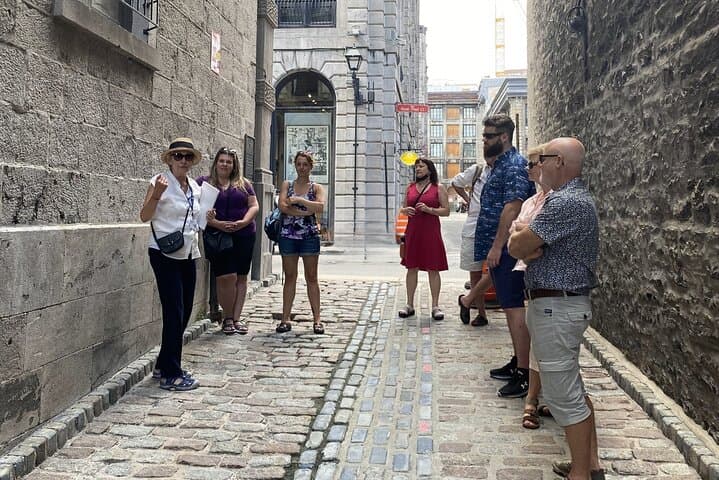
The tour’s tempo is deliberate: long highway stretches broken by several 20–90 minute stops for short walks, photos, and explanation from a local guide. Travelers can expect roughly 90 minutes each way from many Las Vegas hotels and a day of about 250–300 driving miles inside and around the park, depending on route and traffic. Physical demands are low—short walks over uneven ground and salt crusts—but the desert’s heat is the real variable.
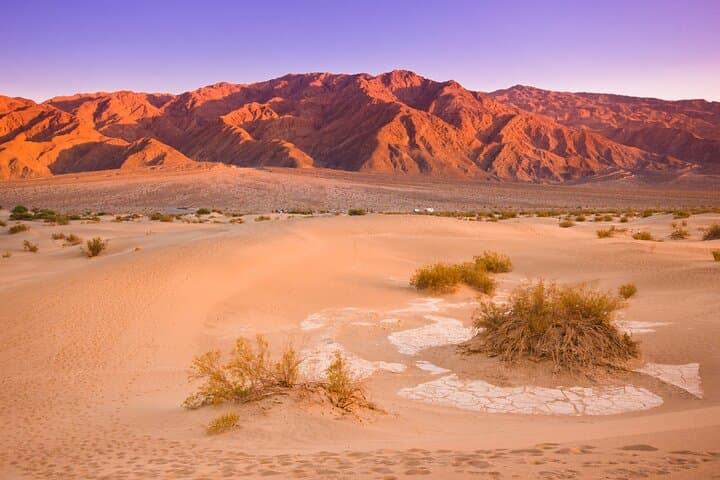
Plan with purpose. Visit early or late to avoid punishing midday sun; bring at least 2–3 liters of water per person, sun protection, and shoes with good grip for salt flats and shale. Leave extra time for the Mesquite Flat Sand Dunes and the Furnace Creek Visitor Center if you want interpretive context. Wildlife is skittish but present—desert bighorn may cruise ridgelines and kit foxes slip by at dusk. Respect signs and off-limit areas: cryptobiotic soils and salt pans recover slowly from disturbance.
For photographers and curious travelers alike, this private tour compresses the park’s high points into an accessible day—an organized way to read Death Valley’s raw chapters without the logistics of self-driving across hundreds of miles of road. With a seasoned guide, travelers leave more than snapshots; they leave with a clearer sense of how a place that can scorch at 115°F also holds alpine peaks and surprising life, all within the same national park.
easy.
11 hours.
Minimal fitness required—comfortable for most travelers who can handle short walks on uneven surfaces
Travel time from Las Vegas to the park entrance is roughly 90–120 minutes depending on pickup location and traffic; expect 11 hours for the full round-trip tour.
This private tour typically includes transportation and guiding; verify with the operator whether park entrance fees are included at booking.
Yes—minimum age is 7 years; families should prepare for long car time and bring extra water and sun protection for kids.
Avoid midday stops, carry ample water, wear sun-protective clothing, and notify the guide of any medical concerns—temperatures can exceed 115°F in summer.
No—Telescope Peak is a strenuous multi-hour hike above 11,000 ft and is not part of a single-day driving tour; it requires separate planning.
Facilities are limited—Furnace Creek has visitor services and restrooms; bring snacks and extra water as options are sparse between stops.
The valley’s industrial past is marked by borax mining and the Twenty Mule Team era; sites and place names recall that 19th–20th century extraction history.
Stay on marked roads and trails—cryptobiotic soils and salt crusts recover slowly; leave no trace and avoid disturbing historic artifacts.
taxiGo Limo Airport Service operates guided outdoor trips and adventures with an emphasis on safety, stewardship, and memorable experiences.

The van hums away from the neon of the Strip and the city’s glow thins to a horizon of hard light and long shadows. In two lanes of asphalt the Mojave reasserts itself: creosote bushes lean into wind, and distant ridgelines stack like pages of a weather-worn atlas. By the time the group pulls into Zabriskie Point, the desert has sharpened—every fold of badland and every flake of salt reads like a map of geological time.
The van hums away from the neon of the Strip and the city’s glow thins to a horizon of hard light and long shadows. In two lanes of asphalt the Mojave reasserts itself: creosote bushes lean into wind, and distant ridgelines stack like pages of a weather-worn atlas. By the time the group pulls into Zabriskie Point, the desert has sharpened—every fold of badland and every flake of salt reads like a map of geological time.
This private, full-day excursion from Las Vegas threads the core attractions of Death Valley National Park into an 11-hour loop: Zabriskie Point’s carved badlands, the spiky salt crust of Devil’s Golf Course, the chromatic outcrops at Artist’s Palette, and the otherworldly expanse of Badwater Basin, North America’s lowest point at 282 feet below sea level. The landscapes are written in salt, ash, and mineral oxides. Artists Palette glows because iron and manganese oxidized across volcanic deposits; the badlands owe their ridged faces to ancient lake beds and rapid erosion.
Human history here is compact but decisive. The park’s name reflects a harsh climate that drove early mineral extraction—borax miners and the Twenty Mule Team earned the valley its place in industrial lore. Zabriskie Point is named for a borax company executive, a reminder that industry and spectacle often arrived together.
The tour’s tempo is deliberate: long highway stretches broken by several 20–90 minute stops for short walks, photos, and explanation from a local guide. Travelers can expect roughly 90 minutes each way from many Las Vegas hotels and a day of about 250–300 driving miles inside and around the park, depending on route and traffic. Physical demands are low—short walks over uneven ground and salt crusts—but the desert’s heat is the real variable.
Plan with purpose. Visit early or late to avoid punishing midday sun; bring at least 2–3 liters of water per person, sun protection, and shoes with good grip for salt flats and shale. Leave extra time for the Mesquite Flat Sand Dunes and the Furnace Creek Visitor Center if you want interpretive context. Wildlife is skittish but present—desert bighorn may cruise ridgelines and kit foxes slip by at dusk. Respect signs and off-limit areas: cryptobiotic soils and salt pans recover slowly from disturbance.
For photographers and curious travelers alike, this private tour compresses the park’s high points into an accessible day—an organized way to read Death Valley’s raw chapters without the logistics of self-driving across hundreds of miles of road. With a seasoned guide, travelers leave more than snapshots; they leave with a clearer sense of how a place that can scorch at 115°F also holds alpine peaks and surprising life, all within the same national park.