THE ADVENTURE COLLECTIVE® · Independent discovery and booking for outdoor travel

Pair a guided walk through the frozen streets of Pompeii with a lively exploration of Naples in a single, full day from Rome. Expect volcanic vistas, archaeological detail, and a seafood-and-pizza finish along the Napolitan waterfront.
Pair a guided walk through the frozen streets of Pompeii with a lively exploration of Naples in a single, full day from Rome. Expect volcanic vistas, archaeological detail, and a seafood-and-pizza finish along the Napolitan waterfront.
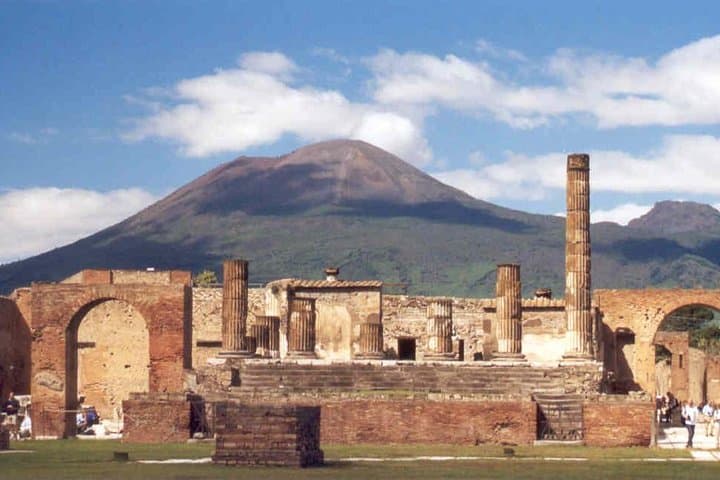
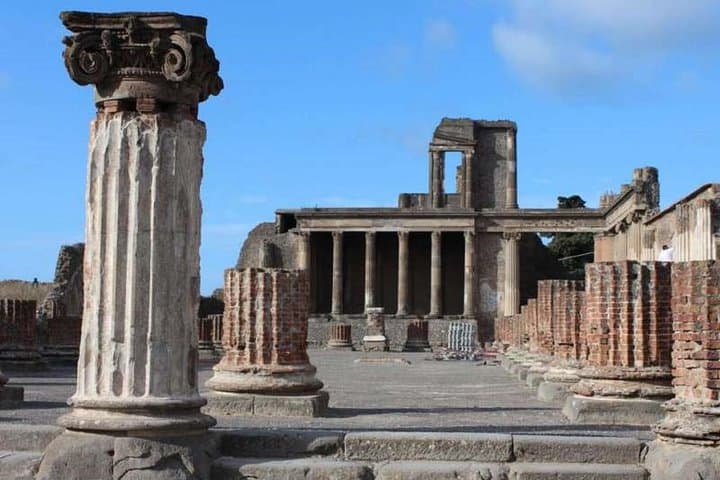
You step off the coach and the air smells of sea and dust; Sicily-blue skies press down and Mount Vesuvius broods across the gulf like a patient guard. The first hours unfold at Pompeii, a street-level time capsule where ash preserved mosaics, doorways and the shapes of human lives. Your guide moves confidently through the ruins—pointing to a threshold where a bronze cuff was found, pausing to show the faint reds of a fresco still holding its color. The city is quiet in a way modern places cannot be, its silence full of displaced voices.
Verified experiences and guided adventures in the surrounding area.
Operated by ROMAETRAVEL · Pompeii, Campania
You step off the coach and the air smells of sea and dust; Sicily-blue skies press down and Mount Vesuvius broods across the gulf like a patient guard. The first hours unfold at Pompeii, a street-level time capsule where ash preserved mosaics, doorways and the shapes of human lives. Your guide moves confidently through the ruins—pointing to a threshold where a bronze cuff was found, pausing to show the faint reds of a fresco still holding its color. The city is quiet in a way modern places cannot be, its silence full of displaced voices.
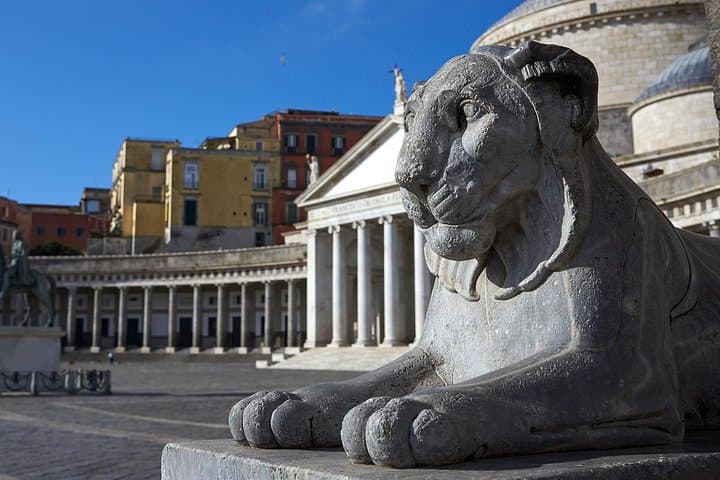
Pompeii sits on the southern slope of Vesuvius, buried beneath 13 to 20 feet of pumice and ash in AD 79. The eruption froze an everyday Roman city—bakeries with mills, bathhouses with heated floors, and villas open to the sky. Later, the day shifts to Naples, a layered city of Greek foundations, Roman overlays and Bourbon palaces. In Naples narrow alleys open suddenly onto piazzas where the sea slips into view and the scent of wood-fired pizza draws you toward a small, crowded pizzeria.
Geology is part of the story here: Vesuvius is still active, its volcanic soil feeding the citrus groves and vineyards on the slopes. Culture is immediate—Naples presents Baroque churches, the Spaccanapoli axis of street life, and artisans carving tiny nativity figures that echo the city’s craft traditions. The contrast between Pompeii’s silent stone and Naples’ raucous streets is the core of the day.
Practicalities are straightforward but matter. This is a full-day outing—expect pickup in Rome roughly 30–60 minutes before departure and a long day of walking at Pompeii; the archaeological park can cover 2–3 miles over uneven cobbles and ruins. Comfortable walking shoes, a hat and a refillable water bottle make the difference between enjoyment and fatigue. The tour includes an official guide at Pompeii, entry tickets and transportation; lunch is typically on your own in Naples so budget time for a proper pizza and a short stroll through the historic center.
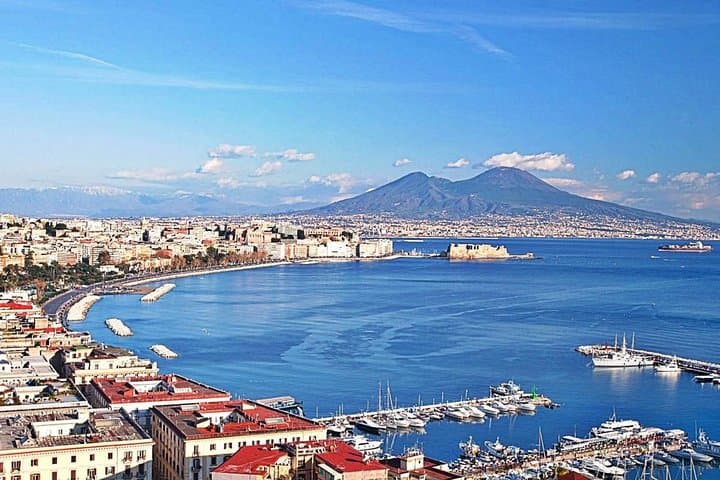
Timing is everything: morning at Pompeii avoids the biggest heat and crowds, while late afternoon in Naples gives softer light for photos and a livelier street scene. Respect the site—stay on marked paths and avoid touching fragile walls. If you want a quieter visit, ask about earlier departures; for photographers, the soft light along the Forum and the lungomare near Castel dell'Ovo offer dramatic frames.
By evening the coach slides back toward Rome, and the day’s impressions—volcanic power, domestic details preserved in ash, and the hum of Neapolitan streets—settle into something that feels like understanding. It’s not just sightseeing; it’s moving through layers of history that still shape how people live on this stretch of the Campanian coast.
easy.
10–12 hours.
Basic fitness required: comfortable walking for several hours and climbing short flights of stairs.
The tour runs about 12 hours total; you will be picked up in Rome approximately 30–60 minutes before the scheduled start and return the same evening.
Yes, the tour price includes entry to the Pompeii archaeological site and an official guide for the ruins portion.
Lunch is not included—there will be free time in Naples to sample pizza, seafood or street food at your own expense.
The tour is family-friendly, but parts of Pompeii have uneven ground and steps; infants and small children can use strollers in some areas, but a carrier may be easier for tight sections.
Yes—restrooms are available at the archaeological park and in Naples, though some may require a small fee or cash.
Provide special requirements at booking; the operator offers pickup from hotels within the Aurelian Walls and can advise on accessibility but many ruin areas have limited wheelchair access.
Pompeii was overwhelmed by the eruption of Vesuvius in AD 79, preserving domestic Roman life in ash; Naples grew from Greek and Roman roots into a medieval and Bourbon cultural center.
Pompeii faces wear from mass tourism—stay on marked paths, don’t touch frescoes, and support local guides who work with conservation teams.
ROMAETRAVEL operates guided outdoor trips and adventures with an emphasis on safety, stewardship, and memorable experiences.
You step off the coach and the air smells of sea and dust; Sicily-blue skies press down and Mount Vesuvius broods across the gulf like a patient guard. The first hours unfold at Pompeii, a street-level time capsule where ash preserved mosaics, doorways and the shapes of human lives. Your guide moves confidently through the ruins—pointing to a threshold where a bronze cuff was found, pausing to show the faint reds of a fresco still holding its color. The city is quiet in a way modern places cannot be, its silence full of displaced voices.
You step off the coach and the air smells of sea and dust; Sicily-blue skies press down and Mount Vesuvius broods across the gulf like a patient guard. The first hours unfold at Pompeii, a street-level time capsule where ash preserved mosaics, doorways and the shapes of human lives. Your guide moves confidently through the ruins—pointing to a threshold where a bronze cuff was found, pausing to show the faint reds of a fresco still holding its color. The city is quiet in a way modern places cannot be, its silence full of displaced voices.
Pompeii sits on the southern slope of Vesuvius, buried beneath 13 to 20 feet of pumice and ash in AD 79. The eruption froze an everyday Roman city—bakeries with mills, bathhouses with heated floors, and villas open to the sky. Later, the day shifts to Naples, a layered city of Greek foundations, Roman overlays and Bourbon palaces. In Naples narrow alleys open suddenly onto piazzas where the sea slips into view and the scent of wood-fired pizza draws you toward a small, crowded pizzeria.
Geology is part of the story here: Vesuvius is still active, its volcanic soil feeding the citrus groves and vineyards on the slopes. Culture is immediate—Naples presents Baroque churches, the Spaccanapoli axis of street life, and artisans carving tiny nativity figures that echo the city’s craft traditions. The contrast between Pompeii’s silent stone and Naples’ raucous streets is the core of the day.
Practicalities are straightforward but matter. This is a full-day outing—expect pickup in Rome roughly 30–60 minutes before departure and a long day of walking at Pompeii; the archaeological park can cover 2–3 miles over uneven cobbles and ruins. Comfortable walking shoes, a hat and a refillable water bottle make the difference between enjoyment and fatigue. The tour includes an official guide at Pompeii, entry tickets and transportation; lunch is typically on your own in Naples so budget time for a proper pizza and a short stroll through the historic center.
Timing is everything: morning at Pompeii avoids the biggest heat and crowds, while late afternoon in Naples gives softer light for photos and a livelier street scene. Respect the site—stay on marked paths and avoid touching fragile walls. If you want a quieter visit, ask about earlier departures; for photographers, the soft light along the Forum and the lungomare near Castel dell'Ovo offer dramatic frames.
By evening the coach slides back toward Rome, and the day’s impressions—volcanic power, domestic details preserved in ash, and the hum of Neapolitan streets—settle into something that feels like understanding. It’s not just sightseeing; it’s moving through layers of history that still shape how people live on this stretch of the Campanian coast.