THE ADVENTURE COLLECTIVE® · Independent discovery and booking for outdoor travel

A full-day escape from Marrakech to Ouzoud’s dramatic 110m waterfalls—where limestone canyons, olive groves and playful macaques meet steep stone trails and cool plunge pools. This guide covers the route, what to pack, and how to make the most of a day spent by the falls.
A full-day escape from Marrakech to Ouzoud’s dramatic 110m waterfalls—where limestone canyons, olive groves and playful macaques meet steep stone trails and cool plunge pools. This guide covers the route, what to pack, and how to make the most of a day spent by the falls.
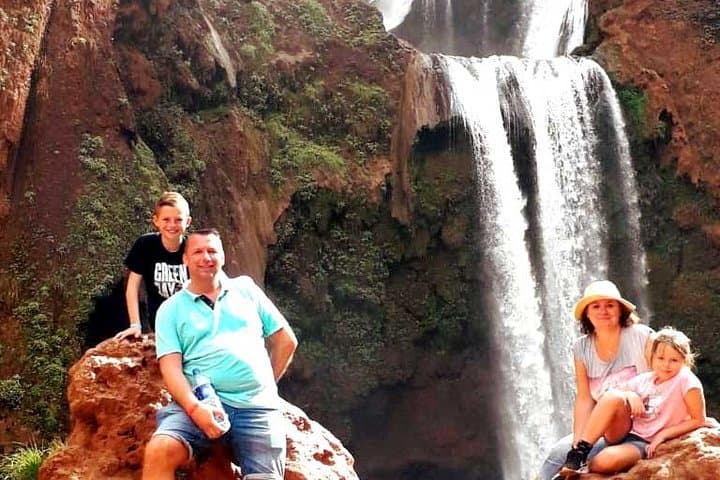
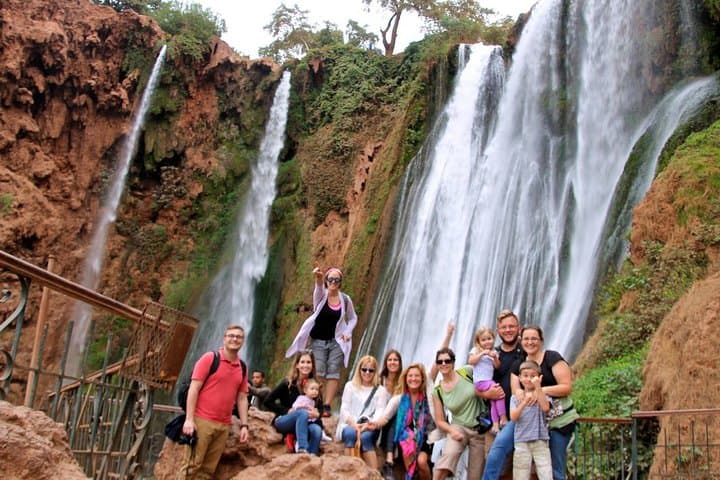
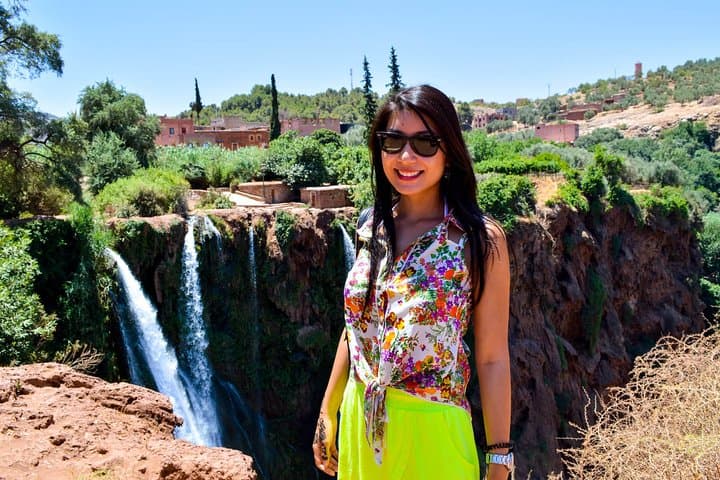
You step off the minibus onto a thin breath of spray and the world changes: green terraces fall away to a canyon, water thundering down in three great curtains until it finds the river below. Ouzoud’s 110-meter drop announces itself before you see it—white plumes, rainbows that ring the spray, and the chittering of macaques moving along the olive-slick rocks. The descent from the rim to the base pulls you through fig trees, stone terraces and small cafes that scent the air with mint tea and tajine.
Verified experiences and guided adventures in the surrounding area.
Operated by Marrakeh City Breaks · Ouzoud, Béni Mellal-Khénifra
You step off the minibus onto a thin breath of spray and the world changes: green terraces fall away to a canyon, water thundering down in three great curtains until it finds the river below. Ouzoud’s 110-meter drop announces itself before you see it—white plumes, rainbows that ring the spray, and the chittering of macaques moving along the olive-slick rocks. The descent from the rim to the base pulls you through fig trees, stone terraces and small cafes that scent the air with mint tea and tajine.
The falls sit on a rugged carpet of Miocene limestone carved by the El Abid River. Over millennia that current has cut terraces and plunge pools, and human hands have farmed the slopes—olive groves and orchards that feed the local villages. Historically the area was a meeting place on routes between the High Atlas and the plains; today it’s part natural spectacle, part working landscape where generations have adapted their fields to the canyon’s contours.
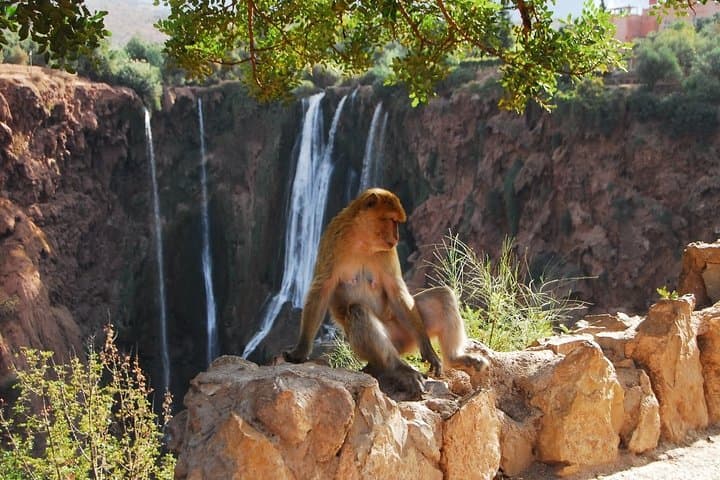
Culture here is informal and immediate. Local restaurateurs serve couscous and grilled trout while vendors sell bread and fresh orange juice. Barbary macaques—often called “monkeys” by visitors—move freely; they are charismatic but wild, and their presence has shaped local tourism. Small guesthouses in the nearby village provide an overnight option for travelers who want to linger after the afternoon light softens the cliffs.
Practical guidance: the drive from Marrakech is roughly 100 km and takes about 2.5 to 3 hours each way; expect a full-day excursion of 8–10 hours. Trails around the falls range from paved viewpoints to steep stone steps and narrow dirt paths; some routes to the canyon floor are steep and can be slippery after rain. Bring footwear with good grip, a swimsuit if you plan to paddle in the pools, and cash for small restaurants and tips—card acceptance is limited. Respect wildlife: do not feed the macaques, secure loose items, and keep a safe distance.
For hikers the rim walk gives panoramic views and light climbs among olive trees; more adventurous walkers can follow river paths downstream for quieter cascades and pools. Timing matters—arrive mid-morning to avoid the largest tour groups and to catch the light that throws rainbows through the mist.
This is an accessible, sensory day out from Marrakech: geological drama, active water, simple local food and a short network of trails that reward modest fitness with spectacular viewpoints and the chance to cool off in clear, mountain-fed water.
moderate.
8–10 hours.
Good for travelers with basic fitness; must be comfortable on uneven, steep trails and able to climb stairs.
Expect about 2.5–3 hours each way depending on traffic and stops—plan for a full-day trip (8–10 hours).
Yes—there are natural plunge pools suitable for paddling and swimming, though water is cool and currents can be unpredictable near the falls.
The village area and some viewpoints are family-friendly, but the descent to the base involves steep steps and uneven ground—not suitable for strollers.
Barbary macaques are common near the falls and often approach visitors; keep distance, don’t feed them, and secure belongings.
Meals are not included—there are multiple small restaurants near the falls serving Moroccan dishes; bring cash for payment.
Dress in layers with sun protection, wear shoes with good traction, and bring a swimsuit if you want to cool off in the pools.
Local agriculture and trail networks trace back centuries of mountain grazing and olive cultivation; the falls have long been a regional meeting point between Atlas valleys and the plains.
Tourism supports local livelihoods but can stress wildlife and trash systems—bring out what you bring in and avoid feeding animals to protect their health.
Marrakeh City Breaks operates guided outdoor trips and adventures with an emphasis on safety, stewardship, and memorable experiences.
You step off the minibus onto a thin breath of spray and the world changes: green terraces fall away to a canyon, water thundering down in three great curtains until it finds the river below. Ouzoud’s 110-meter drop announces itself before you see it—white plumes, rainbows that ring the spray, and the chittering of macaques moving along the olive-slick rocks. The descent from the rim to the base pulls you through fig trees, stone terraces and small cafes that scent the air with mint tea and tajine.
You step off the minibus onto a thin breath of spray and the world changes: green terraces fall away to a canyon, water thundering down in three great curtains until it finds the river below. Ouzoud’s 110-meter drop announces itself before you see it—white plumes, rainbows that ring the spray, and the chittering of macaques moving along the olive-slick rocks. The descent from the rim to the base pulls you through fig trees, stone terraces and small cafes that scent the air with mint tea and tajine.
The falls sit on a rugged carpet of Miocene limestone carved by the El Abid River. Over millennia that current has cut terraces and plunge pools, and human hands have farmed the slopes—olive groves and orchards that feed the local villages. Historically the area was a meeting place on routes between the High Atlas and the plains; today it’s part natural spectacle, part working landscape where generations have adapted their fields to the canyon’s contours.
Culture here is informal and immediate. Local restaurateurs serve couscous and grilled trout while vendors sell bread and fresh orange juice. Barbary macaques—often called “monkeys” by visitors—move freely; they are charismatic but wild, and their presence has shaped local tourism. Small guesthouses in the nearby village provide an overnight option for travelers who want to linger after the afternoon light softens the cliffs.
Practical guidance: the drive from Marrakech is roughly 100 km and takes about 2.5 to 3 hours each way; expect a full-day excursion of 8–10 hours. Trails around the falls range from paved viewpoints to steep stone steps and narrow dirt paths; some routes to the canyon floor are steep and can be slippery after rain. Bring footwear with good grip, a swimsuit if you plan to paddle in the pools, and cash for small restaurants and tips—card acceptance is limited. Respect wildlife: do not feed the macaques, secure loose items, and keep a safe distance.
For hikers the rim walk gives panoramic views and light climbs among olive trees; more adventurous walkers can follow river paths downstream for quieter cascades and pools. Timing matters—arrive mid-morning to avoid the largest tour groups and to catch the light that throws rainbows through the mist.
This is an accessible, sensory day out from Marrakech: geological drama, active water, simple local food and a short network of trails that reward modest fitness with spectacular viewpoints and the chance to cool off in clear, mountain-fed water.