THE ADVENTURE COLLECTIVE® · Independent discovery and booking for outdoor travel

Escape Salvador for a day and find yourself on an island where a lighthouse, five beaches and warm Atlantic water set the schedule. This guided day trip combines ferry, bus and speedboat transfers with about four hours to explore Morro de São Paulo’s best beaches and viewpoints.
Escape Salvador for a day and find yourself on an island where a lighthouse, five beaches and warm Atlantic water set the schedule. This guided day trip combines ferry, bus and speedboat transfers with about four hours to explore Morro de São Paulo’s best beaches and viewpoints.
The ferry slides away from Salvador’s pier and the city’s heat peels off as the open sea takes the strain. After an hour crossing to Itaparica and a bus ride to Valença, a speedboat cuts the last stretch of water and Morro de São Paulo appears: a compact village backed by coconut palms, a squat lighthouse on the headland, and five beaches arranged like chapters along a curved shore.
Verified experiences and guided adventures in the surrounding area.
Operated by Gray Line Brazil · Morro de São Paulo, Bahia
The ferry slides away from Salvador’s pier and the city’s heat peels off as the open sea takes the strain. After an hour crossing to Itaparica and a bus ride to Valença, a speedboat cuts the last stretch of water and Morro de São Paulo appears: a compact village backed by coconut palms, a squat lighthouse on the headland, and five beaches arranged like chapters along a curved shore.
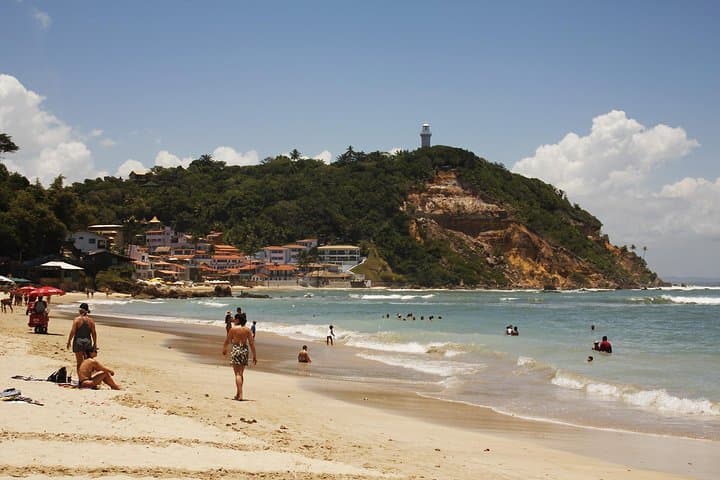
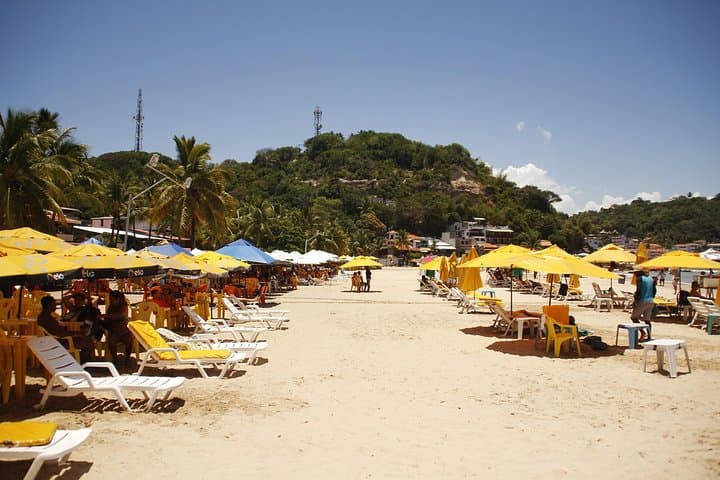
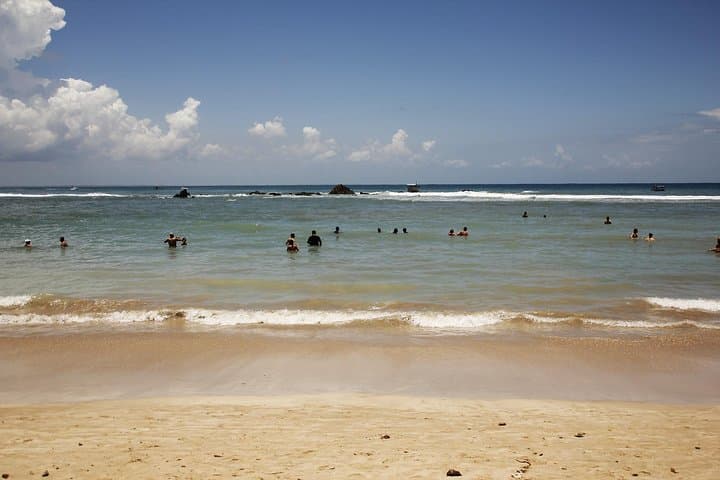
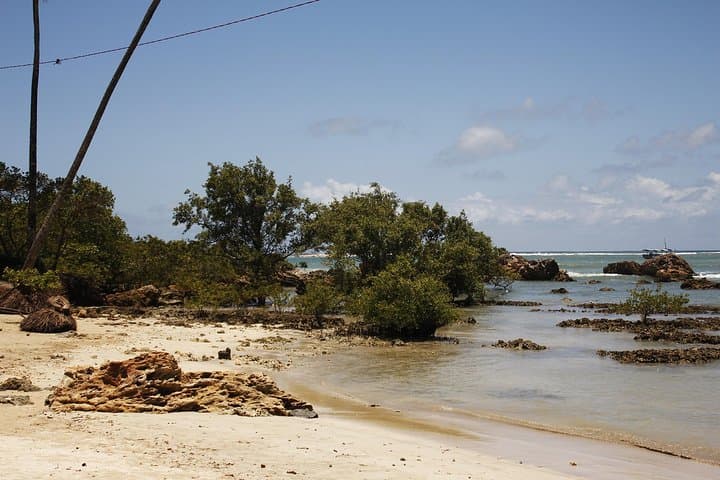
Arriving here on a full-day excursion feels like stepping into a different tempo. The first beach greets visitors with soft sand and beach bars; the second is the social spine where kiosks and hammocks claim the sand; further down, third, fourth and fifth beaches offer quieter coves and tide pools. The lighthouse—Peroba Lighthouse—perches above the first beach and provides the clearest perspective on the island’s geological story: low coastal ridges of Pleistocene sand and older sedimentary rock shaped by tides and long Atlantic swells.
Morro’s human story runs parallel to that geology. Originally a strategic outpost during Portuguese colonial expansion, the island later evolved into a fishing and sugar-cane support node before tourism reshaped its economy in the late 20th century. Local culture is overtly Bahian—Afro-Brazilian rhythms, seafood-forward cuisine and an easy-going pace that resists urban urgency.
For travelers the day trip is straightforward: morning pickup in Salvador, ferry to Itaparica, bus transfer to Valença, and a final speedboat hop to Morro. The operator allows about four hours on the island—enough time to hit two beaches, climb to the lighthouse, and squeeze in a caipirinha before the return.
Practicality is part of the island’s charm. Expect sand between toes rather than pavement underfoot; wear reef shoes or sandals for the rocky tide pools. Bring sunscreen, swimwear, a towel and small bills—many kiosks prefer cash. If you plan optional extras—zip line from the lighthouse, boat trips to nearby natural pools, or paid entrances—budget for those separately. Keep an eye on ferry times: schedules depend on tides and seasonal demand, so reconfirm pickup and return windows with the operator 48 hours before departure.
Health and safety are simple: stay hydrated in the sun, watch for slippery stones around tide pools, and respect local signs at swim spots. The day trip is designed to be accessible—suitable for most fitness levels—but it moves fast; if you want to linger, consider an overnight stay.
Morro de São Paulo rewards quick visits with concentrated seaside pleasure and rewards slower stays with a deeper look at Bahian culture, food and shoreline habitats. For a city break from Salvador, it’s the kind of island that refuses to be hurried—and might convince you to come back.
easy.
10 hours total (approx. 4 hours on island).
Suitable for most fitness levels; expect short climbs (lighthouse) and walking on sand
Total door-to-door time is about 10 hours including transfers; ferry and speedboat legs take several hours combined, with roughly four hours allocated on the island.
No—meals and optional activities like the zip line or boat excursions are not included; bring cash or cards for beach kiosks.
Yes—the tour is rated easy and accessible for most ages, but note the boat transfers and some uneven walking on sand and stairs to the lighthouse.
Yes—contact the operator 48 hours before departure to confirm pickup location and exact departure time.
Guides often speak Portuguese and may offer basic English; check with the operator if you require other languages.
The organized day trip returns the same day, but you can arrange with local providers to stay overnight—book accommodation ahead in high season.
The island was a strategic outpost during Portuguese colonial times and later shifted from small-scale fishing and sugar-cane support to tourism in the 20th century.
Visitors should avoid leaving waste on beaches and use reef-safe sunscreen to protect local coral and marine life; supporting local businesses helps sustain community-led conservation efforts.
Gray Line Brazil operates guided outdoor trips and adventures with an emphasis on safety, stewardship, and memorable experiences.
The ferry slides away from Salvador’s pier and the city’s heat peels off as the open sea takes the strain. After an hour crossing to Itaparica and a bus ride to Valença, a speedboat cuts the last stretch of water and Morro de São Paulo appears: a compact village backed by coconut palms, a squat lighthouse on the headland, and five beaches arranged like chapters along a curved shore.
The ferry slides away from Salvador’s pier and the city’s heat peels off as the open sea takes the strain. After an hour crossing to Itaparica and a bus ride to Valença, a speedboat cuts the last stretch of water and Morro de São Paulo appears: a compact village backed by coconut palms, a squat lighthouse on the headland, and five beaches arranged like chapters along a curved shore.
Arriving here on a full-day excursion feels like stepping into a different tempo. The first beach greets visitors with soft sand and beach bars; the second is the social spine where kiosks and hammocks claim the sand; further down, third, fourth and fifth beaches offer quieter coves and tide pools. The lighthouse—Peroba Lighthouse—perches above the first beach and provides the clearest perspective on the island’s geological story: low coastal ridges of Pleistocene sand and older sedimentary rock shaped by tides and long Atlantic swells.
Morro’s human story runs parallel to that geology. Originally a strategic outpost during Portuguese colonial expansion, the island later evolved into a fishing and sugar-cane support node before tourism reshaped its economy in the late 20th century. Local culture is overtly Bahian—Afro-Brazilian rhythms, seafood-forward cuisine and an easy-going pace that resists urban urgency.
For travelers the day trip is straightforward: morning pickup in Salvador, ferry to Itaparica, bus transfer to Valença, and a final speedboat hop to Morro. The operator allows about four hours on the island—enough time to hit two beaches, climb to the lighthouse, and squeeze in a caipirinha before the return.
Practicality is part of the island’s charm. Expect sand between toes rather than pavement underfoot; wear reef shoes or sandals for the rocky tide pools. Bring sunscreen, swimwear, a towel and small bills—many kiosks prefer cash. If you plan optional extras—zip line from the lighthouse, boat trips to nearby natural pools, or paid entrances—budget for those separately. Keep an eye on ferry times: schedules depend on tides and seasonal demand, so reconfirm pickup and return windows with the operator 48 hours before departure.
Health and safety are simple: stay hydrated in the sun, watch for slippery stones around tide pools, and respect local signs at swim spots. The day trip is designed to be accessible—suitable for most fitness levels—but it moves fast; if you want to linger, consider an overnight stay.
Morro de São Paulo rewards quick visits with concentrated seaside pleasure and rewards slower stays with a deeper look at Bahian culture, food and shoreline habitats. For a city break from Salvador, it’s the kind of island that refuses to be hurried—and might convince you to come back.