THE ADVENTURE COLLECTIVE® · Independent discovery and booking for outdoor travel

A full-day coach tour from Edinburgh that threads Loch Lomond, Kilchurn Castle on Loch Awe, Oban's seafood harbor, and the Georgian town of Inveraray. Expect dramatic lochside views, short walks on uneven castle grounds, and a deep dive into Argyll clan history.
A full-day coach tour from Edinburgh that threads Loch Lomond, Kilchurn Castle on Loch Awe, Oban's seafood harbor, and the Georgian town of Inveraray. Expect dramatic lochside views, short walks on uneven castle grounds, and a deep dive into Argyll clan history.
You stand in front of the Old Fishmarket Close as the minivan hums awake, Edinburgh's stone heat still clinging to the cobbles. The city recedes and the road heads west, folding into the low hills that guard Loch Lomond. By the time the tour reaches Luss the loch opens like a cold mirror daring you to look deeper; cottages line the shore and the water seems to inhale and exhale with the wind.
Verified experiences and guided adventures in the surrounding area.
Operated by ViajarPorEscocia.com · Oban, Argyll and Bute
You stand in front of the Old Fishmarket Close as the minivan hums awake, Edinburgh's stone heat still clinging to the cobbles. The city recedes and the road heads west, folding into the low hills that guard Loch Lomond. By the time the tour reaches Luss the loch opens like a cold mirror daring you to look deeper; cottages line the shore and the water seems to inhale and exhale with the wind.
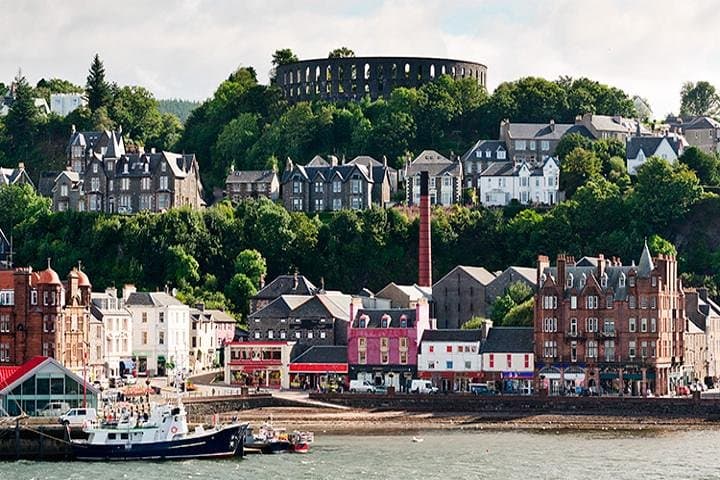
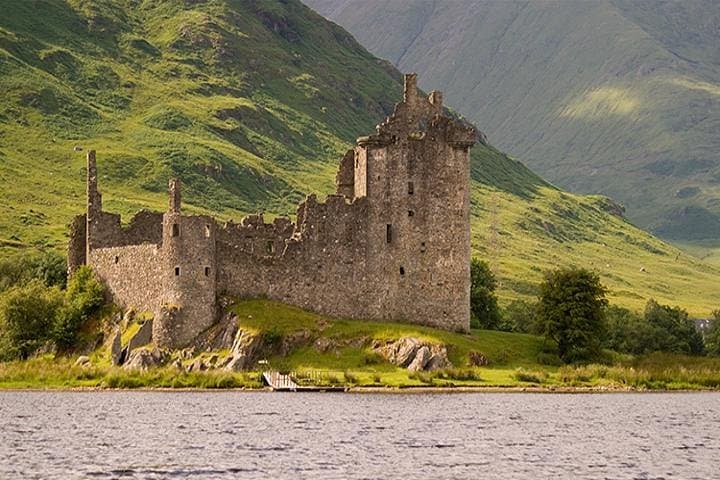
The route follows glacial scars—long, narrow lochs carved by ice—and each pull-in is a page from Scotland's geological history. Kilchurn Castle sits at the edge of Loch Awe, its ruined silhouette poised like an old watchman over the water. Built in the 15th century by the Campbells, the castle is less a monument than a weathered storyteller: stair turrets leaning, stone softened by rain and lichen. Oban arrives later as a contrast, a working harbor with tight alleys and a seafood market that smells like the sea itself. Inveraray closes the loop with Georgian lines and the ducal presence of the Argyll family, whose history threads through clan politics and maritime trade.
This is a cultural tour as much as a scenic one. Guides point out clan land boundaries, explain how the Highland Clearances reshaped these coasts, and note Gaelic place names that describe the landscape with economy and feeling. Geology and history collide in the long views: ridges and ridgelines tell you where glaciers stopped; towns tell you who settled and why.
Practical side: the full circuit runs roughly 12 hours from Edinburgh, with several short on-foot stops and a longer visit at Oban. Walking at castles involves uneven stone and simple trails; expect mild footing challenges but nothing technical. Roads are mostly paved and the minivan provides a warm, dry corridor when weather turns. Bring layered waterproofs, sturdy shoes, and a small daypack for snacks, water, and camera gear. If seas are rough, expect a brisk wind on exposed shorelines and dress accordingly.
Timing matters. Light in late afternoon sculpts castle walls; morning is quieter at Luss. The tour is family friendly and accessible to most fitness levels, but if you need mobility assistance notify the operator when booking. Support local businesses: buy a crab roll in Oban or a shortbread from a Inveraray shop to keep money in small coastal economies.
In short, the tour packs geology, clan history, and coastal life into one long, readable day. You leave with photographs of ruined towers and loch light, names that stick in the throat, and a clearer sense of why this fringe of Scotland still holds its mystery.
easy.
12 hours.
Suitable for most fitness levels; involves short, mostly low-impact walks with some uneven terrain at castle sites.
The meeting point is in front of Old Fishmarket Close on the Royal Mile in Edinburgh; the return ends at a nearby central Edinburgh drop-off.
This tour does not include admission fees; stops give time to view and photograph sites externally and to purchase entry where desired.
Yes, the operator notes stroller accessibility for infants and small children, though some castle approaches have steps or uneven ground.
The tour may be canceled if weather makes travel unsafe; a full refund is available if canceled at least 24 hours before departure.
Yes, stops include towns and visitor facilities with restrooms; the coach also takes scheduled comfort breaks.
Special requirements can be submitted when booking; notify the operator in advance to arrange access and seating.
Kilchurn dates to the 15th century and was an important Campbell stronghold; Inveraray is historically linked to the Dukes of Argyll and the Clan Campbell.
Visitors should stay on marked paths and support local businesses; fragile shoreline and castle vegetation recover slowly from heavy foot traffic.
ViajarPorEscocia.com operates guided outdoor trips and adventures with an emphasis on safety, stewardship, and memorable experiences.
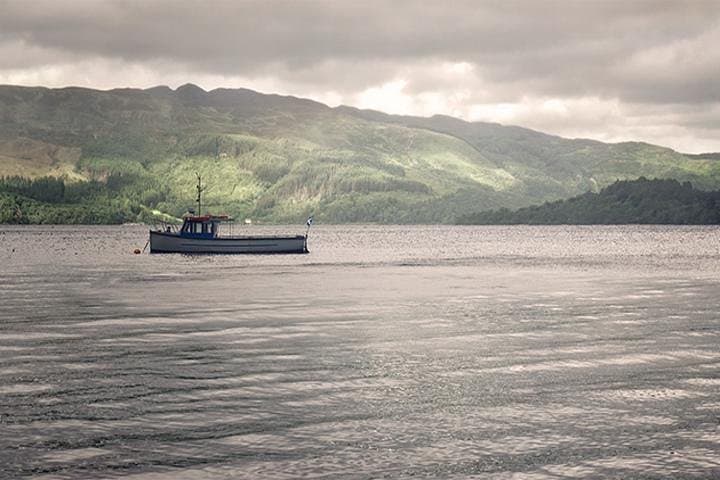
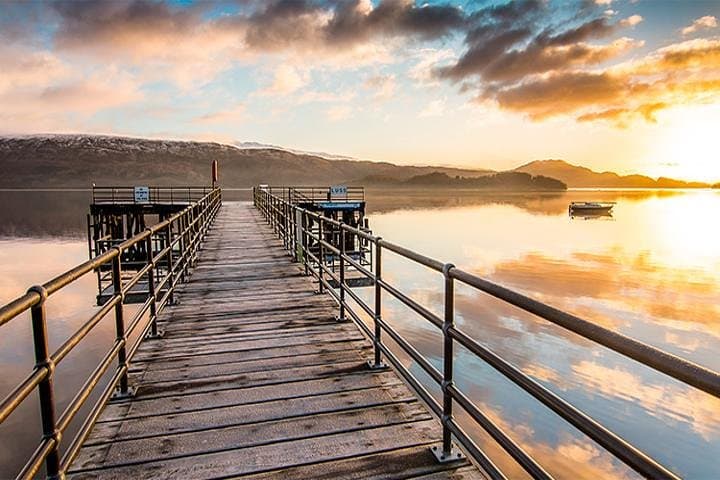
You stand in front of the Old Fishmarket Close as the minivan hums awake, Edinburgh's stone heat still clinging to the cobbles. The city recedes and the road heads west, folding into the low hills that guard Loch Lomond. By the time the tour reaches Luss the loch opens like a cold mirror daring you to look deeper; cottages line the shore and the water seems to inhale and exhale with the wind.
You stand in front of the Old Fishmarket Close as the minivan hums awake, Edinburgh's stone heat still clinging to the cobbles. The city recedes and the road heads west, folding into the low hills that guard Loch Lomond. By the time the tour reaches Luss the loch opens like a cold mirror daring you to look deeper; cottages line the shore and the water seems to inhale and exhale with the wind.
The route follows glacial scars—long, narrow lochs carved by ice—and each pull-in is a page from Scotland's geological history. Kilchurn Castle sits at the edge of Loch Awe, its ruined silhouette poised like an old watchman over the water. Built in the 15th century by the Campbells, the castle is less a monument than a weathered storyteller: stair turrets leaning, stone softened by rain and lichen. Oban arrives later as a contrast, a working harbor with tight alleys and a seafood market that smells like the sea itself. Inveraray closes the loop with Georgian lines and the ducal presence of the Argyll family, whose history threads through clan politics and maritime trade.
This is a cultural tour as much as a scenic one. Guides point out clan land boundaries, explain how the Highland Clearances reshaped these coasts, and note Gaelic place names that describe the landscape with economy and feeling. Geology and history collide in the long views: ridges and ridgelines tell you where glaciers stopped; towns tell you who settled and why.
Practical side: the full circuit runs roughly 12 hours from Edinburgh, with several short on-foot stops and a longer visit at Oban. Walking at castles involves uneven stone and simple trails; expect mild footing challenges but nothing technical. Roads are mostly paved and the minivan provides a warm, dry corridor when weather turns. Bring layered waterproofs, sturdy shoes, and a small daypack for snacks, water, and camera gear. If seas are rough, expect a brisk wind on exposed shorelines and dress accordingly.
Timing matters. Light in late afternoon sculpts castle walls; morning is quieter at Luss. The tour is family friendly and accessible to most fitness levels, but if you need mobility assistance notify the operator when booking. Support local businesses: buy a crab roll in Oban or a shortbread from a Inveraray shop to keep money in small coastal economies.
In short, the tour packs geology, clan history, and coastal life into one long, readable day. You leave with photographs of ruined towers and loch light, names that stick in the throat, and a clearer sense of why this fringe of Scotland still holds its mystery.