THE ADVENTURE COLLECTIVE® · Independent discovery and booking for outdoor travel

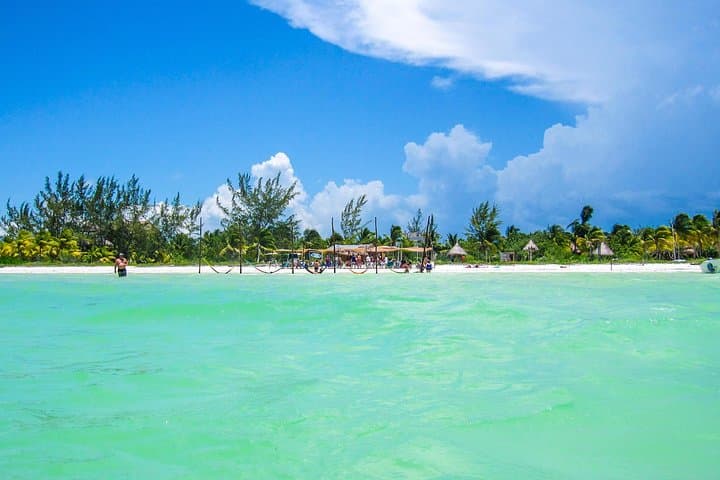
Escape the mainland for a full-day voyage to Isla Holbox: shallow turquoise flats, bird-rich sandbars, and a relaxed seaside village. This guided tour from Playa del Carmen includes boat transfers, lunch, and several wildlife-rich stops—ideal for travelers who want a taste of Holbox in one seamless day.
Escape the mainland for a full-day voyage to Isla Holbox: shallow turquoise flats, bird-rich sandbars, and a relaxed seaside village. This guided tour from Playa del Carmen includes boat transfers, lunch, and several wildlife-rich stops—ideal for travelers who want a taste of Holbox in one seamless day.
By dawn the minivan threads out of Playa del Carmen, headlights cutting through the damp air as the guide sketches the day ahead. The road to Chiquilá is a gentle undoing of the mainland—miles of low scrub and salt flats give way to a narrow pier, where a skiff waits and the sea seems to breathe. Within an hour the water takes the lead: turquoise flats stretch like a shallow map, and the boat leans into tidal patterns that will dictate the rhythm of the day.
Verified experiences and guided adventures in the surrounding area.
Operated by Yalku Tours · Isla Holbox, Quintana Roo
By dawn the minivan threads out of Playa del Carmen, headlights cutting through the damp air as the guide sketches the day ahead. The road to Chiquilá is a gentle undoing of the mainland—miles of low scrub and salt flats give way to a narrow pier, where a skiff waits and the sea seems to breathe. Within an hour the water takes the lead: turquoise flats stretch like a shallow map, and the boat leans into tidal patterns that will dictate the rhythm of the day.
Isla Holbox sits on the edge of the Yucatán’s Great Mayan Reef system and its story is geological as much as human. The island is part of an alluvial spit formed from currents and coral rubble—the result is long, powder beaches and shoals so shallow you can wade through a pale ocean without noticing the horizon move. For centuries the area was an outpost for fishermen and a crossroads for migratory birds; the town retains that low-slung, practical character. Locals still earn a living from lobster and the seasonal bounty of whale sharks, while restaurants specialize in ceviche, grilled fish, and lime-forward Yucatecan flavors.
The tour moves in stages. After a 90–120 minute drive from Playa del Carmen you board the boat to Punta Mosquito, a ribbon of sand where birds choreograph the sky and the water dares you to step in. Next, a brief stop at Isla de la Pasión offers a vantage for photographing broad lagoons and skeletal mangroves. The longest pause—roughly three hours—happens in Holbox village and its shoreline: a chance to walk the main beach, eat lunch (included), and discover shallow channels where rays and juvenile fish navigate the warm shallows. Guides point out flamingos, pelicans, and, in season, the slow procession of whale sharks just beyond the breakers (May to September).
Practicalities matter on a day like this. This is a full-day excursion—roughly 12 hours total—with hotel pickup around 7:00 AM and return in the evening. The terrain is flat: expect sand, boardwalks, and short boat transfers; elevation gain is negligible. Bring cash for tips and small purchases; many vendors on Holbox prefer pesos. Sunscreen is essential—opt for biodegradable varieties to protect reef life. Wear sturdy sandals or water shoes for rocky or shell-strewn spots, and a hat with a strap; wind can turn a loose cap into a souvenir.
For travelers seeking wildlife without the logistics of an overnight, this tour is compact and calibrated: bottled water, lunch, guide, and transport included. It’s a day spent with the tide as your clock and seabirds as companions—simple, restorative, and insistently marine.
moderate.
12 hours (full day).
Suitable for travelers who can tolerate long days, short boat transfers, and walking on sand for several hours.
Pickup is typically around 7:00 AM from Playa del Carmen-area hotels and the group returns in the evening—expect roughly a 12-hour excursion.
Lunch is included with options like chicken, fish, or meat; let the operator know dietary needs at booking so they can accommodate when possible.
Whale sharks are seasonal (roughly May–September) and sightings are not guaranteed on a day tour; dedicated whale shark excursions increase chances.
Yes—logistics note it's suitable for all fitness levels, but children must be accompanied by an adult and those with spinal issues should exercise caution.
Bring pesos for tips, snacks, souvenirs, and optional extras—many small vendors do not accept cards.
Transport includes an air-conditioned minivan and short boat rides; weather and sea conditions can affect comfort, so dress in layers.
Holbox was traditionally a fishing and boat-building community; its isolation preserved both biodiversity and a slower coastal way of life until tourism grew in recent decades.
The island operates within sensitive marine corridors—visitors are encouraged to follow guidelines for wildlife interactions, use reef-safe products, and limit single-use plastics.
Yalku Tours operates guided outdoor trips and adventures with an emphasis on safety, stewardship, and memorable experiences.
By dawn the minivan threads out of Playa del Carmen, headlights cutting through the damp air as the guide sketches the day ahead. The road to Chiquilá is a gentle undoing of the mainland—miles of low scrub and salt flats give way to a narrow pier, where a skiff waits and the sea seems to breathe. Within an hour the water takes the lead: turquoise flats stretch like a shallow map, and the boat leans into tidal patterns that will dictate the rhythm of the day.
By dawn the minivan threads out of Playa del Carmen, headlights cutting through the damp air as the guide sketches the day ahead. The road to Chiquilá is a gentle undoing of the mainland—miles of low scrub and salt flats give way to a narrow pier, where a skiff waits and the sea seems to breathe. Within an hour the water takes the lead: turquoise flats stretch like a shallow map, and the boat leans into tidal patterns that will dictate the rhythm of the day.
Isla Holbox sits on the edge of the Yucatán’s Great Mayan Reef system and its story is geological as much as human. The island is part of an alluvial spit formed from currents and coral rubble—the result is long, powder beaches and shoals so shallow you can wade through a pale ocean without noticing the horizon move. For centuries the area was an outpost for fishermen and a crossroads for migratory birds; the town retains that low-slung, practical character. Locals still earn a living from lobster and the seasonal bounty of whale sharks, while restaurants specialize in ceviche, grilled fish, and lime-forward Yucatecan flavors.
The tour moves in stages. After a 90–120 minute drive from Playa del Carmen you board the boat to Punta Mosquito, a ribbon of sand where birds choreograph the sky and the water dares you to step in. Next, a brief stop at Isla de la Pasión offers a vantage for photographing broad lagoons and skeletal mangroves. The longest pause—roughly three hours—happens in Holbox village and its shoreline: a chance to walk the main beach, eat lunch (included), and discover shallow channels where rays and juvenile fish navigate the warm shallows. Guides point out flamingos, pelicans, and, in season, the slow procession of whale sharks just beyond the breakers (May to September).
Practicalities matter on a day like this. This is a full-day excursion—roughly 12 hours total—with hotel pickup around 7:00 AM and return in the evening. The terrain is flat: expect sand, boardwalks, and short boat transfers; elevation gain is negligible. Bring cash for tips and small purchases; many vendors on Holbox prefer pesos. Sunscreen is essential—opt for biodegradable varieties to protect reef life. Wear sturdy sandals or water shoes for rocky or shell-strewn spots, and a hat with a strap; wind can turn a loose cap into a souvenir.
For travelers seeking wildlife without the logistics of an overnight, this tour is compact and calibrated: bottled water, lunch, guide, and transport included. It’s a day spent with the tide as your clock and seabirds as companions—simple, restorative, and insistently marine.