THE ADVENTURE COLLECTIVE® · Independent discovery and booking for outdoor travel

A curated day trip from Cancún that pairs a vibrant reef snorkel at Arrecife Ixlaché with an exclusive guided visit to Isla Contoy, one of the Mexican Caribbean’s most strictly protected bird sanctuaries. Expect clear water, light walking on white sand, and strict conservation rules that keep the island pristine.
A curated day trip from Cancún that pairs a vibrant reef snorkel at Arrecife Ixlaché with an exclusive guided visit to Isla Contoy, one of the Mexican Caribbean’s most strictly protected bird sanctuaries. Expect clear water, light walking on white sand, and strict conservation rules that keep the island pristine.
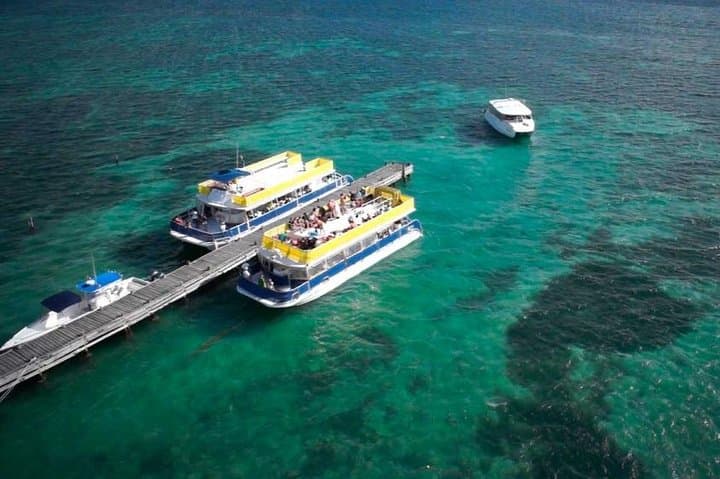
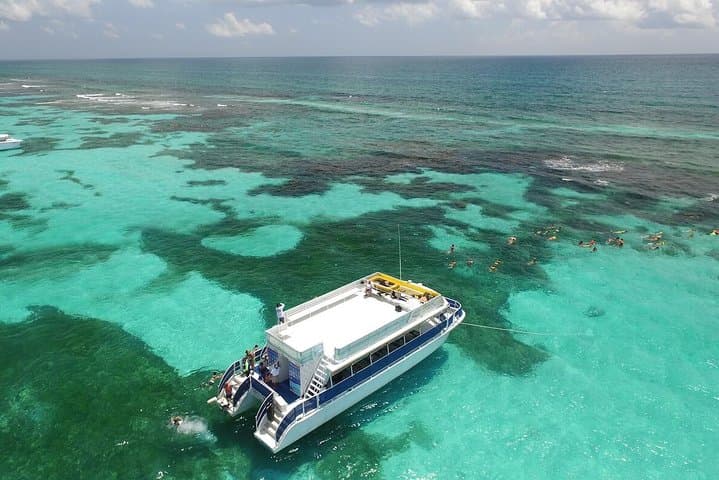
The catamaran slips away from Punta Sam while the hotel skyline of Cancún shrinks into a low, shimmering line. Salt stings the air and the sea opens into a band of turquoise so clear you can count the waves’ shadows on the sand below. By the time the crew drops anchor at Arrecife Ixlaché, the water is an aquarium—parrotfish and sergeant majors drift through columned coral as the first snorkel masks break the surface.
Verified experiences and guided adventures in the surrounding area.
Operated by Stap Travel · Cancún, Quintana Roo
The catamaran slips away from Punta Sam while the hotel skyline of Cancún shrinks into a low, shimmering line. Salt stings the air and the sea opens into a band of turquoise so clear you can count the waves’ shadows on the sand below. By the time the crew drops anchor at Arrecife Ixlaché, the water is an aquarium—parrotfish and sergeant majors drift through columned coral as the first snorkel masks break the surface.
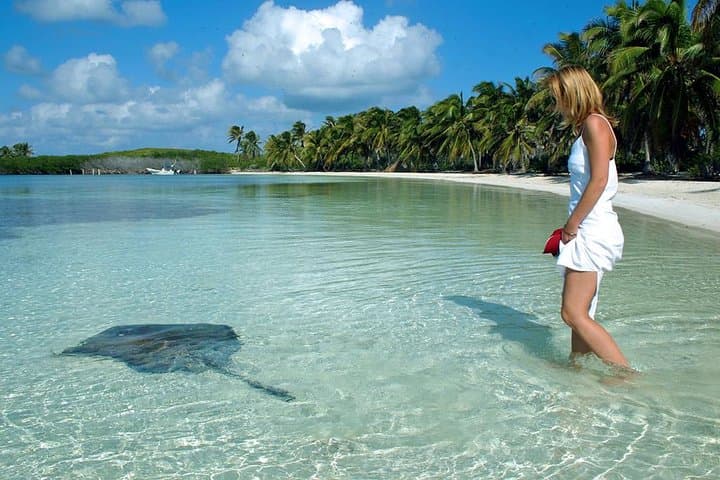
This is a day built around two distinct worlds: the reef and an island that refuses crowds. Isla Contoy permits just 200 visitors daily, a hard boundary that keeps its white beaches and mangrove groves largely intact. Geologically it’s a coral cay, a sand-and-skeleton island formed by centuries of reef growth and windblown sand. Ecologically it functions as both nursery and waypoint—sea turtles nest here and migratory birds stage during winter.
The island has been protected for decades; authorities and local conservation groups manage nesting seasons and visitor access to minimize disturbance. Local fishers and island stewards balance cultural ties to the sea with conservation rules, and the day tour’s certified guide explains nesting signs, points out frigatebirds on thermal watch and clarifies the rules: stay on marked paths, keep noise low, and pack out what you bring in.
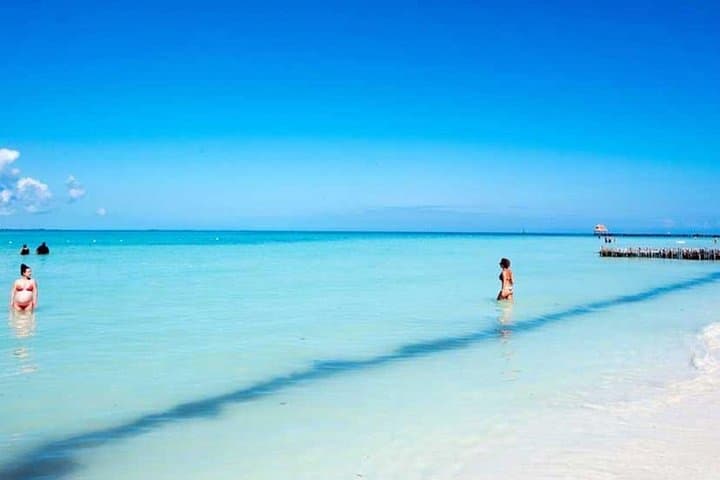
After a guided walk across pale sand that seems to absorb the sun, the buffet—focused on regional flavors—feels appropriate: citrusy ceviche, grilled fish and simple salads that refuel rather than weigh you down. A second snorkel from shore reveals shallow coral gardens and brittle stars; the water temp ranges from comfortably warm to refreshingly cool depending on the season.
Practical edge: the tour is a full day—expect about nine hours with round-trip transport from Cancún or Playa del Carmen. There’s a USD 20 dock fee payable at check-in. Snorkeling gear is provided, as is an open national bar, but bring reef-safe sunscreen, a wide-brim hat and a light wind layer for the return trip.
For photographers, morning light skimming the reef and late-afternoon backlight over Isla Mujeres make the best shots. For wildlife seekers, keep binoculars handy: masked boobies and brown pelicans patrol the shoreline; if you’re here in winter, migratory shorebirds ramp up the action.
Timing matters: morning departures beat the midday crowds, and low winds yield the best visibility on the reef. Respect the island’s protections and you leave with more than photos—you get a quiet, well-managed slice of the Caribbean that still feels wild.
easy.
9 hours.
Suitable for travelers in average physical condition; involves short guided walks on sand and two snorkel stops.
The full excursion runs approximately nine hours from hotel pickup to return to Punta Sam.
No prior snorkeling experience is required; basic instruction is provided and equipment is included.
Children are allowed; infants (0–11 months) pay a transport fee and minors have a reduced rate—confirm during booking.
The tour involves sand walking and some boarding ladders; it’s not recommended for travelers with serious spinal or mobility issues.
This operator lists sales as final; confirm pickup details and weather policies with the supplier before booking and arrive early for check-in.
Isla Contoy has long been recognized by Mexican authorities and conservation groups for its importance as a nesting and migratory stop, and visitor numbers are strictly limited to protect wildlife.
The park enforces a daily visitor cap and marked trails; visitors are required to follow rules to protect nesting birds and coral, and single-use plastics are discouraged.
Stap Travel operates guided outdoor trips and adventures with an emphasis on safety, stewardship, and memorable experiences.
The catamaran slips away from Punta Sam while the hotel skyline of Cancún shrinks into a low, shimmering line. Salt stings the air and the sea opens into a band of turquoise so clear you can count the waves’ shadows on the sand below. By the time the crew drops anchor at Arrecife Ixlaché, the water is an aquarium—parrotfish and sergeant majors drift through columned coral as the first snorkel masks break the surface.
The catamaran slips away from Punta Sam while the hotel skyline of Cancún shrinks into a low, shimmering line. Salt stings the air and the sea opens into a band of turquoise so clear you can count the waves’ shadows on the sand below. By the time the crew drops anchor at Arrecife Ixlaché, the water is an aquarium—parrotfish and sergeant majors drift through columned coral as the first snorkel masks break the surface.
This is a day built around two distinct worlds: the reef and an island that refuses crowds. Isla Contoy permits just 200 visitors daily, a hard boundary that keeps its white beaches and mangrove groves largely intact. Geologically it’s a coral cay, a sand-and-skeleton island formed by centuries of reef growth and windblown sand. Ecologically it functions as both nursery and waypoint—sea turtles nest here and migratory birds stage during winter.
The island has been protected for decades; authorities and local conservation groups manage nesting seasons and visitor access to minimize disturbance. Local fishers and island stewards balance cultural ties to the sea with conservation rules, and the day tour’s certified guide explains nesting signs, points out frigatebirds on thermal watch and clarifies the rules: stay on marked paths, keep noise low, and pack out what you bring in.
After a guided walk across pale sand that seems to absorb the sun, the buffet—focused on regional flavors—feels appropriate: citrusy ceviche, grilled fish and simple salads that refuel rather than weigh you down. A second snorkel from shore reveals shallow coral gardens and brittle stars; the water temp ranges from comfortably warm to refreshingly cool depending on the season.
Practical edge: the tour is a full day—expect about nine hours with round-trip transport from Cancún or Playa del Carmen. There’s a USD 20 dock fee payable at check-in. Snorkeling gear is provided, as is an open national bar, but bring reef-safe sunscreen, a wide-brim hat and a light wind layer for the return trip.
For photographers, morning light skimming the reef and late-afternoon backlight over Isla Mujeres make the best shots. For wildlife seekers, keep binoculars handy: masked boobies and brown pelicans patrol the shoreline; if you’re here in winter, migratory shorebirds ramp up the action.
Timing matters: morning departures beat the midday crowds, and low winds yield the best visibility on the reef. Respect the island’s protections and you leave with more than photos—you get a quiet, well-managed slice of the Caribbean that still feels wild.