THE ADVENTURE COLLECTIVE® · Independent discovery and booking for outdoor travel

In one long day from Prague you can walk the sandstone catwalks of Bastei Bridge, explore Neurathen Castle ruins and lose yourself in Dresden’s rebuilt baroque heart. This guided small-group tour pairs a short yet dramatic hike with city history and a local German lunch.
In one long day from Prague you can walk the sandstone catwalks of Bastei Bridge, explore Neurathen Castle ruins and lose yourself in Dresden’s rebuilt baroque heart. This guided small-group tour pairs a short yet dramatic hike with city history and a local German lunch.
You climb out of the minivan just as the morning light slants across sandstone teeth. Wind tugs at your jacket and the Elbe below gurgles, daring you to follow the canyon’s ledges. At Bastei Bridge, carved into a cliff face, the view opens: a braided river threading through sheer, honey-colored rock, pines gripping impossible clefts and the skeletal arches of a medieval castle watching from a nearby ruin.
Verified experiences and guided adventures in the surrounding area.
Operated by Bohemia Adventures · Rathen, Saxony
You climb out of the minivan just as the morning light slants across sandstone teeth. Wind tugs at your jacket and the Elbe below gurgles, daring you to follow the canyon’s ledges. At Bastei Bridge, carved into a cliff face, the view opens: a braided river threading through sheer, honey-colored rock, pines gripping impossible clefts and the skeletal arches of a medieval castle watching from a nearby ruin.
This single-day route stitches two very different faces of Saxony. Geologically, the Bastei is part of the Elbe Sandstone formation — wind, rain and the river’s patient grinding have sculpted towering pillars and narrow gullies for millions of years. Neurathen Castle’s ruins, which you cross and inspect, date back to the Middle Ages and were once a network of wooden walkways and cave dwellings perched high above the canyon. The site’s strategic position controlled river traffic and inspired romantic painters of the 19th century; today walkers trade brushes for phones and tripods.
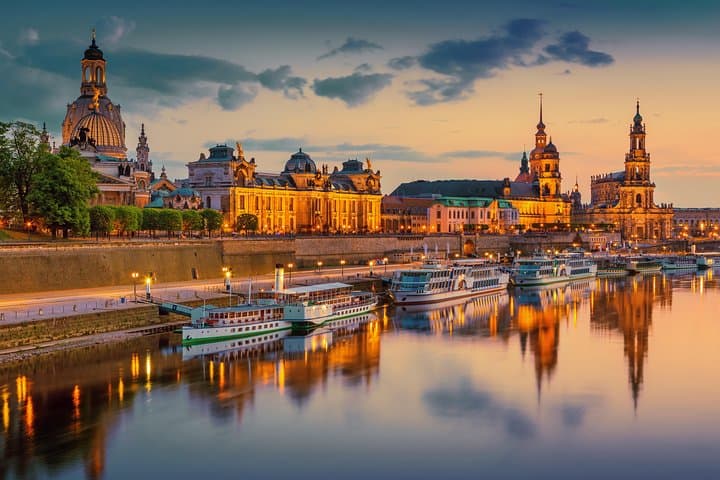
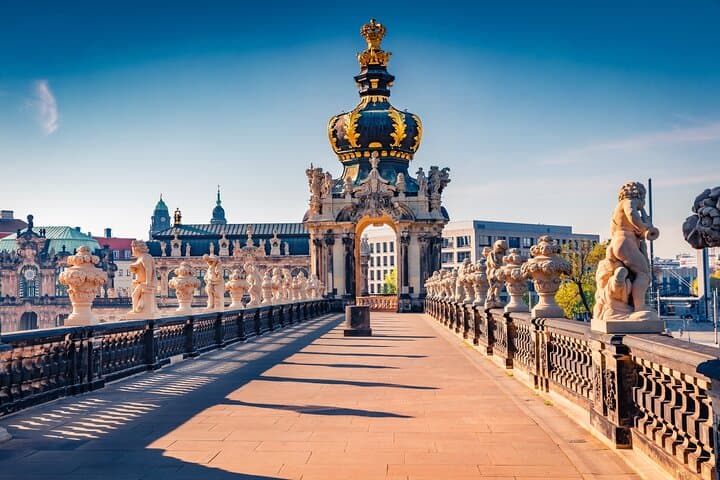
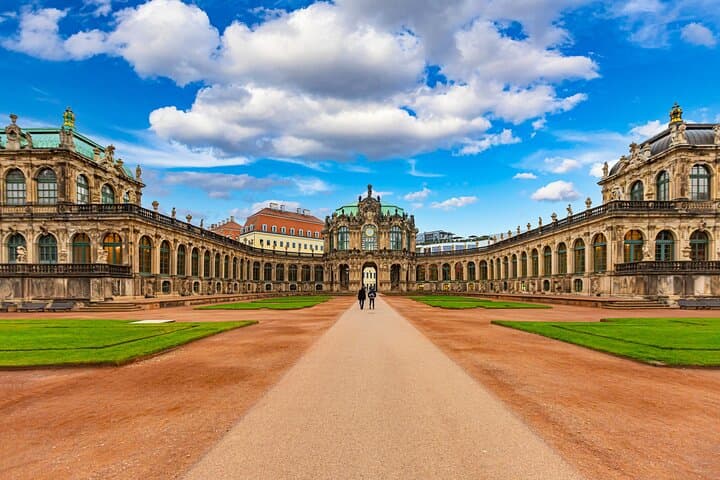
Across the border, Dresden reintroduces you to human scale. The Royal Palace, the Zwinger’s galleries and the domed Frauenkirche are chapters in a city that rebuilt itself after World War II with careful hands and contentious debates—history visible in stones both restored and deliberately left raw.
Practical rhythm: your day starts with a Prague pickup between 7:30–8:00 a.m.; the drive to the Bastei takes roughly 1.5–2 hours. Expect light hiking on uneven sandstone paths, staircases and exposed viewpoints — the main loop is short (about 1.5–2 km) but includes roughly 120–200 m of elevation change and a handful of stair sections that require steady footing. The guide times the walk and a hearty German lunch so you arrive in Dresden mid-afternoon for a guided look at key monuments and free time to explore museums or the baroque streets.
Tips for planning: bring a valid passport for the border crossing, sturdy shoes, a layered rain shell and a daypack with water and snacks (bottled water and a meal are included). The tour operates in most weather; fog and low cloud can add drama to the canyon but reduce long-distance views. For photographers, aim for morning or late afternoon light on the bridge; for culture, allow time in Dresden for the Royal Palace and a quick wander along the Elbe promenade.
This pairing—raw rock and restored grandeur—compresses Saxony’s natural and cultural highs into a single, manageable day that feels bigger than its hours.
moderate.
9–10 hours.
Suitable for travelers who can walk 1–3 miles on uneven footing and manage stairs; not technically demanding but requires sure-footedness.
The main walking loop at Bastei is short—about 1.5–2 km total—with sections of staircases and up to 120–200 m of elevation change; allow 30–60 minutes for viewpoints and photos.
No routine passport control, but you must carry a valid passport or EU ID as the tour crosses an international border and may request IDs if needed.
Yes — a main-course lunch at a local German restaurant, snacks and bottled water are included; the operator can accommodate dietary requests if informed in advance.
The tour is suitable for most travelers in reasonable health; those with serious mobility limitations should check accessibility options—some walking and stairs are required.
The tour operates in most conditions but may be canceled for safety reasons; you’ll be notified and eligible for a full refund if canceled 24 hours prior under the operator’s policy.
Museum admissions are generally not included; the itinerary includes guided stops and free time to explore the Royal Palace area—confirm specific gallery access ahead of travel.
Neurathen Castle remains and Dresden’s Royal Palace reflect a medieval strategic past and the baroque power of Saxon rulers, with both sites shaped by 20th-century reconstruction.
Saxon Switzerland manages foot traffic with marked paths and restrictions to protect fragile sandstone; stick to trails and avoid climbing on protected formations.
Bohemia Adventures operates guided outdoor trips and adventures with an emphasis on safety, stewardship, and memorable experiences.

You climb out of the minivan just as the morning light slants across sandstone teeth. Wind tugs at your jacket and the Elbe below gurgles, daring you to follow the canyon’s ledges. At Bastei Bridge, carved into a cliff face, the view opens: a braided river threading through sheer, honey-colored rock, pines gripping impossible clefts and the skeletal arches of a medieval castle watching from a nearby ruin.
You climb out of the minivan just as the morning light slants across sandstone teeth. Wind tugs at your jacket and the Elbe below gurgles, daring you to follow the canyon’s ledges. At Bastei Bridge, carved into a cliff face, the view opens: a braided river threading through sheer, honey-colored rock, pines gripping impossible clefts and the skeletal arches of a medieval castle watching from a nearby ruin.
This single-day route stitches two very different faces of Saxony. Geologically, the Bastei is part of the Elbe Sandstone formation — wind, rain and the river’s patient grinding have sculpted towering pillars and narrow gullies for millions of years. Neurathen Castle’s ruins, which you cross and inspect, date back to the Middle Ages and were once a network of wooden walkways and cave dwellings perched high above the canyon. The site’s strategic position controlled river traffic and inspired romantic painters of the 19th century; today walkers trade brushes for phones and tripods.
Across the border, Dresden reintroduces you to human scale. The Royal Palace, the Zwinger’s galleries and the domed Frauenkirche are chapters in a city that rebuilt itself after World War II with careful hands and contentious debates—history visible in stones both restored and deliberately left raw.
Practical rhythm: your day starts with a Prague pickup between 7:30–8:00 a.m.; the drive to the Bastei takes roughly 1.5–2 hours. Expect light hiking on uneven sandstone paths, staircases and exposed viewpoints — the main loop is short (about 1.5–2 km) but includes roughly 120–200 m of elevation change and a handful of stair sections that require steady footing. The guide times the walk and a hearty German lunch so you arrive in Dresden mid-afternoon for a guided look at key monuments and free time to explore museums or the baroque streets.
Tips for planning: bring a valid passport for the border crossing, sturdy shoes, a layered rain shell and a daypack with water and snacks (bottled water and a meal are included). The tour operates in most weather; fog and low cloud can add drama to the canyon but reduce long-distance views. For photographers, aim for morning or late afternoon light on the bridge; for culture, allow time in Dresden for the Royal Palace and a quick wander along the Elbe promenade.
This pairing—raw rock and restored grandeur—compresses Saxony’s natural and cultural highs into a single, manageable day that feels bigger than its hours.