THE ADVENTURE COLLECTIVE® · Independent discovery and booking for outdoor travel

A full-day public-transport tour from Tokyo that strings Hakone’s highlights into one practical loop: Tozan train, cable car, Hakone Ropeway to Owakudani, Lake Ashinoko pirate ship and Hakone Shrine. Ideal for travelers who want dramatic volcanic scenery, a lakeside torii and efficient transit in a single day.
A full-day public-transport tour from Tokyo that strings Hakone’s highlights into one practical loop: Tozan train, cable car, Hakone Ropeway to Owakudani, Lake Ashinoko pirate ship and Hakone Shrine. Ideal for travelers who want dramatic volcanic scenery, a lakeside torii and efficient transit in a single day.
You meet the guide outside Shinjuku’s south gate while the city still hums; by afternoon the train has shed the high-rise glare and the air has a different edge — cooler, conifer-scented, threaded with the faint sulfur of a nearby vent. The Hakone Tozan train climbs like a patient animal, shuffling through hairpin turns and moss-dark tunnels toward Gora, where the cable car waits and the valley opens. From the ropeway the landscape rearranges itself: steaming fumaroles at Owakudani daring you to step closer, the lake flattening into a sheet of slate, and, on a clear day, Mount Fuji cutting a clean silhouette on the horizon.
Verified experiences and guided adventures in the surrounding area.
Operated by Snow Monkey Resorts Tours (Machinovate Japan Ltd.) · Hakone, Kanagawa
You meet the guide outside Shinjuku’s south gate while the city still hums; by afternoon the train has shed the high-rise glare and the air has a different edge — cooler, conifer-scented, threaded with the faint sulfur of a nearby vent. The Hakone Tozan train climbs like a patient animal, shuffling through hairpin turns and moss-dark tunnels toward Gora, where the cable car waits and the valley opens. From the ropeway the landscape rearranges itself: steaming fumaroles at Owakudani daring you to step closer, the lake flattening into a sheet of slate, and, on a clear day, Mount Fuji cutting a clean silhouette on the horizon.
Hakone has long been a crossroads. In the Edo period it marked one of the Tōkaidō checkpoints between Kyoto and Edo; later it became a spa and pilgrimage landscape shaped by its volcanic heartbeat. Geologically, the area is young and restless — Owakudani’s sulfur vents are a visible pulse of the Hakone caldera beneath your feet. Culturally, the torii of Hakone Shrine stands at the lake’s edge as a quiet reminder of Shinto’s reach into everyday travel: people come to the shrine the same way they come to the hot springs — to feel a kind of repair.
The day’s practical arc is tidy and efficient: a round-trip train from Shinjuku, the Tozan line to Gora, a cable car, then the Hakone Ropeway with a stop at Owakudani, finishing with the pirate-ship cruise across Lake Ashinoko and a contemplative visit to the torii and Narukawa Art Museum. Expect roughly 11 hours on the move with several substantial walking segments on uneven paths and stone steps.
Tips to plan: time your visit for clear weather if Mount Fuji views are a priority; midweek reduces crowds at Owakudani and the shrines; carry a small pack and layers—the ropeway ride can be sharp and the valley warmer near the vents. Hydrate and wear good walking shoes: some paths are steep or wet. Bring cash for small souvenir shops and steaming black eggs at Owakudani if the stalls are open.
This itinerary compresses Hakone’s most visible contrasts — volcanic steam, serene lake, and lakeside shrine — into a single, travel-friendly day without a private vehicle. For outdoor-minded travelers who want scenic transport, geology, and a taste of regional art and ritual, it’s a focused, walkable introduction that rewards early starts and a willingness to follow public transit’s rhythm.
moderate.
11 hours.
Suitable for travelers who can walk 6–8 miles spread over the day and handle stairs and short uphill sections.
Meet outside Shinjuku Station’s South Gate by the LADURÉE Macaron shop near the Lumine 2 signage; look for the guide with a ‘Snow Monkey Resorts’ sign.
The tour is family-friendly and labelled physically easy, but it includes several hours of walking and some stair climbs—evaluate mobility and stamina before booking.
Mount Fuji is visible on clear days from the ropeway, Togendai pier and museum lounges; visibility depends on weather and air clarity.
Lunch is not included—there’s time at Owakudani to eat at local restaurants or snack stalls; bring cash for purchases.
The itinerary uses local trains, cable car and ropeway; some regional passes cover portions—check compatibility before the tour if you plan independent travel afterward.
Owakudani’s ropeway access and valley trails occasionally close due to volcanic activity or safety measures; operators will adjust the itinerary if needed.
Hakone was a critical checkpoint on the Edo-period Tōkaidō route and later developed as a hot-spring and pilgrimage area shaped by volcanic terrain.
Stick to marked trails, avoid feeding wildlife, and pack out waste; the ropeway and boat operate under strict safety rules to limit environmental impact.
Snow Monkey Resorts Tours (Machinovate Japan Ltd.) operates guided outdoor trips and adventures with an emphasis on safety, stewardship, and memorable experiences.
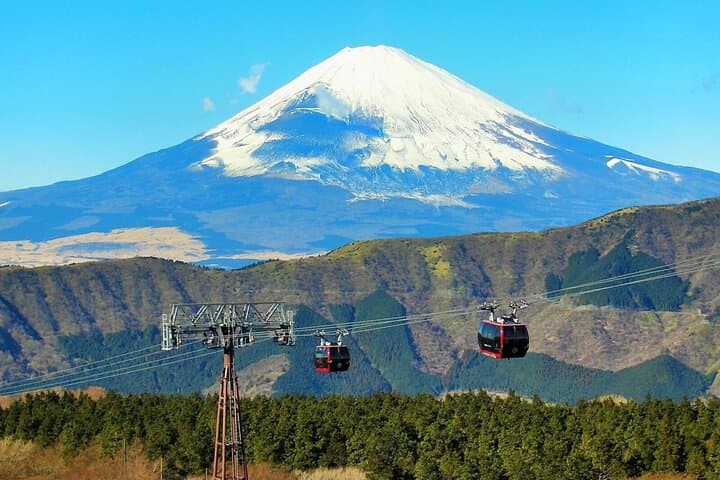
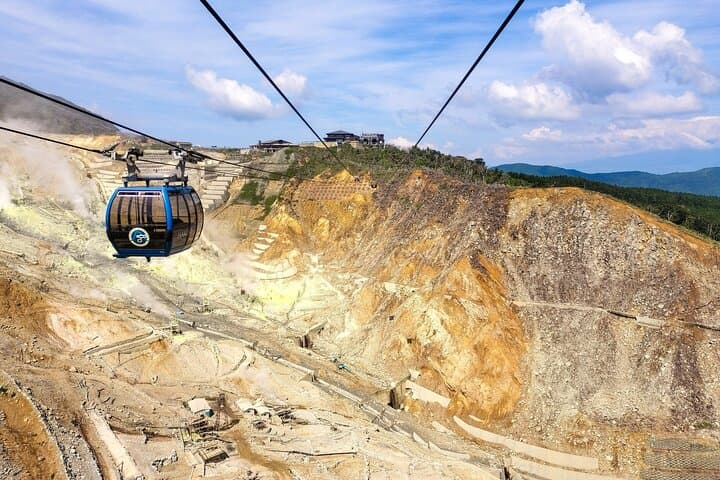
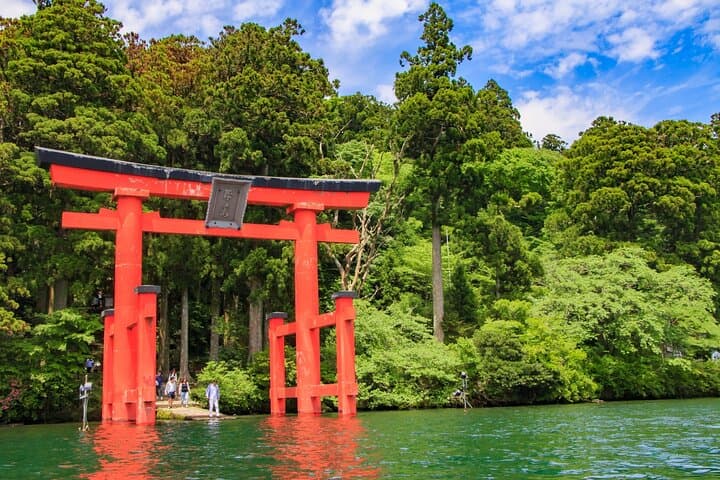
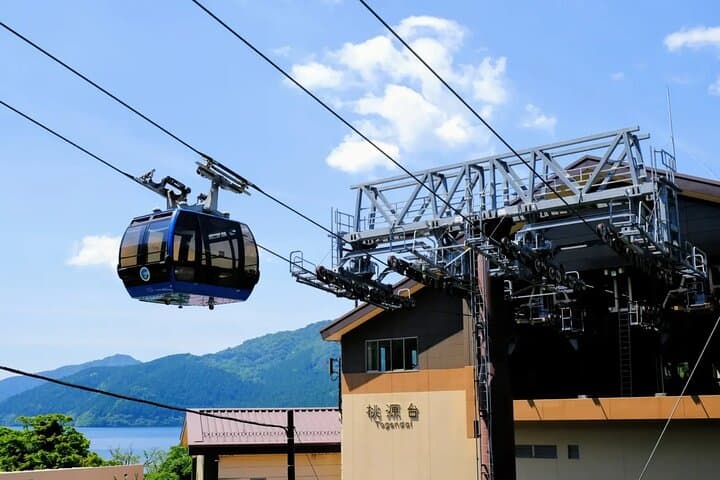
You meet the guide outside Shinjuku’s south gate while the city still hums; by afternoon the train has shed the high-rise glare and the air has a different edge — cooler, conifer-scented, threaded with the faint sulfur of a nearby vent. The Hakone Tozan train climbs like a patient animal, shuffling through hairpin turns and moss-dark tunnels toward Gora, where the cable car waits and the valley opens. From the ropeway the landscape rearranges itself: steaming fumaroles at Owakudani daring you to step closer, the lake flattening into a sheet of slate, and, on a clear day, Mount Fuji cutting a clean silhouette on the horizon.
You meet the guide outside Shinjuku’s south gate while the city still hums; by afternoon the train has shed the high-rise glare and the air has a different edge — cooler, conifer-scented, threaded with the faint sulfur of a nearby vent. The Hakone Tozan train climbs like a patient animal, shuffling through hairpin turns and moss-dark tunnels toward Gora, where the cable car waits and the valley opens. From the ropeway the landscape rearranges itself: steaming fumaroles at Owakudani daring you to step closer, the lake flattening into a sheet of slate, and, on a clear day, Mount Fuji cutting a clean silhouette on the horizon.
Hakone has long been a crossroads. In the Edo period it marked one of the Tōkaidō checkpoints between Kyoto and Edo; later it became a spa and pilgrimage landscape shaped by its volcanic heartbeat. Geologically, the area is young and restless — Owakudani’s sulfur vents are a visible pulse of the Hakone caldera beneath your feet. Culturally, the torii of Hakone Shrine stands at the lake’s edge as a quiet reminder of Shinto’s reach into everyday travel: people come to the shrine the same way they come to the hot springs — to feel a kind of repair.
The day’s practical arc is tidy and efficient: a round-trip train from Shinjuku, the Tozan line to Gora, a cable car, then the Hakone Ropeway with a stop at Owakudani, finishing with the pirate-ship cruise across Lake Ashinoko and a contemplative visit to the torii and Narukawa Art Museum. Expect roughly 11 hours on the move with several substantial walking segments on uneven paths and stone steps.
Tips to plan: time your visit for clear weather if Mount Fuji views are a priority; midweek reduces crowds at Owakudani and the shrines; carry a small pack and layers—the ropeway ride can be sharp and the valley warmer near the vents. Hydrate and wear good walking shoes: some paths are steep or wet. Bring cash for small souvenir shops and steaming black eggs at Owakudani if the stalls are open.
This itinerary compresses Hakone’s most visible contrasts — volcanic steam, serene lake, and lakeside shrine — into a single, travel-friendly day without a private vehicle. For outdoor-minded travelers who want scenic transport, geology, and a taste of regional art and ritual, it’s a focused, walkable introduction that rewards early starts and a willingness to follow public transit’s rhythm.