THE ADVENTURE COLLECTIVE® · Independent discovery and booking for outdoor travel

A day-long escape from Zagreb into the Dinaric Alps, Plitvice Lakes delivers a cinematic sequence of turquoise lakes and waterfalls. This guide explains what to expect, how the park works, and how to prepare for a long, rewarding day on the boardwalks.
A day-long escape from Zagreb into the Dinaric Alps, Plitvice Lakes delivers a cinematic sequence of turquoise lakes and waterfalls. This guide explains what to expect, how the park works, and how to prepare for a long, rewarding day on the boardwalks.
You leave Zagreb before dawn, the city’s baroque facades shrinking as the bus climbs into the Dinaric Alps. Through the windshield the road unspools into a patchwork of pine and limestone; by mid-morning the air tastes of wet stone and cedar, and the first turquoise flashes of Plitvice peek through the trees. The park doesn’t politely invite you in — it insists. Water moves here like a player with agency, carving steps of travertine, nudging lakes into different colors, and daring you to follow the boardwalks that thread the system together.
Verified experiences and guided adventures in the surrounding area.
Operated by Gray Line Croatia · Plitvička Jezera, Lika-Senj County
You leave Zagreb before dawn, the city’s baroque facades shrinking as the bus climbs into the Dinaric Alps. Through the windshield the road unspools into a patchwork of pine and limestone; by mid-morning the air tastes of wet stone and cedar, and the first turquoise flashes of Plitvice peek through the trees. The park doesn’t politely invite you in — it insists. Water moves here like a player with agency, carving steps of travertine, nudging lakes into different colors, and daring you to follow the boardwalks that thread the system together.
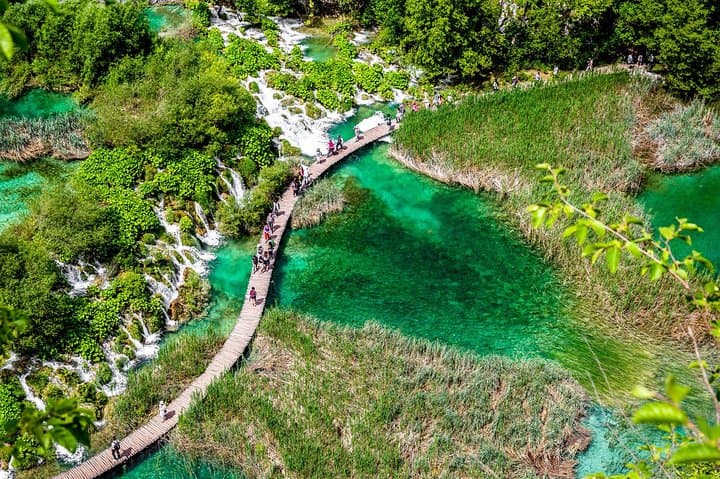
Plitvice Lakes National Park is Croatia’s great freshwater cathedral: sixteen lakes strung together by cascades and waterfalls, their boundaries defined by living travertine dams. These formations are not static — mineral-rich water and moss collaborate over centuries to build barriers that reroute streams and create new pools. The area’s geologic story is written in limestone and karst, where sinkholes and springs punctuate the forested slopes.
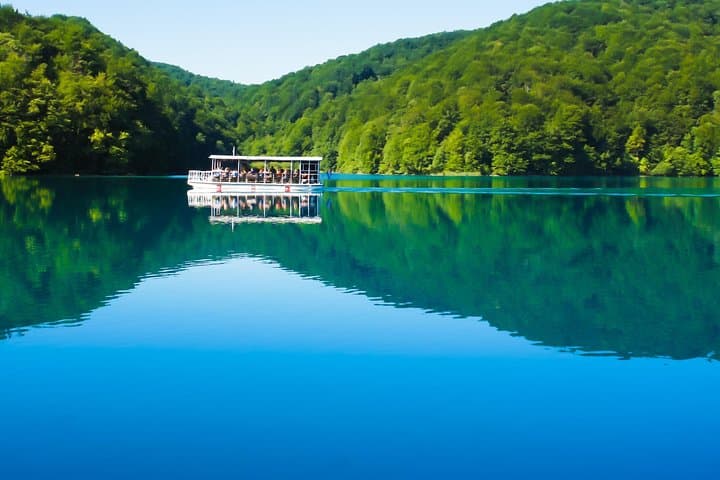
Human history here is quieter but still present. The lakes have been a crossroads for centuries, a boundary between coastal and continental weather, and after its 1979 UNESCO designation the park gained protections that reshaped local economies toward conservation and tourism. Today, electric boat rides and the park’s small train ease visitors between viewpoints, while local villages like Plitvička Jezera offer simple inns and hearty Lika cuisine — think grilled meats, cheese, and river trout.
Practicalities fold into the experience: this is a full-day outing from Zagreb (the advertised tour runs about 11 hours including transfers). You’ll spend roughly three to four hours exploring the park itself along a mix of boardwalks, footpaths, stairs, and short stretches of paved road. Entrance fees vary by season and are paid on-site in cash (EUR), so arrive prepared.
Wear comfortable, grippy footwear; the boardwalks can be wet and some trails are steep. Bring layers — mountain mornings are cool and midday can be surprisingly warm — and a refillable water bottle. If you’re chasing photography, plan for soft morning light or late afternoon for colors to saturate; the boat and higher overlooks offer the best compositions. Be mindful of the park’s rules: stay on marked trails, don’t swim, and respect wildlife.
If your itinerary allows, linger in the surrounding hills after the main circuit to find quieter viewpoints and a local raspa for fresh cheese. On a day trip from Zagreb, Plitvice is more than a checklist; it’s a kinetic landscape that invites careful watching, steady feet, and an appreciation for the slow, deliberate work of water and stone.
moderate.
10–11 hours (including transfers).
Moderate: expect several hours of walking with stairs and uneven boardwalks; comfortable for someone who walks 3–6 miles.
The scheduled tour is about 11 hours total, including round-trip transfers; time in the park is typically around 3–4 hours.
No—entrance fees to Plitvice National Park are paid on-site in EUR and vary by season; bring cash.
Some park sections and boardwalks are accessible, but steep stairs and uneven paths make full accessibility limited; tours note stroller access for short sections.
No—swimming is prohibited to protect the fragile travertine formations and water quality.
The tour includes a tour escort and guided portions, but some time in the park may be self-guided depending on the itinerary.
Layered clothing, sturdy shoes, and a light rain jacket are recommended; bring a hat and sunscreen in summer.
Declared a national park in 1949 and a UNESCO World Heritage Site in 1979, Plitvice’s protection shifted local economies toward conservation and responsible tourism.
The park manages visitor flow with timed pathways and limited access to fragile travertine areas; stay on trails and avoid single-use plastics to minimize impact.
Gray Line Croatia operates guided outdoor trips and adventures with an emphasis on safety, stewardship, and memorable experiences.
You leave Zagreb before dawn, the city’s baroque facades shrinking as the bus climbs into the Dinaric Alps. Through the windshield the road unspools into a patchwork of pine and limestone; by mid-morning the air tastes of wet stone and cedar, and the first turquoise flashes of Plitvice peek through the trees. The park doesn’t politely invite you in — it insists. Water moves here like a player with agency, carving steps of travertine, nudging lakes into different colors, and daring you to follow the boardwalks that thread the system together.
You leave Zagreb before dawn, the city’s baroque facades shrinking as the bus climbs into the Dinaric Alps. Through the windshield the road unspools into a patchwork of pine and limestone; by mid-morning the air tastes of wet stone and cedar, and the first turquoise flashes of Plitvice peek through the trees. The park doesn’t politely invite you in — it insists. Water moves here like a player with agency, carving steps of travertine, nudging lakes into different colors, and daring you to follow the boardwalks that thread the system together.
Plitvice Lakes National Park is Croatia’s great freshwater cathedral: sixteen lakes strung together by cascades and waterfalls, their boundaries defined by living travertine dams. These formations are not static — mineral-rich water and moss collaborate over centuries to build barriers that reroute streams and create new pools. The area’s geologic story is written in limestone and karst, where sinkholes and springs punctuate the forested slopes.
Human history here is quieter but still present. The lakes have been a crossroads for centuries, a boundary between coastal and continental weather, and after its 1979 UNESCO designation the park gained protections that reshaped local economies toward conservation and tourism. Today, electric boat rides and the park’s small train ease visitors between viewpoints, while local villages like Plitvička Jezera offer simple inns and hearty Lika cuisine — think grilled meats, cheese, and river trout.
Practicalities fold into the experience: this is a full-day outing from Zagreb (the advertised tour runs about 11 hours including transfers). You’ll spend roughly three to four hours exploring the park itself along a mix of boardwalks, footpaths, stairs, and short stretches of paved road. Entrance fees vary by season and are paid on-site in cash (EUR), so arrive prepared.
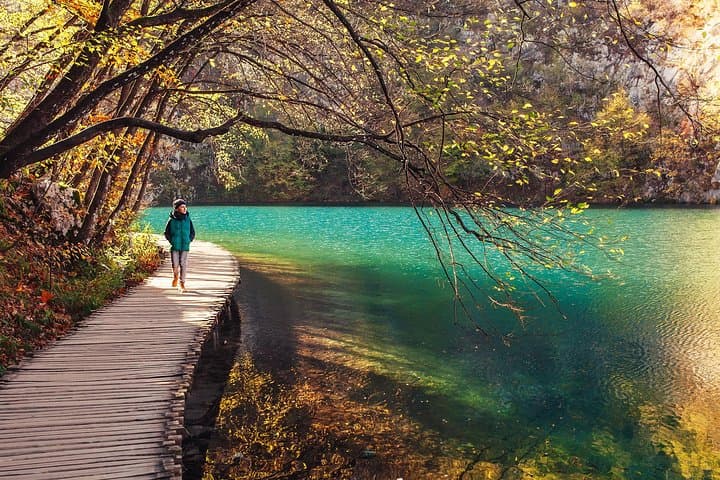
Wear comfortable, grippy footwear; the boardwalks can be wet and some trails are steep. Bring layers — mountain mornings are cool and midday can be surprisingly warm — and a refillable water bottle. If you’re chasing photography, plan for soft morning light or late afternoon for colors to saturate; the boat and higher overlooks offer the best compositions. Be mindful of the park’s rules: stay on marked trails, don’t swim, and respect wildlife.
If your itinerary allows, linger in the surrounding hills after the main circuit to find quieter viewpoints and a local raspa for fresh cheese. On a day trip from Zagreb, Plitvice is more than a checklist; it’s a kinetic landscape that invites careful watching, steady feet, and an appreciation for the slow, deliberate work of water and stone.