THE ADVENTURE COLLECTIVE® · Independent discovery and booking for outdoor travel

A full‑day loop from Salta along Route 68 that pairs the otherworldly red formations of Quebrada de las Conchas with a vineyard tasting in Cafayate. Expect dramatic geology, brief hikes, and Torrontés on the side.
A full‑day loop from Salta along Route 68 that pairs the otherworldly red formations of Quebrada de las Conchas with a vineyard tasting in Cafayate. Expect dramatic geology, brief hikes, and Torrontés on the side.
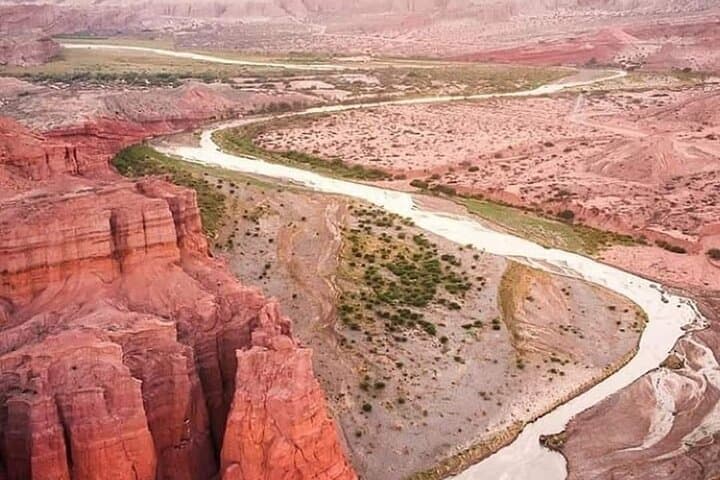
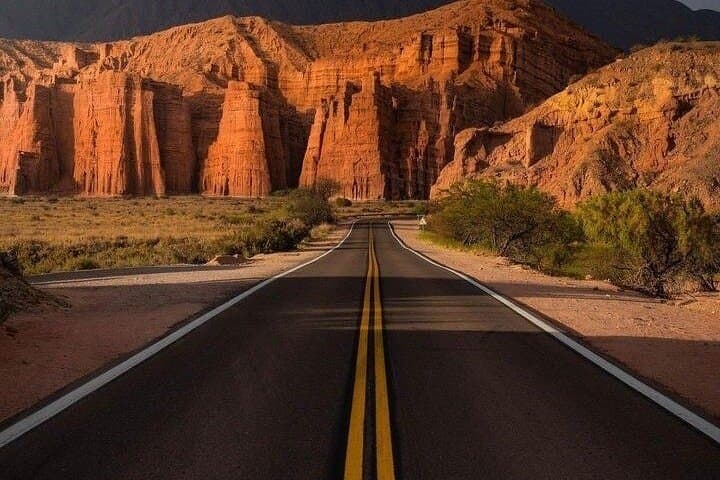
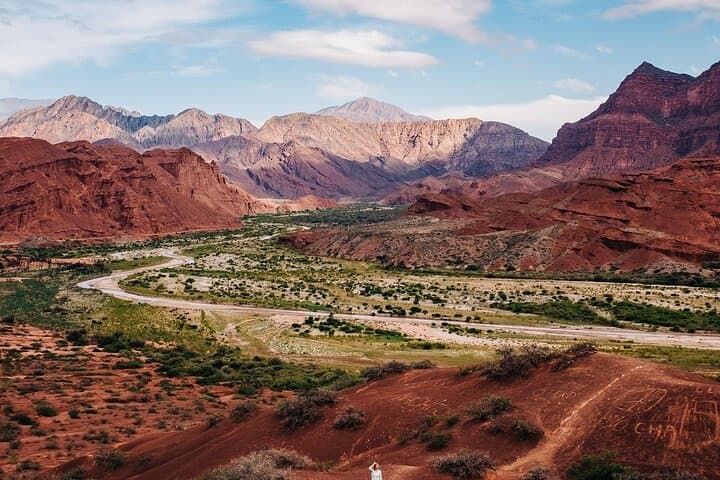
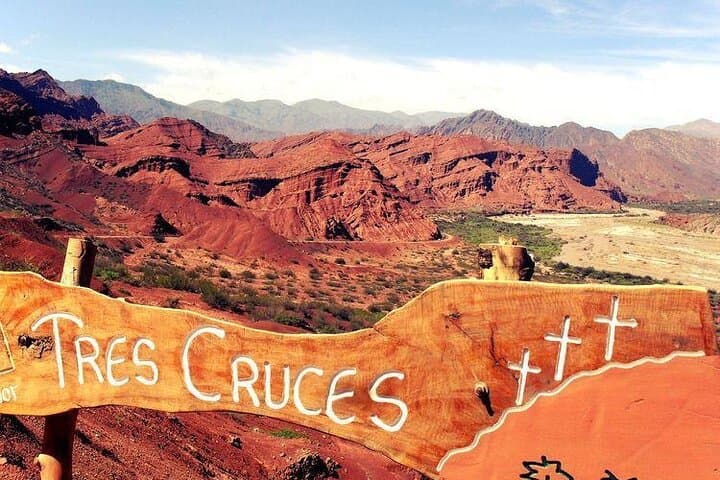
The engine hums, the Andes recede and the landscape opens like a book of red pages. Leaving Salta before dawn, the bus climbs onto National Route 68 and the valley loosens its grip: tobacco fields give way to scrubby hills carved into arches and ribs of sandstone. By mid‑morning the group steps out at Quebrada de las Conchas and the wind seems to read the rock for you—whistling through narrow cuts, polishing surfaces into shapes that look almost intentional.
Verified experiences and guided adventures in the surrounding area.
Operated by Parada Norte Travel · Cafayate, Salta
The engine hums, the Andes recede and the landscape opens like a book of red pages. Leaving Salta before dawn, the bus climbs onto National Route 68 and the valley loosens its grip: tobacco fields give way to scrubby hills carved into arches and ribs of sandstone. By mid‑morning the group steps out at Quebrada de las Conchas and the wind seems to read the rock for you—whistling through narrow cuts, polishing surfaces into shapes that look almost intentional.
Quebrada de las Conchas is not just photogenic; it is geological storytelling. The sedimentary layers you pass were laid down roughly 65 million years ago, and the region’s badlands preserve fossil fragments and traces of the Diaguita‑Calchaquí cultures who shaped the Calchaquí Valleys long before colonial vineyards arrived. The road pauses at named formations—Devil’s Throat, Amphitheater, Toad—each a geological personality with distinct angles and shadows. Guides point out the thin bands of red and ocher; if you look closely you can pick out the compression lines that record ancient rivers and floods.
Cafayate itself is a tidy town of low adobe walls, ironwork balconies and a main square that warms under the high desert sun. Wine anchors the modern economy: Torrontés—the floral, high‑acidity white—is the region’s calling card, coaxed from vines that sit higher and drier than many Old World vineyards. The tour includes a short winery visit with a tasting and a chance to see traditional winemaking up close, followed by two hours to eat and walk the town.
This is a full‑day, largely vehicular trip—expect long stretches on scenic highway, brief hikes of 10–30 minutes at lookouts and museum‑level walking in town. Altitude rises from Salta (around 1,200 m) to Cafayate (≈1,680 m) so take it easy if you’re sensitive to elevation. Bring sun protection, carry water, and leave extra memory on your camera: the light on these red rocks is mercilessly photogenic late afternoon.
Practical notes: departures typically include hotel pickup between 7–8 am, it’s a 10–12 hour day round‑trip, and restrooms and snacks are available at scheduled stops. The experience suits travelers of most fitness levels—mobility‑friendly vehicles and brief, paved access at main viewpoints make the route accessible, but rough unpaved shoulders at some pullouts require caution.
In short: it’s a day that pairs geological spectacle with local flavor—drive, step out, taste, and return with a clear sense of why Route 68 is one of northwestern Argentina’s most enduring drives.
easy.
12 hours.
Suitable for most fitness levels; requires short walks up to 30 minutes and long periods seated on the bus.
The tour is a full day—approximately 12 hours total including hotel pickup in Salta and return drop‑off.
Lunch is not included; the itinerary provides two hours in Cafayate to eat at local restaurants or cafés.
A short winery visit and tasting are included; alcoholic beverages are served only to guests over 18 with ID.
Vehicles and main viewpoints are accessible, but some lookout areas have gravel or uneven surfaces—contact the operator ahead to arrange pickup details and accessibility needs.
Guides offer face‑to‑face commentary in both Spanish and English.
The tour operates rain or shine; cancellations due to weather are at the operator’s discretion and standard refund rules apply if you cancel 24+ hours in advance.
The Calchaquí Valleys have been a corridor for human settlement for millennia; European viticulture took hold in the colonial period and evolved into today’s high‑altitude winemaking tradition.
The semi‑arid badlands are prone to erosion and water scarcity—stick to designated areas, avoid removing rocks or fossils, and support local businesses that follow sustainable practices.
Parada Norte Travel operates guided outdoor trips and adventures with an emphasis on safety, stewardship, and memorable experiences.
The engine hums, the Andes recede and the landscape opens like a book of red pages. Leaving Salta before dawn, the bus climbs onto National Route 68 and the valley loosens its grip: tobacco fields give way to scrubby hills carved into arches and ribs of sandstone. By mid‑morning the group steps out at Quebrada de las Conchas and the wind seems to read the rock for you—whistling through narrow cuts, polishing surfaces into shapes that look almost intentional.
The engine hums, the Andes recede and the landscape opens like a book of red pages. Leaving Salta before dawn, the bus climbs onto National Route 68 and the valley loosens its grip: tobacco fields give way to scrubby hills carved into arches and ribs of sandstone. By mid‑morning the group steps out at Quebrada de las Conchas and the wind seems to read the rock for you—whistling through narrow cuts, polishing surfaces into shapes that look almost intentional.
Quebrada de las Conchas is not just photogenic; it is geological storytelling. The sedimentary layers you pass were laid down roughly 65 million years ago, and the region’s badlands preserve fossil fragments and traces of the Diaguita‑Calchaquí cultures who shaped the Calchaquí Valleys long before colonial vineyards arrived. The road pauses at named formations—Devil’s Throat, Amphitheater, Toad—each a geological personality with distinct angles and shadows. Guides point out the thin bands of red and ocher; if you look closely you can pick out the compression lines that record ancient rivers and floods.
Cafayate itself is a tidy town of low adobe walls, ironwork balconies and a main square that warms under the high desert sun. Wine anchors the modern economy: Torrontés—the floral, high‑acidity white—is the region’s calling card, coaxed from vines that sit higher and drier than many Old World vineyards. The tour includes a short winery visit with a tasting and a chance to see traditional winemaking up close, followed by two hours to eat and walk the town.
This is a full‑day, largely vehicular trip—expect long stretches on scenic highway, brief hikes of 10–30 minutes at lookouts and museum‑level walking in town. Altitude rises from Salta (around 1,200 m) to Cafayate (≈1,680 m) so take it easy if you’re sensitive to elevation. Bring sun protection, carry water, and leave extra memory on your camera: the light on these red rocks is mercilessly photogenic late afternoon.
Practical notes: departures typically include hotel pickup between 7–8 am, it’s a 10–12 hour day round‑trip, and restrooms and snacks are available at scheduled stops. The experience suits travelers of most fitness levels—mobility‑friendly vehicles and brief, paved access at main viewpoints make the route accessible, but rough unpaved shoulders at some pullouts require caution.
In short: it’s a day that pairs geological spectacle with local flavor—drive, step out, taste, and return with a clear sense of why Route 68 is one of northwestern Argentina’s most enduring drives.