THE ADVENTURE COLLECTIVE® · Independent discovery and booking for outdoor travel

Rise with the desert and float above Marrakech’s Palmeraie at dawn. This small-group hot-air balloon includes pickup, safety briefing, and post-flight breakfast with sweeping Atlas views.
Rise with the desert and float above Marrakech’s Palmeraie at dawn. This small-group hot-air balloon includes pickup, safety briefing, and post-flight breakfast with sweeping Atlas views.
You lift off before the city has opened its shutters, the wicker basket steady beneath your feet as the desert light stretches toward the High Atlas.
The balloon drifts over the Palmeraie and outlying farms; clay-roofed Berber dwellings shrink to warm tiles, lone argan trees tilt as if to watch you pass, and the Atlas range silhouettes grow sharper with each minute of ascent.
This morning flight ties a simple, human ritual—tea, safety checks, the hiss of burners—into a larger landscape shaped by volcanic uplift and millennia of irrigation. Marrakech’s palm groves were laid out where an ancient river left sediment-rich terraces; the Atlas Mountains are younger, folded by tectonic collision and still shedding scree into the plains below.
Culturally, the scene is part rural life and part tourism: you’ll see seasonal crops, workers tending palms, and pockets of Berber architecture that reflect local materials and centuries-old techniques. Operators typically serve a light breakfast after landing; pickup and return from Marrakech are included and flights are scheduled at dawn for the calmest air.
Practical guidance: dress in layers for a 15–20°C swing between takeoff and landing, wear closed shoes for standing in the basket and on launch fields, and bring a neck strap for your camera. Note the 100 kg weight limit per passenger, and that flights cancel in high wind or low visibility—safety comes first. Expect around four hours total for hotel transfer, briefing, flight, and post-flight refreshments, and arrive ready to watch the desert wake beneath you.
Verified experiences and guided adventures in the surrounding area.
Operated by Palmsballooning · Marrakech, Marrakech-Safi
You lift off before the city has opened its shutters, the wicker basket steady beneath your feet as the desert light stretches toward the High Atlas.
The balloon drifts over the Palmeraie and outlying farms; clay-roofed Berber dwellings shrink to warm tiles, lone argan trees tilt as if to watch you pass, and the Atlas range silhouettes grow sharper with each minute of ascent.
This morning flight ties a simple, human ritual—tea, safety checks, the hiss of burners—into a larger landscape shaped by volcanic uplift and millennia of irrigation. Marrakech’s palm groves were laid out where an ancient river left sediment-rich terraces; the Atlas Mountains are younger, folded by tectonic collision and still shedding scree into the plains below.
Culturally, the scene is part rural life and part tourism: you’ll see seasonal crops, workers tending palms, and pockets of Berber architecture that reflect local materials and centuries-old techniques. Operators typically serve a light breakfast after landing; pickup and return from Marrakech are included and flights are scheduled at dawn for the calmest air.
Practical guidance: dress in layers for a 15–20°C swing between takeoff and landing, wear closed shoes for standing in the basket and on launch fields, and bring a neck strap for your camera. Note the 100 kg weight limit per passenger, and that flights cancel in high wind or low visibility—safety comes first. Expect around four hours total for hotel transfer, briefing, flight, and post-flight refreshments, and arrive ready to watch the desert wake beneath you.
easy.
3–4 hours.
Suitable for most fitness levels; requires standing in a basket and basic mobility for boarding and exiting.
The airborne portion typically lasts 45–60 minutes, with the full experience including transfers and post-flight breakfast taking about 3–4 hours.
Yes—operators commonly set a maximum of 100 kg (220 lbs) per passenger for safety and balance; disclose weights when booking.
Flights are canceled in strong wind or poor visibility; operators usually offer a full refund or rescheduling if conditions are unsafe.
Most people can participate, but it’s not recommended for pregnant travelers or those with serious back or heart conditions; check operator policies for age restrictions.
The Palmeraie has been shaped over centuries by irrigation and oasis cultivation; Berber communities and agricultural practices remain visible across the plains.
Operators commonly follow no-trace practices at launch and landing sites; avoid leaving litter in palm groves and respect private agricultural land.
Palmsballooning operates guided outdoor trips and adventures with an emphasis on safety, stewardship, and memorable experiences.
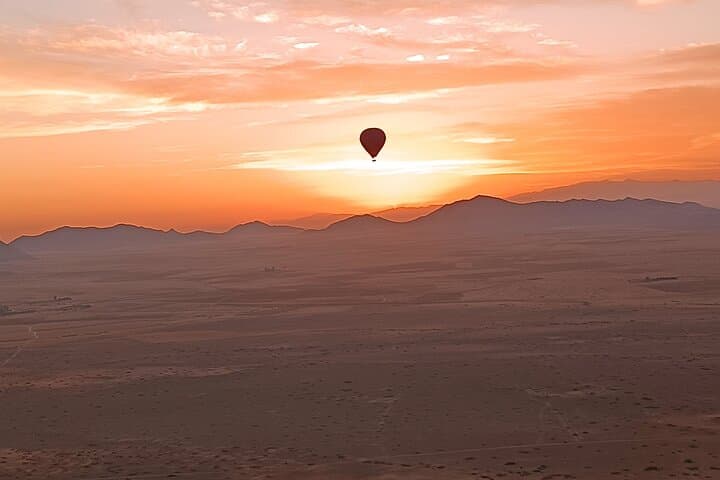
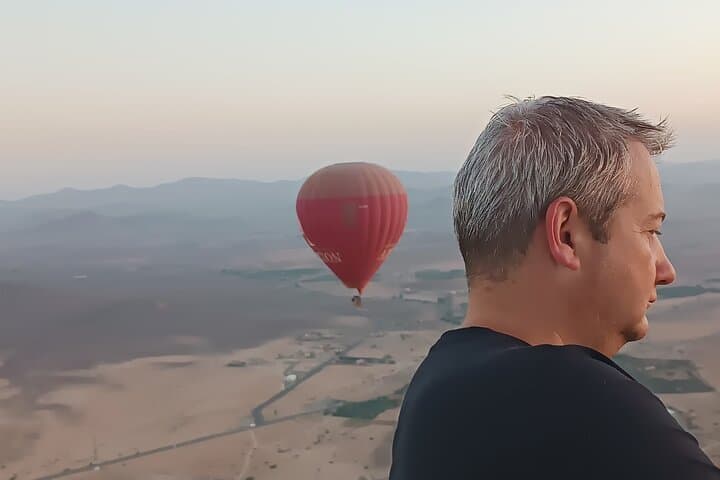
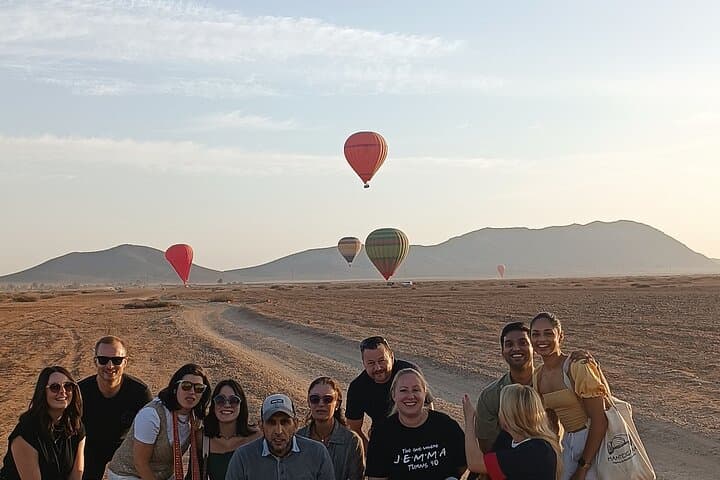
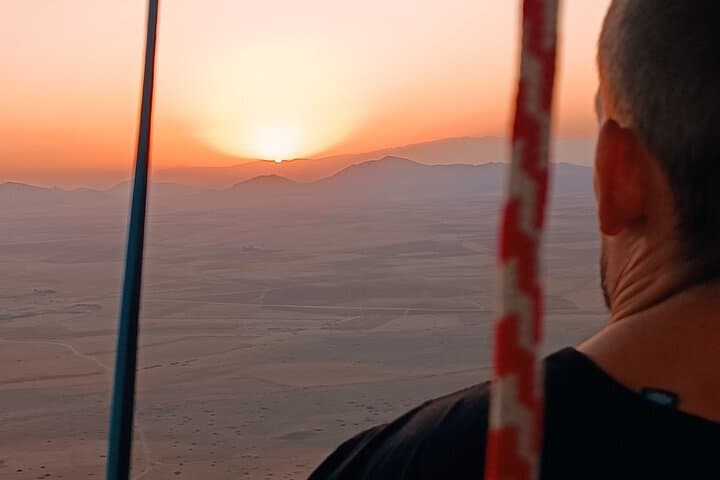
You lift off before the city has opened its shutters, the wicker basket steady beneath your feet as the desert light stretches toward the High Atlas.
The balloon drifts over the Palmeraie and outlying farms; clay-roofed Berber dwellings shrink to warm tiles, lone argan trees tilt as if to watch you pass, and the Atlas range silhouettes grow sharper with each minute of ascent.
This morning flight ties a simple, human ritual—tea, safety checks, the hiss of burners—into a larger landscape shaped by volcanic uplift and millennia of irrigation. Marrakech’s palm groves were laid out where an ancient river left sediment-rich terraces; the Atlas Mountains are younger, folded by tectonic collision and still shedding scree into the plains below.
Culturally, the scene is part rural life and part tourism: you’ll see seasonal crops, workers tending palms, and pockets of Berber architecture that reflect local materials and centuries-old techniques. Operators typically serve a light breakfast after landing; pickup and return from Marrakech are included and flights are scheduled at dawn for the calmest air.
Practical guidance: dress in layers for a 15–20°C swing between takeoff and landing, wear closed shoes for standing in the basket and on launch fields, and bring a neck strap for your camera. Note the 100 kg weight limit per passenger, and that flights cancel in high wind or low visibility—safety comes first. Expect around four hours total for hotel transfer, briefing, flight, and post-flight refreshments, and arrive ready to watch the desert wake beneath you.
You lift off before the city has opened its shutters, the wicker basket steady beneath your feet as the desert light stretches toward the High Atlas.
The balloon drifts over the Palmeraie and outlying farms; clay-roofed Berber dwellings shrink to warm tiles, lone argan trees tilt as if to watch you pass, and the Atlas range silhouettes grow sharper with each minute of ascent.
This morning flight ties a simple, human ritual—tea, safety checks, the hiss of burners—into a larger landscape shaped by volcanic uplift and millennia of irrigation. Marrakech’s palm groves were laid out where an ancient river left sediment-rich terraces; the Atlas Mountains are younger, folded by tectonic collision and still shedding scree into the plains below.
Culturally, the scene is part rural life and part tourism: you’ll see seasonal crops, workers tending palms, and pockets of Berber architecture that reflect local materials and centuries-old techniques. Operators typically serve a light breakfast after landing; pickup and return from Marrakech are included and flights are scheduled at dawn for the calmest air.
Practical guidance: dress in layers for a 15–20°C swing between takeoff and landing, wear closed shoes for standing in the basket and on launch fields, and bring a neck strap for your camera. Note the 100 kg weight limit per passenger, and that flights cancel in high wind or low visibility—safety comes first. Expect around four hours total for hotel transfer, briefing, flight, and post-flight refreshments, and arrive ready to watch the desert wake beneath you.