THE ADVENTURE COLLECTIVE® · Independent discovery and booking for outdoor travel

Ride the Olympic‑tested roads around Mt. Fuji’s Five Lakes with guided support, premium gear, and local stops. This full‑day cycling tour blends technical climbs, mirror‑flat lake views, and regional cuisine—perfect for cyclists seeking a managed, scenic challenge.
Ride the Olympic‑tested roads around Mt. Fuji’s Five Lakes with guided support, premium gear, and local stops. This full‑day cycling tour blends technical climbs, mirror‑flat lake views, and regional cuisine—perfect for cyclists seeking a managed, scenic challenge.
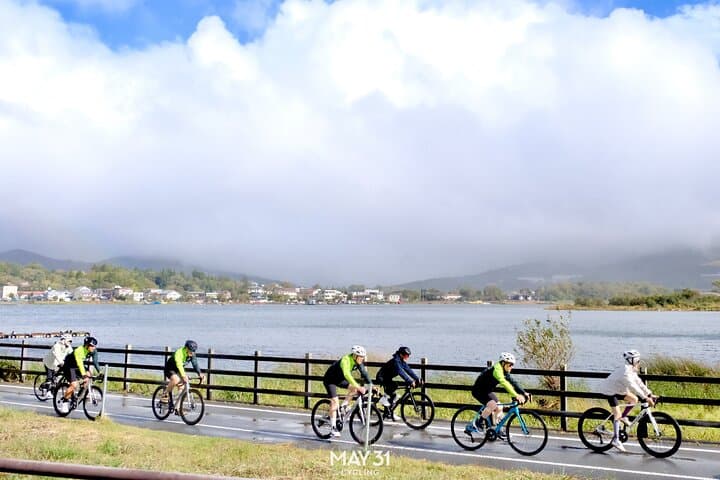
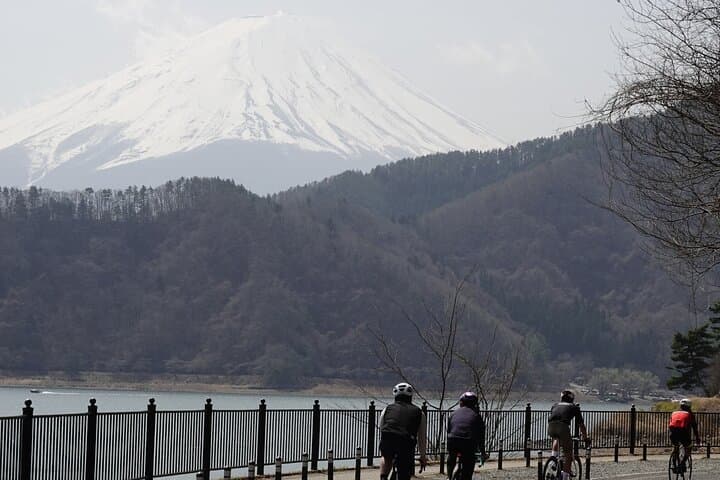
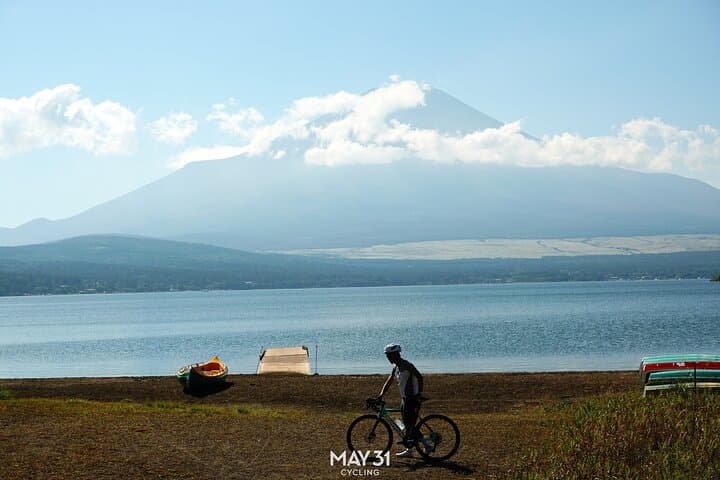
You pull on a helmet while a low cloud skims the shoulder of Mt. Fuji, and for a moment the whole world narrows to the metallic clink of a derailleur and the soft hiss of tires. The support van backs up, the guide checks tire pressure, and the first glimpse of Fuji unrolls like an objective: snow-capped cone balanced above mirror‑flat lakes. This is not a commute — it’s a day-long clockwise sweep that first tested Olympic legs and now hums with weekend cyclists and club riders.
Verified experiences and guided adventures in the surrounding area.
Operated by May31 Cycling · Fujikawaguchiko, Yamanashi
You pull on a helmet while a low cloud skims the shoulder of Mt. Fuji, and for a moment the whole world narrows to the metallic clink of a derailleur and the soft hiss of tires. The support van backs up, the guide checks tire pressure, and the first glimpse of Fuji unrolls like an objective: snow-capped cone balanced above mirror‑flat lakes. This is not a commute — it’s a day-long clockwise sweep that first tested Olympic legs and now hums with weekend cyclists and club riders.
The Five Lakes sit where sediment and lava long ago negotiated a truce. Glacial deposits and pyroclastic flows carved basins that collected water on Fuji’s northern flank; the lakes—Motosu, Shoji, Saiko, Kawaguchi, and Yamanaka—trace the mountain’s footprint and offer a variety of shorelines, each with its own wind and mood. Cultural history is present too: artists and pilgrims have long treated Fuji as both subject and spiritual axis, and the towns here grew around inns, charcoal kilns, and later, tourism. The Olympic route amplified the area’s reputation for steady climbs and open roads, and the annual hill climb proves how seriously local cyclists take gradient and timing.
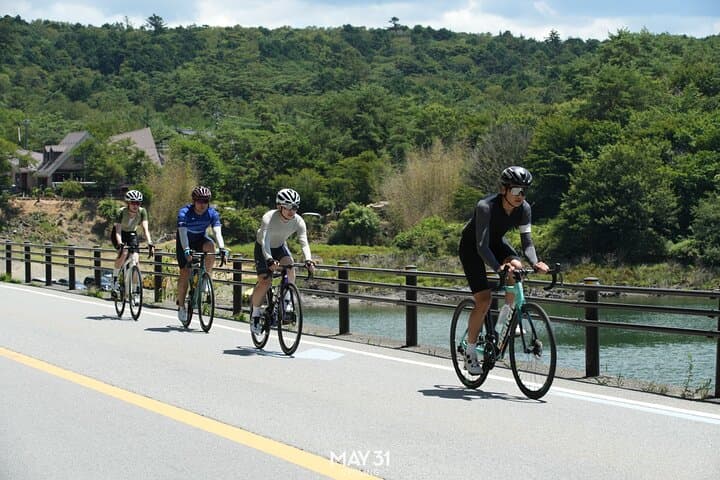
On the ride you’ll feel the route change under your wheels—short, punchy climbs that demand rhythm; long flats that let you read the mountain’s profile; roads that curl through cedar stands, where the pines seem to push you forward. Water will tease you at every turn: pale green bays that catch the light, glassy mornings that dare you to stop and photograph a perfect reflection. Local stops—small eateries near Kawaguchi and family-run soba shops—serve hearty regional dishes like hōtō udon that refuel as reliably as the support van’s spare tubes.
Practical notes: expect a full day—roughly 8–9 hours on the schedule with riding distance around 70–80 km depending on the group route and about 800–1,200 m cumulative climbing. Guides handle logistics: premium rental bikes, helmets, a photographer, videographer, and a follow‑van carrying tools, refreshments, and a first aid kit. Weather can change quickly at Fuji’s altitude; visibility is best in winter mornings but cold, while spring and fall offer milder temps and color. Hydrate between lakes, manage effort on the climbs, and listen to group signals—drafting and single‑file reconnections happen often.
Who this is for: riders with solid road skills and a moderate fitness level who want a supported, culturally rich day ride. Bring padded shorts, layered clothing, and a willingness to stop for the views. When the mountain clears, the payoff is immediate: Fuji dominates the horizon, the lakes hold its portrait, and a properly climbed pass feels earned.
moderate.
8–9 hours.
Suitable for cyclists with regular road experience and good endurance; you should be comfortable holding pace on rolling hills and descents.
The full experience runs about 8–9 hours including stops; riding distance typically lands around 70–80 km with roughly 800–1,200 m of cumulative elevation gain depending on the exact route.
No — quality rental bikes and helmets are provided, though regular users often bring personal pedals and shoes.
Recommended for riders with a moderate fitness level and confident road‑riding skills; group pace and climb pacing will be managed by guides.
Yes — the operator offers pickup within Tokyo’s 23 wards and charters transport to and from the Fuji Five Lakes area.
Tours may be canceled or rescheduled in poor visibility or dangerous conditions; the cancellation policy allows full refunds if canceled at least 24 hours prior or for bad weather.
Children may participate if they are at least 150 cm tall; operators advise riders under this height to discuss specifics with the supplier ahead of booking.
The Five Lakes formed on Fuji’s northern flank from volcanic and glacial processes; the region later became popular with Edo‑period pilgrims and artists who documented Fuji’s shape.
Stick to marked roads and local waste rules—litter and roadside fires have been community concerns; support local businesses to keep small‑scale tourism sustainable.
May31 Cycling operates guided outdoor trips and adventures with an emphasis on safety, stewardship, and memorable experiences.
You pull on a helmet while a low cloud skims the shoulder of Mt. Fuji, and for a moment the whole world narrows to the metallic clink of a derailleur and the soft hiss of tires. The support van backs up, the guide checks tire pressure, and the first glimpse of Fuji unrolls like an objective: snow-capped cone balanced above mirror‑flat lakes. This is not a commute — it’s a day-long clockwise sweep that first tested Olympic legs and now hums with weekend cyclists and club riders.
You pull on a helmet while a low cloud skims the shoulder of Mt. Fuji, and for a moment the whole world narrows to the metallic clink of a derailleur and the soft hiss of tires. The support van backs up, the guide checks tire pressure, and the first glimpse of Fuji unrolls like an objective: snow-capped cone balanced above mirror‑flat lakes. This is not a commute — it’s a day-long clockwise sweep that first tested Olympic legs and now hums with weekend cyclists and club riders.
The Five Lakes sit where sediment and lava long ago negotiated a truce. Glacial deposits and pyroclastic flows carved basins that collected water on Fuji’s northern flank; the lakes—Motosu, Shoji, Saiko, Kawaguchi, and Yamanaka—trace the mountain’s footprint and offer a variety of shorelines, each with its own wind and mood. Cultural history is present too: artists and pilgrims have long treated Fuji as both subject and spiritual axis, and the towns here grew around inns, charcoal kilns, and later, tourism. The Olympic route amplified the area’s reputation for steady climbs and open roads, and the annual hill climb proves how seriously local cyclists take gradient and timing.
On the ride you’ll feel the route change under your wheels—short, punchy climbs that demand rhythm; long flats that let you read the mountain’s profile; roads that curl through cedar stands, where the pines seem to push you forward. Water will tease you at every turn: pale green bays that catch the light, glassy mornings that dare you to stop and photograph a perfect reflection. Local stops—small eateries near Kawaguchi and family-run soba shops—serve hearty regional dishes like hōtō udon that refuel as reliably as the support van’s spare tubes.
Practical notes: expect a full day—roughly 8–9 hours on the schedule with riding distance around 70–80 km depending on the group route and about 800–1,200 m cumulative climbing. Guides handle logistics: premium rental bikes, helmets, a photographer, videographer, and a follow‑van carrying tools, refreshments, and a first aid kit. Weather can change quickly at Fuji’s altitude; visibility is best in winter mornings but cold, while spring and fall offer milder temps and color. Hydrate between lakes, manage effort on the climbs, and listen to group signals—drafting and single‑file reconnections happen often.
Who this is for: riders with solid road skills and a moderate fitness level who want a supported, culturally rich day ride. Bring padded shorts, layered clothing, and a willingness to stop for the views. When the mountain clears, the payoff is immediate: Fuji dominates the horizon, the lakes hold its portrait, and a properly climbed pass feels earned.