THE ADVENTURE COLLECTIVE® · Independent discovery and booking for outdoor travel

Taste Oropesa’s legendary Chuta bread, Saylla’s chicharrón, and Tipón’s traditional oven-roasted cuy on a four-hour loop from Cusco. This half-day tour pairs short town walks with immersive food stops and local culinary stories.
Taste Oropesa’s legendary Chuta bread, Saylla’s chicharrón, and Tipón’s traditional oven-roasted cuy on a four-hour loop from Cusco. This half-day tour pairs short town walks with immersive food stops and local culinary stories.
You leave Cusco mid-morning and the city’s stones slide behind you as the highland air thins and the valley opens. The first stop is Oropesa, where rustic wood-fired ovens and the scent of baking rise like a local invitation; bakers pull apart the oversized Chuta bread in long, deliberate tugs. A short drive later, copper pans and sizzling fat announce Saylla’s chicharronerías, where fried pork is both daily ritual and regional economy. Ten minutes more and Tipón’s smoke and clay ovens reveal cuyerías preparing guinea pig the traditional way—earthy, direct, and centered on family recipes.
Verified experiences and guided adventures in the surrounding area.
Operated by Machupicchu Latin America · Cusco, Cusco Region
You leave Cusco mid-morning and the city’s stones slide behind you as the highland air thins and the valley opens. The first stop is Oropesa, where rustic wood-fired ovens and the scent of baking rise like a local invitation; bakers pull apart the oversized Chuta bread in long, deliberate tugs. A short drive later, copper pans and sizzling fat announce Saylla’s chicharronerías, where fried pork is both daily ritual and regional economy. Ten minutes more and Tipón’s smoke and clay ovens reveal cuyerías preparing guinea pig the traditional way—earthy, direct, and centered on family recipes.
This loop traces small-town food economies rooted in Quechua and colonial practices: Oropesa’s Chuta (from the Quechua verb to pull), Saylla’s multi‑generation chicharronerías, and Tipón’s oven-roasted cuy alongside agricultural terraces and pre-Columbian irrigation engineering. The route crosses volcanic highland soils and irrigated fields, offering quick window views of terraced slopes and Andean pasture.
Practical side: the tour is four hours by vehicle with short, flat walks in town centers—expect simple streets and steps rather than long hikes. Elevation is high (Cusco ~3,400 m), so acclimatize before sampling rich, fried dishes. Bring sun protection, a light warm layer, and cash for small purchases at family-run bakeries and food stalls. If you travel in the rainy season, pack a compact rain shell; in dry months mornings can be sharply cool. The pace is relaxed but food-forward: arrive hungry, move deliberately, and let local hosts guide tastings and stories.
easy.
4 hours.
Suitable for most fitness levels; requires short flat walks and standing during tastings. Be prepared for high altitude.
The tour includes hotel pickup and drop-off in Cusco; pick up is mid‑morning around 11:30 and returns mid‑afternoon.
Yes—typical food tastings are included along with bottled water; bring cash for extra purchases or souvenirs.
Families are welcome; strollers can be used in town centers but infants must sit on an adult’s lap and a minimum of two people per booking applies.
The activity itself is light, but the high elevation can affect some people—allow time to acclimatize, hydrate, and avoid heavy exertion before the tour.
The towns combine Quechua culinary traditions with colonial-era oven techniques; Tipón is nearby important Inca irrigation terraces showcasing advanced water engineering.
Support family bakeries and eateries to keep local food economies viable; minimize plastic waste and respect small‑town waste systems.
Machupicchu Latin America operates guided outdoor trips and adventures with an emphasis on safety, stewardship, and memorable experiences.
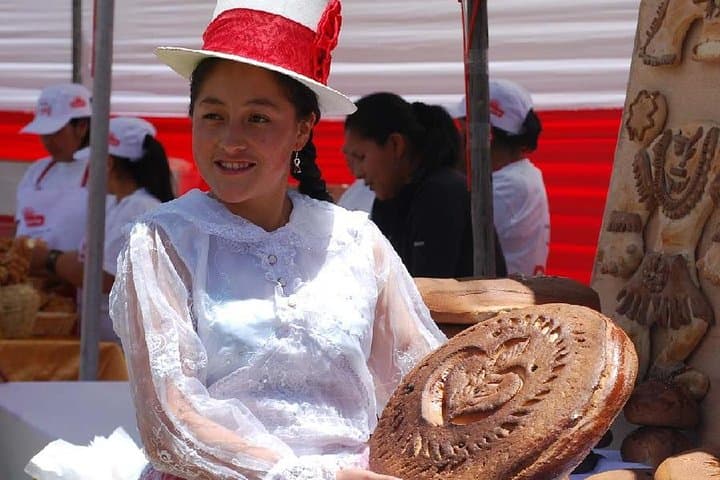
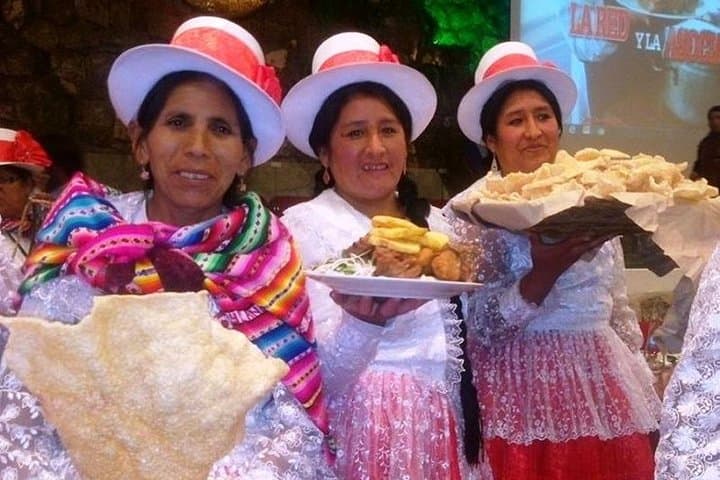
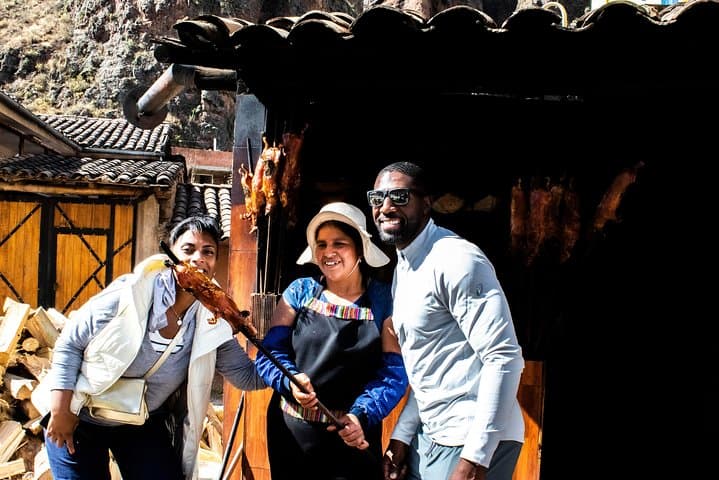
You leave Cusco mid-morning and the city’s stones slide behind you as the highland air thins and the valley opens. The first stop is Oropesa, where rustic wood-fired ovens and the scent of baking rise like a local invitation; bakers pull apart the oversized Chuta bread in long, deliberate tugs. A short drive later, copper pans and sizzling fat announce Saylla’s chicharronerías, where fried pork is both daily ritual and regional economy. Ten minutes more and Tipón’s smoke and clay ovens reveal cuyerías preparing guinea pig the traditional way—earthy, direct, and centered on family recipes.
You leave Cusco mid-morning and the city’s stones slide behind you as the highland air thins and the valley opens. The first stop is Oropesa, where rustic wood-fired ovens and the scent of baking rise like a local invitation; bakers pull apart the oversized Chuta bread in long, deliberate tugs. A short drive later, copper pans and sizzling fat announce Saylla’s chicharronerías, where fried pork is both daily ritual and regional economy. Ten minutes more and Tipón’s smoke and clay ovens reveal cuyerías preparing guinea pig the traditional way—earthy, direct, and centered on family recipes.
This loop traces small-town food economies rooted in Quechua and colonial practices: Oropesa’s Chuta (from the Quechua verb to pull), Saylla’s multi‑generation chicharronerías, and Tipón’s oven-roasted cuy alongside agricultural terraces and pre-Columbian irrigation engineering. The route crosses volcanic highland soils and irrigated fields, offering quick window views of terraced slopes and Andean pasture.
Practical side: the tour is four hours by vehicle with short, flat walks in town centers—expect simple streets and steps rather than long hikes. Elevation is high (Cusco ~3,400 m), so acclimatize before sampling rich, fried dishes. Bring sun protection, a light warm layer, and cash for small purchases at family-run bakeries and food stalls. If you travel in the rainy season, pack a compact rain shell; in dry months mornings can be sharply cool. The pace is relaxed but food-forward: arrive hungry, move deliberately, and let local hosts guide tastings and stories.