THE ADVENTURE COLLECTIVE® · Independent discovery and booking for outdoor travel

Cross the ferry from Klaipėda and spend six hours moving between wind-carved dunes, pine forests and UNESCO-listed villages on the Curonian Spit. Visit Nida, Juodkrantė, the Parnidžio Dune and amber exhibits on this compact coastal day tour.
Cross the ferry from Klaipėda and spend six hours moving between wind-carved dunes, pine forests and UNESCO-listed villages on the Curonian Spit. Visit Nida, Juodkrantė, the Parnidžio Dune and amber exhibits on this compact coastal day tour.
You step off the Klaipėda ferry into a narrow ribbon of sand and pine where the Baltic and the lagoon press close on either side.
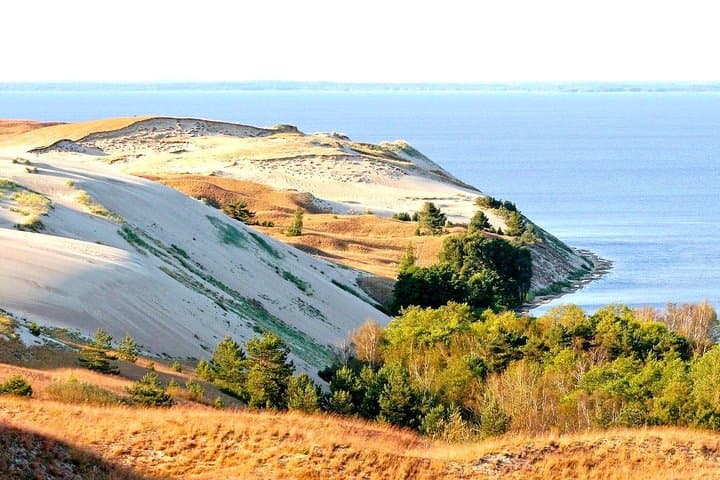
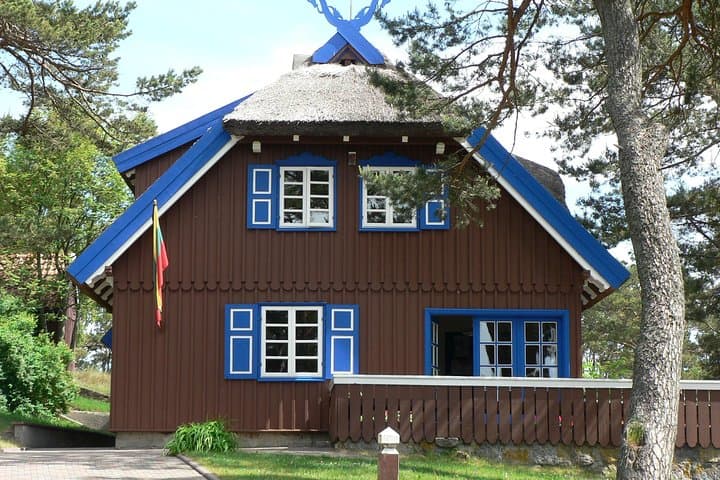
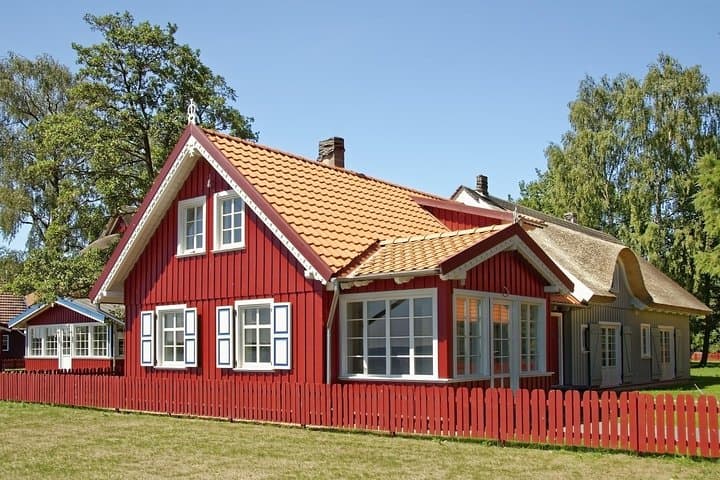
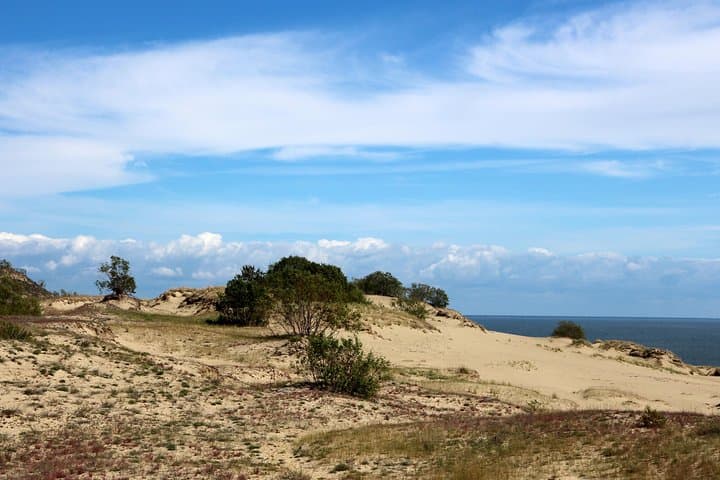
Wind moves the dunes like slow water; a minibus hums along a single road that threads through 83% forest cover, and the smell of resin and salt hangs in the air. Over six hours you'll thread between Juodkrantė's carved-oak Witch Mountain, the sweeping face of Parnidžio Dune, and the tidy villas of Nida where Thomas Mann once summered.
Geologically, the Curonian Spit is a migrating sand spit formed from glacial deposits and coastal currents—dunes here are semi-shifting, sculpted by wind and human stabilisation. Culturally the spit holds a layered history of Prussian, Lithuanian and German influences; Nida’s fishing houses and the Thomas Mann Memorial Museum reflect a 19th–20th century seaside life now protected as a UNESCO cultural landscape.
Expect amber displays and small museums, a seaside stretch for a quick swim in summer, and observation platforms with wide lagoon-and-sea views. The itinerary moves steadily: short walks, photo stops, and time for a museum visit.
Practical guidance: bring comfortable walking shoes, windproof layers and a water bottle; many dune trails are exposed and sandy. Ferry timing and local eco-fees are part of the tour; pickup in Klaipėda is included. Respect marked paths—walking on active dunes damages vegetation used to stabilise sand. For a compact day trip, this is a high-value introduction to one of northern Europe’s most unusual coastal landscapes.
Verified experiences and guided adventures in the surrounding area.
Operated by Travel in Baltics · Nida, Klaipėda County
You step off the Klaipėda ferry into a narrow ribbon of sand and pine where the Baltic and the lagoon press close on either side.
Wind moves the dunes like slow water; a minibus hums along a single road that threads through 83% forest cover, and the smell of resin and salt hangs in the air. Over six hours you'll thread between Juodkrantė's carved-oak Witch Mountain, the sweeping face of Parnidžio Dune, and the tidy villas of Nida where Thomas Mann once summered.
Geologically, the Curonian Spit is a migrating sand spit formed from glacial deposits and coastal currents—dunes here are semi-shifting, sculpted by wind and human stabilisation. Culturally the spit holds a layered history of Prussian, Lithuanian and German influences; Nida’s fishing houses and the Thomas Mann Memorial Museum reflect a 19th–20th century seaside life now protected as a UNESCO cultural landscape.
Expect amber displays and small museums, a seaside stretch for a quick swim in summer, and observation platforms with wide lagoon-and-sea views. The itinerary moves steadily: short walks, photo stops, and time for a museum visit.
Practical guidance: bring comfortable walking shoes, windproof layers and a water bottle; many dune trails are exposed and sandy. Ferry timing and local eco-fees are part of the tour; pickup in Klaipėda is included. Respect marked paths—walking on active dunes damages vegetation used to stabilise sand. For a compact day trip, this is a high-value introduction to one of northern Europe’s most unusual coastal landscapes.
easy.
6 hours.
Suitable for casual walkers who can manage short stretches of sandy uphill and downhill terrain
The tour lasts about 6 hours and includes minibus transport, ferry crossing, an English/German/Russian/Lithuanian guide, eco-fee, and stop admissions as specified (e.g., Thomas Mann Memorial Museum).
Yes—during summer the itinerary typically includes a short beach stop for a swim or walk on the sandy shore, weather permitting.
An eco-fee to enter the Curonian Spit is included in the tour inclusions, so no additional entrance fee should be required on the day of the trip.
The tour is listed as physically easy and family-friendly, but dunes and uneven paths can be difficult for those with limited mobility; check pickup and specific accessibility needs with the operator.
The Curonian Spit has been shaped by coastal currents and human settlement for centuries; its villages reflect Baltic and Teutonic influences and it became a UNESCO cultural landscape in 2000.
The spit is a protected national park—stick to paths, avoid removing amber or driftwood, and follow local guidance to limit dune erosion and protect nesting birds.
Travel in Baltics operates guided outdoor trips and adventures with an emphasis on safety, stewardship, and memorable experiences.
You step off the Klaipėda ferry into a narrow ribbon of sand and pine where the Baltic and the lagoon press close on either side.
Wind moves the dunes like slow water; a minibus hums along a single road that threads through 83% forest cover, and the smell of resin and salt hangs in the air. Over six hours you'll thread between Juodkrantė's carved-oak Witch Mountain, the sweeping face of Parnidžio Dune, and the tidy villas of Nida where Thomas Mann once summered.
Geologically, the Curonian Spit is a migrating sand spit formed from glacial deposits and coastal currents—dunes here are semi-shifting, sculpted by wind and human stabilisation. Culturally the spit holds a layered history of Prussian, Lithuanian and German influences; Nida’s fishing houses and the Thomas Mann Memorial Museum reflect a 19th–20th century seaside life now protected as a UNESCO cultural landscape.
Expect amber displays and small museums, a seaside stretch for a quick swim in summer, and observation platforms with wide lagoon-and-sea views. The itinerary moves steadily: short walks, photo stops, and time for a museum visit.
Practical guidance: bring comfortable walking shoes, windproof layers and a water bottle; many dune trails are exposed and sandy. Ferry timing and local eco-fees are part of the tour; pickup in Klaipėda is included. Respect marked paths—walking on active dunes damages vegetation used to stabilise sand. For a compact day trip, this is a high-value introduction to one of northern Europe’s most unusual coastal landscapes.
You step off the Klaipėda ferry into a narrow ribbon of sand and pine where the Baltic and the lagoon press close on either side.
Wind moves the dunes like slow water; a minibus hums along a single road that threads through 83% forest cover, and the smell of resin and salt hangs in the air. Over six hours you'll thread between Juodkrantė's carved-oak Witch Mountain, the sweeping face of Parnidžio Dune, and the tidy villas of Nida where Thomas Mann once summered.
Geologically, the Curonian Spit is a migrating sand spit formed from glacial deposits and coastal currents—dunes here are semi-shifting, sculpted by wind and human stabilisation. Culturally the spit holds a layered history of Prussian, Lithuanian and German influences; Nida’s fishing houses and the Thomas Mann Memorial Museum reflect a 19th–20th century seaside life now protected as a UNESCO cultural landscape.
Expect amber displays and small museums, a seaside stretch for a quick swim in summer, and observation platforms with wide lagoon-and-sea views. The itinerary moves steadily: short walks, photo stops, and time for a museum visit.
Practical guidance: bring comfortable walking shoes, windproof layers and a water bottle; many dune trails are exposed and sandy. Ferry timing and local eco-fees are part of the tour; pickup in Klaipėda is included. Respect marked paths—walking on active dunes damages vegetation used to stabilise sand. For a compact day trip, this is a high-value introduction to one of northern Europe’s most unusual coastal landscapes.