THE ADVENTURE COLLECTIVE® · Independent discovery and booking for outdoor travel

Spend a focused day on Crete’s limestone cliffs with a coached rock climbing course tailored to every level. Expect hands-on rope work, technique drills, and guided climbs on routes chosen for your skills and the day’s conditions.
Spend a focused day on Crete’s limestone cliffs with a coached rock climbing course tailored to every level. Expect hands-on rope work, technique drills, and guided climbs on routes chosen for your skills and the day’s conditions.
The morning wind off the Mediterranean tastes of salt and limestone dust. You meet your guide at a flexible rendezvous point — a small coastal car park or an olive-terraced trailhead, depending on conditions — and for the next six hours the island’s cliffs become a classroom.
Verified experiences and guided adventures in the surrounding area.
Operated by Enjoy Crete · Heraklion, Crete
The morning wind off the Mediterranean tastes of salt and limestone dust. You meet your guide at a flexible rendezvous point — a small coastal car park or an olive-terraced trailhead, depending on conditions — and for the next six hours the island’s cliffs become a classroom.
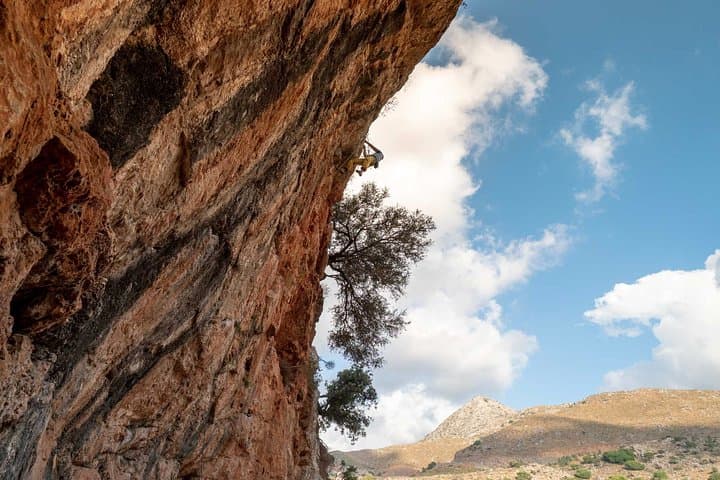
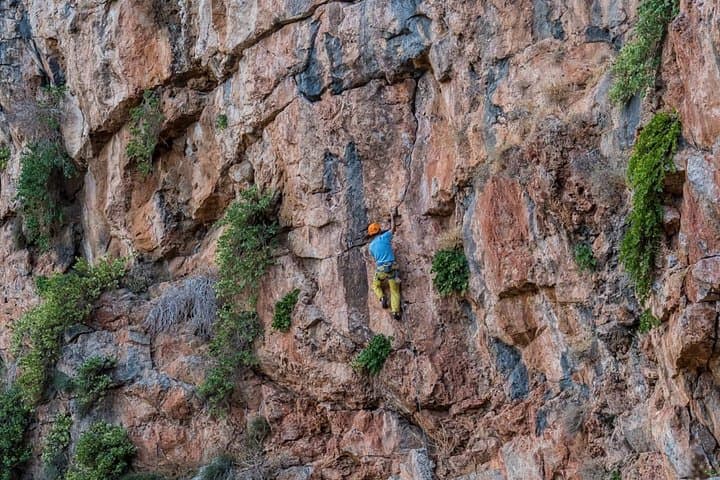
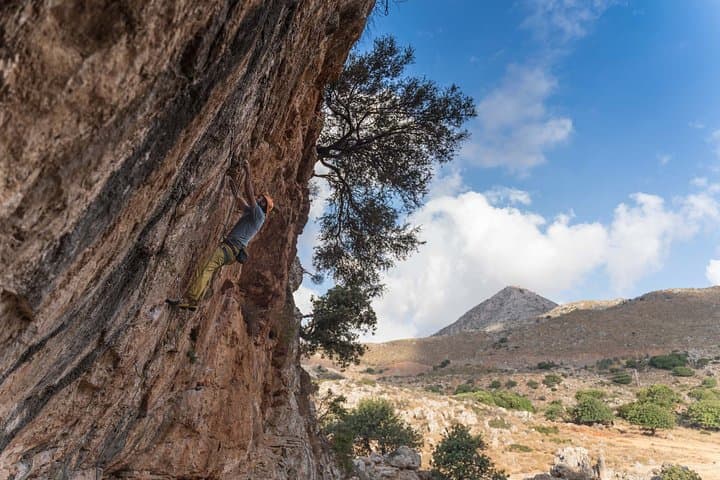
Climbing in Crete reads like a geological primer: steep, compact limestone sculpted by tectonic uplift and millennia of Mediterranean weather. Routes range from short, technical crags that teach body positioning to long, exposed pitches that demand route-reading and efficient rope work. The operators tailor the day to the group, pairing beginners with easy, confidence-building top-ropes and pushing stronger climbers toward lead coaching and trad basics — the company even notes they can guide up to French 8b for very experienced clients.
Culturally, climbing here moves at local pace. Villages flanking the crags are older than many modern states; stone terraces and olive groves tell a story of human adaptation to steep ground. Between belays you’ll pass shepherd tracks and scrub oaks, and if you listen, gulls and the occasional buzzard cut through the coastal air.
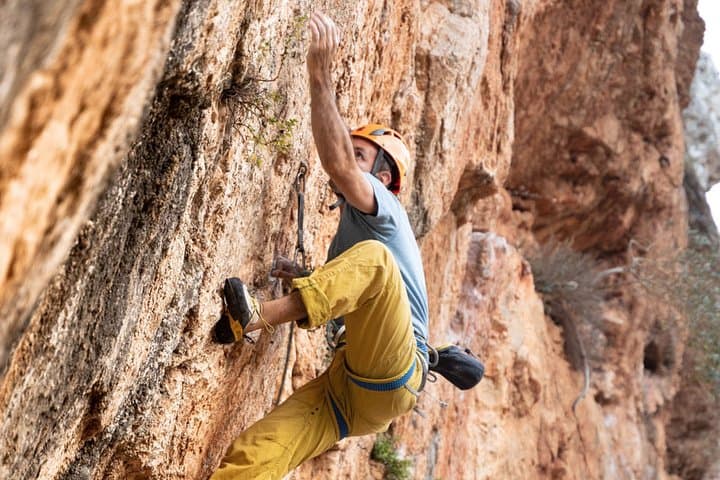
The course is practical and incremental: expect teaching on knots, belaying, movement technique, fall management and route tactics, with plenty of hands-on reps. Equipment — harness, shoes, helmet, ropes and protection where required — is provided. Families with children aged six and up are welcome, and groups top out at eight on shared sessions, which keeps instructor-to-student ratios friendly.
Plan for a full day outdoors. Crete’s sun is blunt; bring 2–3 liters of water, sunscreen, and layered clothing for wind near the cliffs. Approach paths can be loose and uneven—light approach shoes make transitions faster than sandals. If you’re aiming to learn lead climbing, be clear about your experience when you book so the guide can allocate a suitable crag.
Logistics are simple but specific: meeting points change with weather and group locations, so contact the operator after booking. Note health restrictions — not recommended for people with serious back or heart conditions or pregnancy. All sales are final and tours may cancel for bad weather.
This course is best for travelers who want focused technical coaching with local context: you’ll leave with clearer movement, safer rope practice, and a firmer sense of how to read limestone on exposed terrain. Whether you’re introducing a child to climbing or sharpening lead tactics before a big alpine trip, Crete’s compact, varied cliffs make an efficient and memorable learning ground.
moderate.
6 hours.
Suitable for people with average fitness; expect multiple short approaches and sustained standing/belaying.
Sessions typically start around 10:00 and run roughly six hours, finishing in the early evening; exact meeting points vary by group and weather and will be confirmed after booking.
No — the course is suitable for complete beginners through very experienced climbers; guides tailor the day to skill levels and goals.
Yes — full climbing equipment including harnesses, helmets, ropes and a selection of shoes is provided, though you may bring your own gear if preferred.
Yes — families with children aged six and up are welcome, but staff will adapt routes and supervision accordingly.
The operator may cancel the day for adverse conditions; their policy notes trips are canceled for bad weather and all sales are final.
Shared sessions cap at eight participants to maintain good instructor access and safety.
Crete’s limestone cliffs are part of the island’s uplifted karst landscape; local stone terraces reflect centuries of shepherding and terrace agriculture around climbing areas.
Stay on established access paths and avoid chalking fragile rock surfaces; many crags sit near sensitive habitats and follow local access rules to protect vegetation and nesting birds.
Enjoy Crete operates guided outdoor trips and adventures with an emphasis on safety, stewardship, and memorable experiences.
The morning wind off the Mediterranean tastes of salt and limestone dust. You meet your guide at a flexible rendezvous point — a small coastal car park or an olive-terraced trailhead, depending on conditions — and for the next six hours the island’s cliffs become a classroom.
The morning wind off the Mediterranean tastes of salt and limestone dust. You meet your guide at a flexible rendezvous point — a small coastal car park or an olive-terraced trailhead, depending on conditions — and for the next six hours the island’s cliffs become a classroom.
Climbing in Crete reads like a geological primer: steep, compact limestone sculpted by tectonic uplift and millennia of Mediterranean weather. Routes range from short, technical crags that teach body positioning to long, exposed pitches that demand route-reading and efficient rope work. The operators tailor the day to the group, pairing beginners with easy, confidence-building top-ropes and pushing stronger climbers toward lead coaching and trad basics — the company even notes they can guide up to French 8b for very experienced clients.
Culturally, climbing here moves at local pace. Villages flanking the crags are older than many modern states; stone terraces and olive groves tell a story of human adaptation to steep ground. Between belays you’ll pass shepherd tracks and scrub oaks, and if you listen, gulls and the occasional buzzard cut through the coastal air.
The course is practical and incremental: expect teaching on knots, belaying, movement technique, fall management and route tactics, with plenty of hands-on reps. Equipment — harness, shoes, helmet, ropes and protection where required — is provided. Families with children aged six and up are welcome, and groups top out at eight on shared sessions, which keeps instructor-to-student ratios friendly.
Plan for a full day outdoors. Crete’s sun is blunt; bring 2–3 liters of water, sunscreen, and layered clothing for wind near the cliffs. Approach paths can be loose and uneven—light approach shoes make transitions faster than sandals. If you’re aiming to learn lead climbing, be clear about your experience when you book so the guide can allocate a suitable crag.
Logistics are simple but specific: meeting points change with weather and group locations, so contact the operator after booking. Note health restrictions — not recommended for people with serious back or heart conditions or pregnancy. All sales are final and tours may cancel for bad weather.
This course is best for travelers who want focused technical coaching with local context: you’ll leave with clearer movement, safer rope practice, and a firmer sense of how to read limestone on exposed terrain. Whether you’re introducing a child to climbing or sharpening lead tactics before a big alpine trip, Crete’s compact, varied cliffs make an efficient and memorable learning ground.