THE ADVENTURE COLLECTIVE® · Independent discovery and booking for outdoor travel

Learn the Tiffany stained-glass technique in a four-hour Brooklyn studio session. Cut, foil, and solder your own one-of-a-kind panel while guided by experienced instructors.
Learn the Tiffany stained-glass technique in a four-hour Brooklyn studio session. Cut, foil, and solder your own one-of-a-kind panel while guided by experienced instructors.
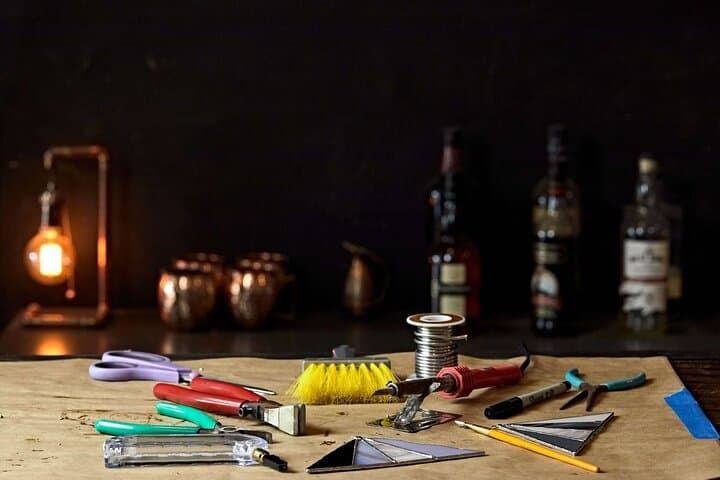
Stepping into the studio on a narrow Brooklyn side street, the first thing you notice is the light — sunlight sluicing through sample panes, picking out ridges of lead and the matte glow of opalescent greens and ambers. The teacher gestures to a table scattered with glass offcuts and templates; for the next four hours the city’s noise is a distant drum while you strip shape from sheet and coax color into a form you can hold.
Verified experiences and guided adventures in the surrounding area.
Operated by Craftsman Ave · Brooklyn, New York
Stepping into the studio on a narrow Brooklyn side street, the first thing you notice is the light — sunlight sluicing through sample panes, picking out ridges of lead and the matte glow of opalescent greens and ambers. The teacher gestures to a table scattered with glass offcuts and templates; for the next four hours the city’s noise is a distant drum while you strip shape from sheet and coax color into a form you can hold.
Stained glass has roots in medieval Europe and evolved into the Tiffany and Arts & Crafts movements of the late 19th century; this workshop teaches the Tiffany technique — cutting glass, grinding edges, copper-foiling, and soldering. Brooklyn’s long artisan tradition and repurposed industrial spaces make it a natural home for craft classrooms where contemporary makers mix old techniques with fresh design.
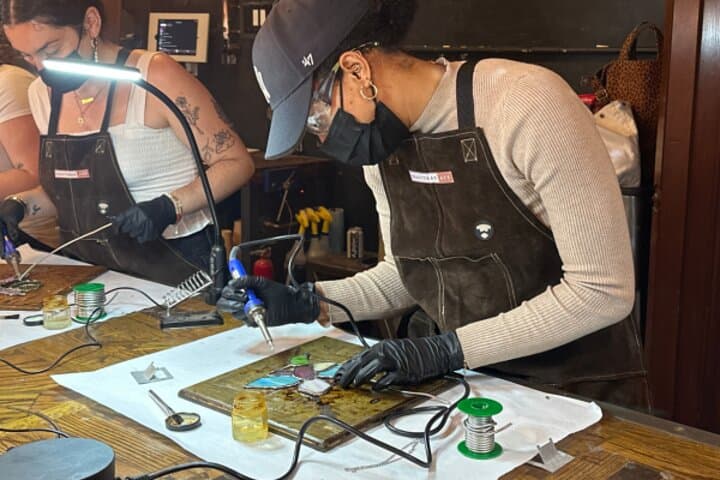
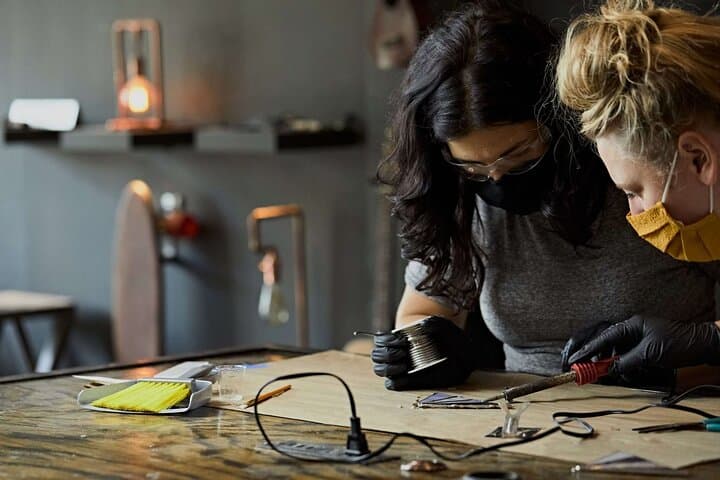
Expect concrete floors, well-ventilated solder stations, and safety gear. The work is tactile and deliberate: measuring templates, snapping glass, then filing until pieces fit like a puzzle. You’ll leave with a small panel — suitable for a window or wall — and the basic vocabulary to continue at home.
Practical matters: wear closed-toe shoes, bring a small sketch or reference photo if you have one, and budget time for cool-down and cleanup. Public transit will drop you nearby; parking is limited. Whether you come for a creative afternoon or a new hands-on skill, the workshop turns glass, light, and patience into a personal artifact of Brooklyn’s maker scene.
easy.
3–4 hours.
Light physical activity: standing for periods and moderate hand strength for cutting and grinding
No — the workshop is designed for beginners and covers all steps from cutting to soldering with instructor guidance.
Yes — the class is structured so most participants complete a small panel to take home by the end of the four hours.
Yes — the listing notes wheelchair accessibility; contact the provider for specific entrance or station needs.
Yes — glass, foiling, solder, and protective gear are provided and included in the session fee.
Stained glass techniques trace back centuries; the Tiffany copper-foiling method became popular in the late 1800s and is the basis for many studio classes today.
Studios commonly recycle glass offcuts and follow lead-safety and fume-ventilation practices; ask about recycling and material sourcing to minimize waste.
Craftsman Ave operates guided outdoor trips and adventures with an emphasis on safety, stewardship, and memorable experiences.
Stepping into the studio on a narrow Brooklyn side street, the first thing you notice is the light — sunlight sluicing through sample panes, picking out ridges of lead and the matte glow of opalescent greens and ambers. The teacher gestures to a table scattered with glass offcuts and templates; for the next four hours the city’s noise is a distant drum while you strip shape from sheet and coax color into a form you can hold.
Stepping into the studio on a narrow Brooklyn side street, the first thing you notice is the light — sunlight sluicing through sample panes, picking out ridges of lead and the matte glow of opalescent greens and ambers. The teacher gestures to a table scattered with glass offcuts and templates; for the next four hours the city’s noise is a distant drum while you strip shape from sheet and coax color into a form you can hold.
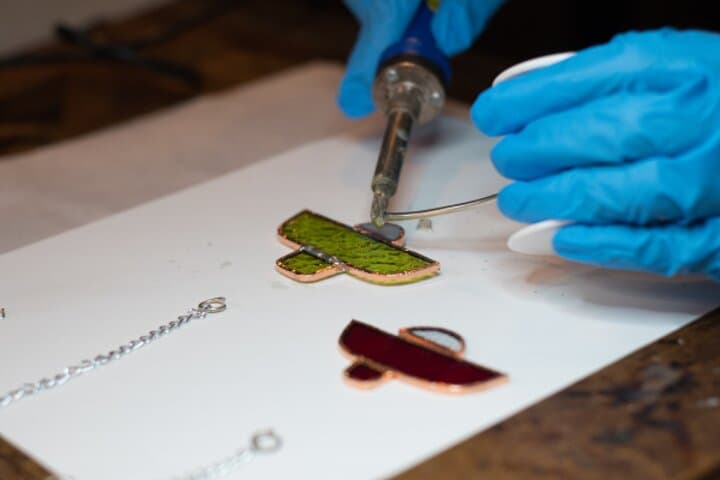
Stained glass has roots in medieval Europe and evolved into the Tiffany and Arts & Crafts movements of the late 19th century; this workshop teaches the Tiffany technique — cutting glass, grinding edges, copper-foiling, and soldering. Brooklyn’s long artisan tradition and repurposed industrial spaces make it a natural home for craft classrooms where contemporary makers mix old techniques with fresh design.
Expect concrete floors, well-ventilated solder stations, and safety gear. The work is tactile and deliberate: measuring templates, snapping glass, then filing until pieces fit like a puzzle. You’ll leave with a small panel — suitable for a window or wall — and the basic vocabulary to continue at home.
Practical matters: wear closed-toe shoes, bring a small sketch or reference photo if you have one, and budget time for cool-down and cleanup. Public transit will drop you nearby; parking is limited. Whether you come for a creative afternoon or a new hands-on skill, the workshop turns glass, light, and patience into a personal artifact of Brooklyn’s maker scene.