THE ADVENTURE COLLECTIVE® · Independent discovery and booking for outdoor travel

Glide through limestone towers, snorkel a WWII skeleton wreck, and feel Barracuda Lake’s thermocline shift beneath you. This 6–8 hour island-hopping tour around Coron packs dramatic geology, rich marine life and accessible diving into one full-day circuit.
Glide through limestone towers, snorkel a WWII skeleton wreck, and feel Barracuda Lake’s thermocline shift beneath you. This 6–8 hour island-hopping tour around Coron packs dramatic geology, rich marine life and accessible diving into one full-day circuit.
The day begins before the harbor wakes: an outboard hum, the slap of clear water against the boat’s hull and the air already warm with salt and sun. As your banca slips between steep limestone silhouettes, the landscape narrows into soaring cliffs and sudden turquoise bowls — and you can feel the day arranging itself around the water.
Verified experiences and guided adventures in the surrounding area.
Operated by Corazon Travel and Tours · Coron, Palawan
The day begins before the harbor wakes: an outboard hum, the slap of clear water against the boat’s hull and the air already warm with salt and sun. As your banca slips between steep limestone silhouettes, the landscape narrows into soaring cliffs and sudden turquoise bowls — and you can feel the day arranging itself around the water.
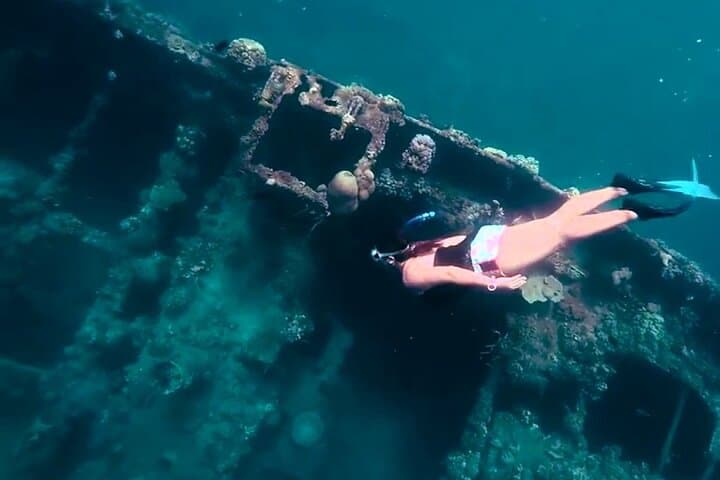
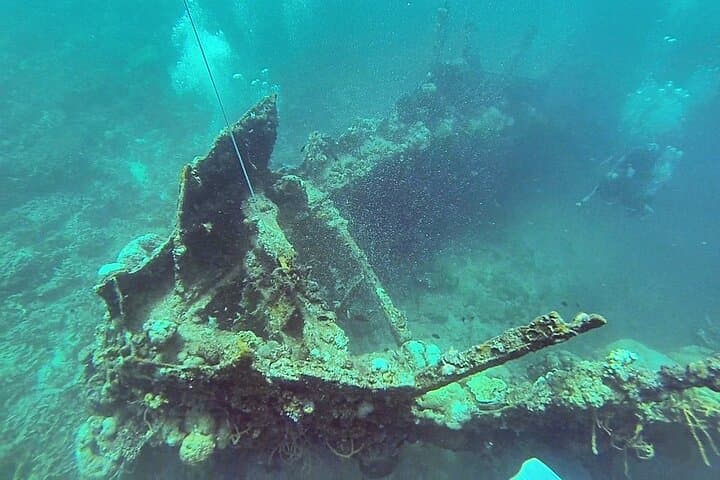
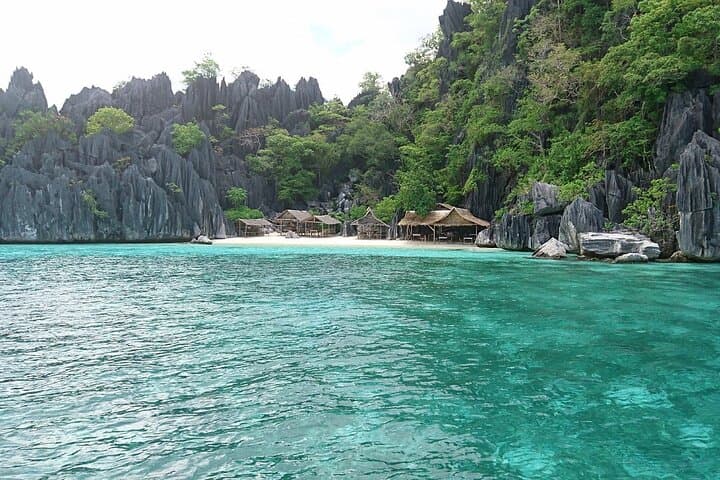
This is Coron’s classic Island Hopping Tour B: a compact circuit that stitches together a WWII skeleton wreck, the eerie thermocline of Barracuda Lake, the shaded powder of Smith Beach, reef gardens and the narrow doorway of Twin Lagoon. The Japanese supply ship, half-submerged and shallow, reads like a history lesson beneath glassy seas; fish spiral through its ribs and corals have colonized its plates. Barracuda Lake shifts the rules of swimming — a dramatic thermocline drops like a cool curtain, and divers speak of entering warm skin-water then slipping into an almost electric coldness as they descend through layers.
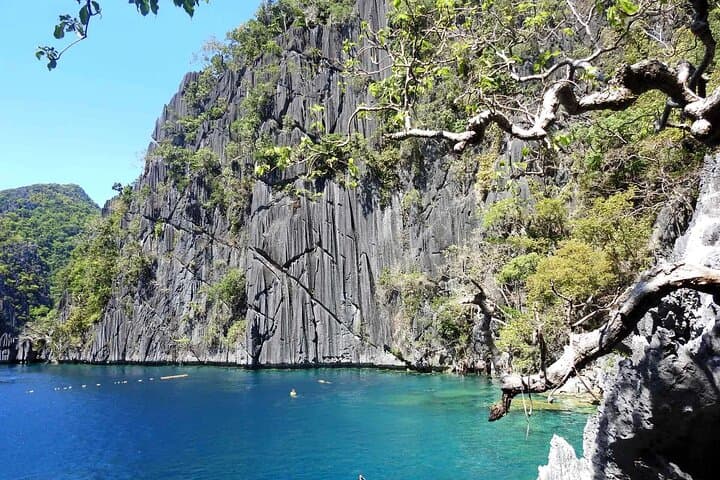
Geology here is blunt: karst limestone towers rise from the sea, millimetered with holes and caves, sculpted by millennia of wind and wave. The islands hold layers of World War II memory — wrecks that are now reefs — and a fishing culture that still reads the seasons by swell and moon.
Locally, these sites are managed with a mixture of small-boat entrepreneurship and community oversight. Guides know tides, low- and high- water passages into lagoons, and where to anchor off reefs without scouring them. Lunch is usually a simple seafood-and-rice meal prepared by the crew, served at a quiet sandbar or under a grove of coconut trees.
Practical guide: the shared tour runs roughly 6–8 hours including hotel pickup, and it’s best started early to catch calmer seas and clearer water for snorkeling. Bring a mask you trust — rental gear is available but personal fit matters for clearer underwater photos. Reef-safe sunscreen and a water shoe protect your feet and the coral. Be prepared for swims between boat and shore; a basic level of swimming ability is required and the operator notes that the tour is not recommended for pregnant travelers or those with major spinal or cardiovascular issues.
Timing and weather matter: during the wet months, seas get rough and some lagoons become difficult to access. If you want fewer people at Twin Lagoon, aim for the first departures. Cameras: midday sun gives the best underwater color; golden hour softens the cliffs for silhouette shots. Entrance fees and lunch are included, but bring some cash for small purchases on Coron town’s waterfront.
Coron’s islands reward anyone who comes prepared: move with the tide, stay light, and let the water — from warm surface to cool thermocline — set the rhythm of your day.
moderate.
6–8 hours.
You should have moderate fitness and be comfortable swimming short distances; expect repeated snorkel sessions and some boat-to-shore transfers.
Most operators provide snorkel sets and some fins, but fit varies; bring your own mask if you prefer a reliable seal and clearer view.
Participants should be comfortable in the water; non-swimmers can usually join but must stay near flotation devices and notify the crew in advance.
Yes — this tour includes entrance fees to the sites listed and a prepared lunch served during the trip.
Children can join if they can swim and follow safety instructions; infants and very young children may require a private boat for safety and comfort.
The operator may cancel or reschedule tours in rough seas or heavy rain; the cancellation policy allows full refunds if made 24 hours prior or if weather causes cancellation.
Pickups are arranged from most hotels in Coron town; if you’re outside town you may be asked to meet at Lualhati Park or the main port — confirm your pickup when booking.
Several wrecks around Coron are remnants of World War II naval clashes; over time these steel skeletons have become living reefs and informal underwater museums.
Respect local marine rules: avoid touching coral, use reef-safe sunscreen and follow guides’ anchoring advice to minimize reef damage.
Corazon Travel and Tours operates guided outdoor trips and adventures with an emphasis on safety, stewardship, and memorable experiences.
The day begins before the harbor wakes: an outboard hum, the slap of clear water against the boat’s hull and the air already warm with salt and sun. As your banca slips between steep limestone silhouettes, the landscape narrows into soaring cliffs and sudden turquoise bowls — and you can feel the day arranging itself around the water.
The day begins before the harbor wakes: an outboard hum, the slap of clear water against the boat’s hull and the air already warm with salt and sun. As your banca slips between steep limestone silhouettes, the landscape narrows into soaring cliffs and sudden turquoise bowls — and you can feel the day arranging itself around the water.
This is Coron’s classic Island Hopping Tour B: a compact circuit that stitches together a WWII skeleton wreck, the eerie thermocline of Barracuda Lake, the shaded powder of Smith Beach, reef gardens and the narrow doorway of Twin Lagoon. The Japanese supply ship, half-submerged and shallow, reads like a history lesson beneath glassy seas; fish spiral through its ribs and corals have colonized its plates. Barracuda Lake shifts the rules of swimming — a dramatic thermocline drops like a cool curtain, and divers speak of entering warm skin-water then slipping into an almost electric coldness as they descend through layers.
Geology here is blunt: karst limestone towers rise from the sea, millimetered with holes and caves, sculpted by millennia of wind and wave. The islands hold layers of World War II memory — wrecks that are now reefs — and a fishing culture that still reads the seasons by swell and moon.
Locally, these sites are managed with a mixture of small-boat entrepreneurship and community oversight. Guides know tides, low- and high- water passages into lagoons, and where to anchor off reefs without scouring them. Lunch is usually a simple seafood-and-rice meal prepared by the crew, served at a quiet sandbar or under a grove of coconut trees.
Practical guide: the shared tour runs roughly 6–8 hours including hotel pickup, and it’s best started early to catch calmer seas and clearer water for snorkeling. Bring a mask you trust — rental gear is available but personal fit matters for clearer underwater photos. Reef-safe sunscreen and a water shoe protect your feet and the coral. Be prepared for swims between boat and shore; a basic level of swimming ability is required and the operator notes that the tour is not recommended for pregnant travelers or those with major spinal or cardiovascular issues.
Timing and weather matter: during the wet months, seas get rough and some lagoons become difficult to access. If you want fewer people at Twin Lagoon, aim for the first departures. Cameras: midday sun gives the best underwater color; golden hour softens the cliffs for silhouette shots. Entrance fees and lunch are included, but bring some cash for small purchases on Coron town’s waterfront.
Coron’s islands reward anyone who comes prepared: move with the tide, stay light, and let the water — from warm surface to cool thermocline — set the rhythm of your day.