THE ADVENTURE COLLECTIVE® · Independent discovery and booking for outdoor travel

A one-day private journey from La Paz to Copacabana and Isla del Sol across Lake Titicaca. Expect Inca steps, the Inca Fountain, Pilcocaina ruins, and sweeping high-altitude views on a 14–15 hour day.
A one-day private journey from La Paz to Copacabana and Isla del Sol across Lake Titicaca. Expect Inca steps, the Inca Fountain, Pilcocaina ruins, and sweeping high-altitude views on a 14–15 hour day.
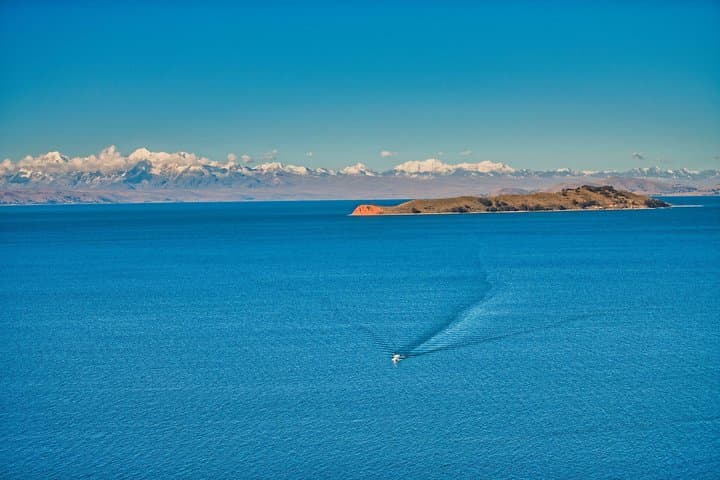
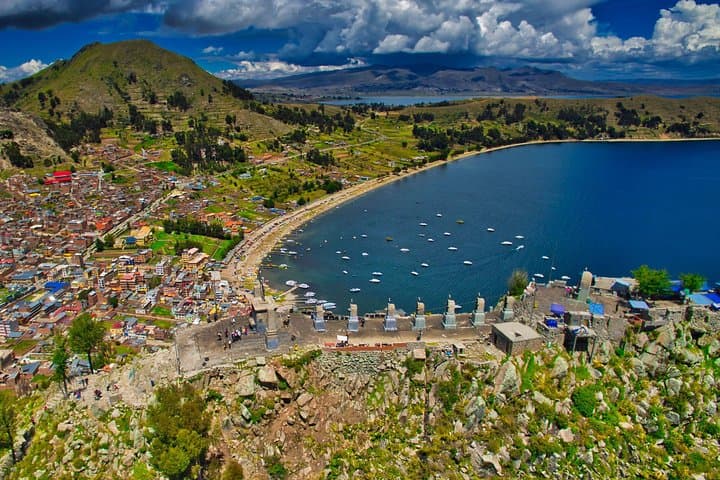
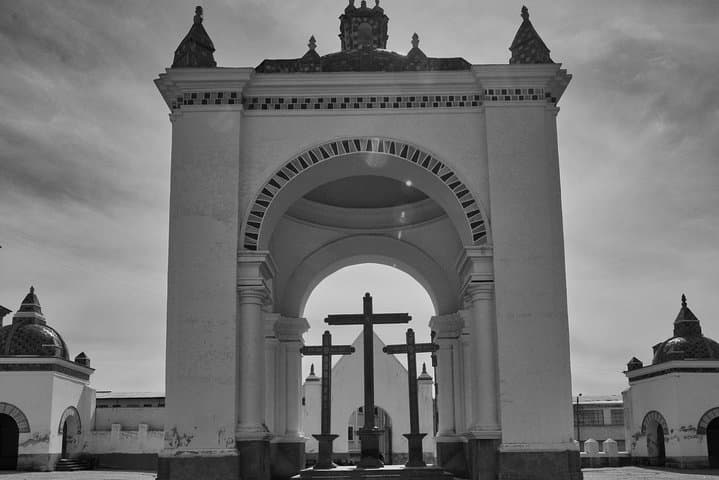
The morning air in La Paz is thin and sharp; by the time the minivan drops you on the shore in Copacabana the lake has already claimed a slow light that glows against stone and reed. Fishermen push off in narrow boats, and the town’s small basilica—its blue-domed chapel—sits like a human compass pointing to centuries of pilgrimage. You cross Lake Titicaca in a low, steady boat: the water seems to dare you with its size and altitude, pushing the shorelines into distant, clean horizons.
Verified experiences and guided adventures in the surrounding area.
Operated by Andes 2 Amazon · Copacabana, La Paz
The morning air in La Paz is thin and sharp; by the time the minivan drops you on the shore in Copacabana the lake has already claimed a slow light that glows against stone and reed. Fishermen push off in narrow boats, and the town’s small basilica—its blue-domed chapel—sits like a human compass pointing to centuries of pilgrimage. You cross Lake Titicaca in a low, steady boat: the water seems to dare you with its size and altitude, pushing the shorelines into distant, clean horizons.
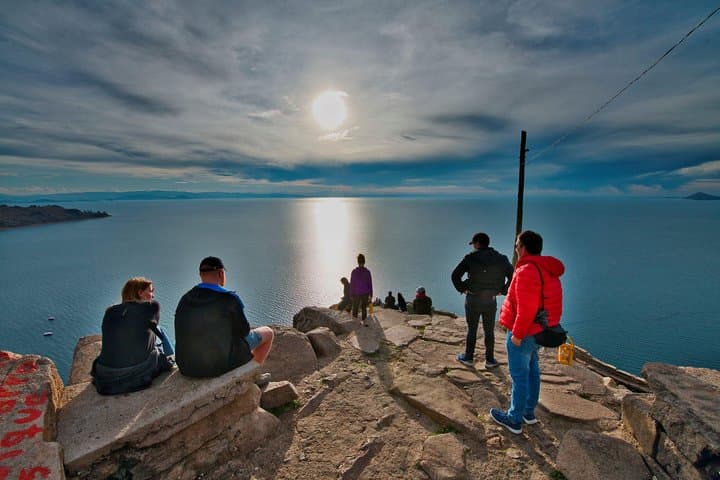
Isla del Sol arrives like a raised island of carved stone and terraced earth. The first steps are literal Inca steps—narrow, irregular stairs worn smooth by centuries of feet—that climb toward the island's spine. Walkers stop at the Inca Fountain to sip cold mountain water that local legend calls sacred; then the route continues toward Pilcocaina, a compact ruin often called the Temple of the Sun. From that ridge the lake spreads outward, its surface a fractured mirror, and the main island of Titicaca reads like a low, living silhouette on the horizon.
This place is as much culture as geology. Lake Titicaca is one of the highest navigable lakes in the world, formed by tectonic basins and glacial carving; its shores are the meeting ground of Aymara and Quechua communities whose rituals and weaving patterns remain visible in village markets and chapel altars. The ruins on Isla del Sol were part of Inca pilgrimage networks; the temple platforms and agricultural terraces still follow practical lines of drainage and stonework that reveal an economy tied to altitude and sun exposure.
Locals run small, family-run eateries around Copacabana and Yumani: meals are straightforward—trout from the lake, potatoes, quinoa stews—and a hot lunch halfway through the day feels earned. The walk to Pilcocaina is short but steep, so altitude and footing shape the pace more than distance.
Practical guidance: this is a long day—expect 14 to 15 hours from La Paz with pickups and returns—so acclimatize in La Paz for 48 hours and plan for high-altitude exertion. Wear sturdy shoes with a good grip for stone steps and terraces, and layer for quick temperature swings between sun and wind. Bring at least 2 liters of water, sunscreen, and cash for small village purchases; boats and sites are remote and services are limited. If you struggle with steep steps or have cardiovascular concerns, choose a slower pace or shorter route on the island. Guided private service typically includes bilingual guides, lunch, and boat transfers, so use that time to ask about local histories and sustainable practices.
The route rewards patience: the climb points your body toward broad, honest views of one of the world’s most singular lakes, and the stonework quietly reminds you why human movement across high places feels both pragmatic and devotional.
moderate.
14–15 hours.
Good stamina for a long day at high altitude; able to manage steep, uneven stone steps and short climbs.
The panoramic boat crossing is about 1½ hours each way depending on weather and route chosen.
Yes—guided visits include time at the Inca Fountain and the Pilcocaina ruins; expect several short hikes totaling moderate exertion.
Not recommended—stone steps and uneven terrain make sections challenging; contact the operator for alternative options.
Basic facilities exist in Yumani and Copacabana; boat toilets may be limited—carry tissues and hand sanitizer.
Symptoms can appear even in fit travelers; rest before the trip, stay hydrated, and descend if symptoms worsen—notify your guide immediately.
Pickup is offered in La Paz; arrange with the operator if you prefer to meet in Copacabana or start locally.
Isla del Sol was a key Inca pilgrimage site and contains sun-temples and terraces aligned with agrarian calendars.
Tourism here is small-scale; stick to marked paths, avoid single-use plastics, and support local vendors to keep economic benefits local.
Andes 2 Amazon operates guided outdoor trips and adventures with an emphasis on safety, stewardship, and memorable experiences.
The morning air in La Paz is thin and sharp; by the time the minivan drops you on the shore in Copacabana the lake has already claimed a slow light that glows against stone and reed. Fishermen push off in narrow boats, and the town’s small basilica—its blue-domed chapel—sits like a human compass pointing to centuries of pilgrimage. You cross Lake Titicaca in a low, steady boat: the water seems to dare you with its size and altitude, pushing the shorelines into distant, clean horizons.
The morning air in La Paz is thin and sharp; by the time the minivan drops you on the shore in Copacabana the lake has already claimed a slow light that glows against stone and reed. Fishermen push off in narrow boats, and the town’s small basilica—its blue-domed chapel—sits like a human compass pointing to centuries of pilgrimage. You cross Lake Titicaca in a low, steady boat: the water seems to dare you with its size and altitude, pushing the shorelines into distant, clean horizons.
Isla del Sol arrives like a raised island of carved stone and terraced earth. The first steps are literal Inca steps—narrow, irregular stairs worn smooth by centuries of feet—that climb toward the island's spine. Walkers stop at the Inca Fountain to sip cold mountain water that local legend calls sacred; then the route continues toward Pilcocaina, a compact ruin often called the Temple of the Sun. From that ridge the lake spreads outward, its surface a fractured mirror, and the main island of Titicaca reads like a low, living silhouette on the horizon.
This place is as much culture as geology. Lake Titicaca is one of the highest navigable lakes in the world, formed by tectonic basins and glacial carving; its shores are the meeting ground of Aymara and Quechua communities whose rituals and weaving patterns remain visible in village markets and chapel altars. The ruins on Isla del Sol were part of Inca pilgrimage networks; the temple platforms and agricultural terraces still follow practical lines of drainage and stonework that reveal an economy tied to altitude and sun exposure.
Locals run small, family-run eateries around Copacabana and Yumani: meals are straightforward—trout from the lake, potatoes, quinoa stews—and a hot lunch halfway through the day feels earned. The walk to Pilcocaina is short but steep, so altitude and footing shape the pace more than distance.
Practical guidance: this is a long day—expect 14 to 15 hours from La Paz with pickups and returns—so acclimatize in La Paz for 48 hours and plan for high-altitude exertion. Wear sturdy shoes with a good grip for stone steps and terraces, and layer for quick temperature swings between sun and wind. Bring at least 2 liters of water, sunscreen, and cash for small village purchases; boats and sites are remote and services are limited. If you struggle with steep steps or have cardiovascular concerns, choose a slower pace or shorter route on the island. Guided private service typically includes bilingual guides, lunch, and boat transfers, so use that time to ask about local histories and sustainable practices.
The route rewards patience: the climb points your body toward broad, honest views of one of the world’s most singular lakes, and the stonework quietly reminds you why human movement across high places feels both pragmatic and devotional.