THE ADVENTURE COLLECTIVE® · Independent discovery and booking for outdoor travel

Cross Lake Titicaca by boat, climb the ancient Inca steps on Isla del Sol, drink from the famed Inca Fountain, and stand above the ruins of Pilcocaina with sweeping views of the lake. This full-day from La Paz blends archaeological intrigue with a demanding high‑altitude walk.
Cross Lake Titicaca by boat, climb the ancient Inca steps on Isla del Sol, drink from the famed Inca Fountain, and stand above the ruins of Pilcocaina with sweeping views of the lake. This full-day from La Paz blends archaeological intrigue with a demanding high‑altitude walk.
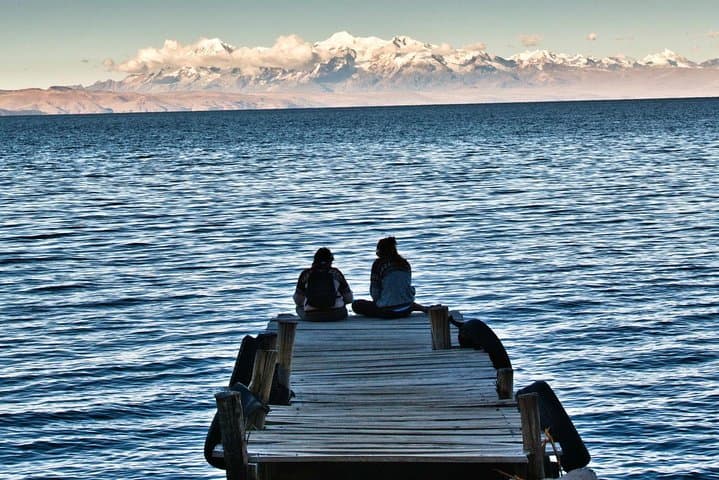
The day begins before dawn on the shore of Lake Titicaca, the water a flat, iron-gray mirror that seems to hold the sky in place. You step onto a low motorboat and the lake wakes with a huff—currents nudging the bow, gulls interrogating the wake—and the city of Copacabana recedes into a ribbon of red roofs and whitewashed church towers. An hour and a half later the boat eases into the pebble beach of Isla del Sol, where stone steps worn by the Inca rise immediately into the sun.
Verified experiences and guided adventures in the surrounding area.
Operated by Andes 2 Amazon · Copacabana, La Paz
The day begins before dawn on the shore of Lake Titicaca, the water a flat, iron-gray mirror that seems to hold the sky in place. You step onto a low motorboat and the lake wakes with a huff—currents nudging the bow, gulls interrogating the wake—and the city of Copacabana recedes into a ribbon of red roofs and whitewashed church towers. An hour and a half later the boat eases into the pebble beach of Isla del Sol, where stone steps worn by the Inca rise immediately into the sun.
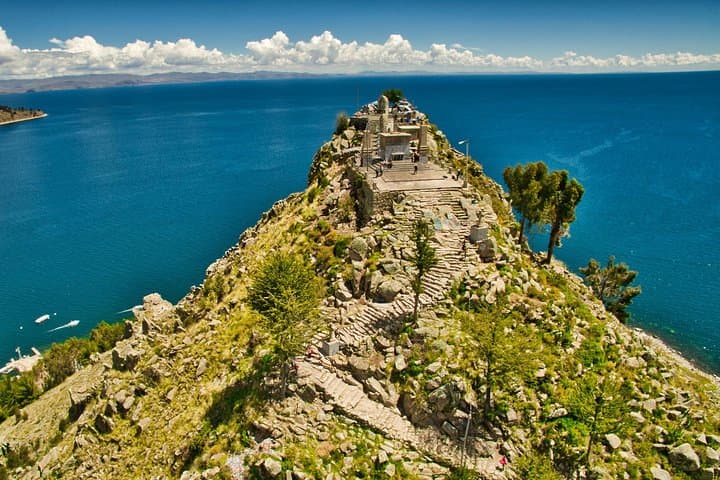
Walking the steps is a physical conversation with history: each block carries a footprint, each ledge a story. The route climbs toward Pilcocaina, the Temple of the Sun, where the ridge opens to one of Titicaca’s broadest views—water threading islands and coves like pale veins. The fountain revered by locals as the Inca’s Spring still runs clear, and guides will point out carved niches and terraces that remind you this island was once a crucible of Andean cosmology.
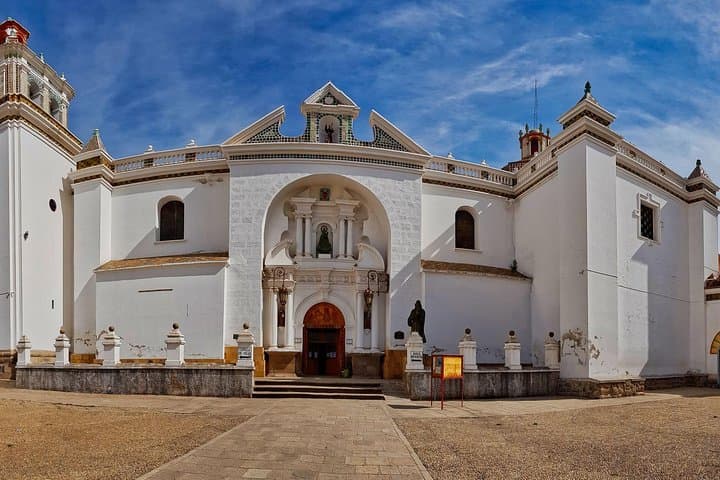
Geologically, Titicaca is a high plateau lake sitting at roughly 3,800–3,900 meters; the shoreline and islands are carved from uplifted sediments and ancient volcanic deposits, so expect a mix of steep stone and looser scree on paths. Culturally, Copacabana is both pilgrimage town and tourist hub: the basilica draws Bolivian devotees, while artisanal markets sell bright knitwear and reed crafts from Lake communities.
The trip is long—about 15 hours from La Paz with hotel pickup and return that same night—but purposeful: bilingual guides lead the landing, a lakeside lunch is included, and transit between Copacabana and Isla del Sol is via scenic boat. The walk up to Pilcocaina is the day’s hardest section; it’s not technical but it is sustained uphill at high altitude, so breathing will be the bell that times your steps.
Practicalities: hydrate before you leave La Paz, carry extra water, and allow your pace to match the altitude. Wear sturdy hiking shoes with a good sole for uneven stone and a light waterproof layer—weather on Titicaca can flip from fierce sun to cold wind within an hour. Bring cash for small purchases in Copacabana and a camera with spare battery; cold reduces battery life.
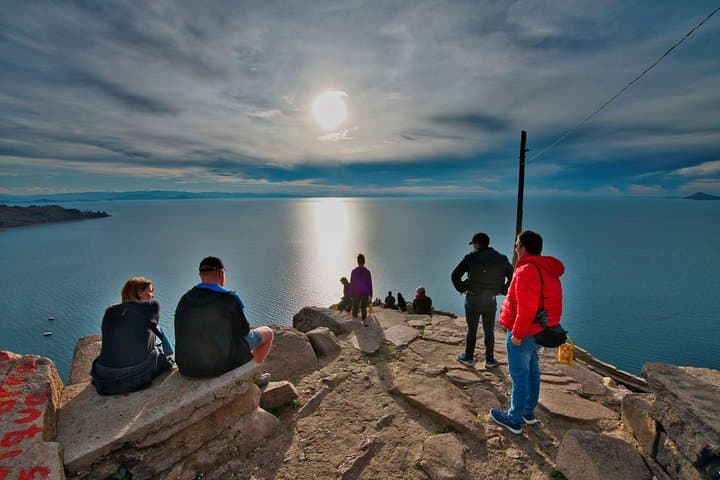
For photographers and curious travelers the rewards are straightforward: expansive panoramas, close-up details of Inca masonry, and moments of quiet on wind-swept terraces. The route is suitable for travelers of average fitness who respect the altitude. Expect a full day of walking, taking in ruins, and returning to the hum of La Paz at night, the lake having dared you to keep moving and given up a few of its secrets in exchange.
moderate.
15 hours.
Moderate fitness with ability to walk uphill at high altitude; expect sustained climbs and steps.
The boat ride is approximately 1.5 hours each way, offering panoramic views and open-lake wind exposure.
Yes—this tour includes a lakeside lunch as part of the itinerary.
The route is physically demanding due to steep Inca steps and high altitude; it’s suitable for most reasonably fit travelers but not for those with heart or severe mobility issues.
Altitude sickness is possible—drink water, avoid heavy meals before the hike, ascend slowly, and consider acclimatization days in La Paz or medication after consulting a doctor.
A specialized bilingual guide (Spanish/English) is included on the tour.
Pickups are arranged in La Paz; the tour returns to La Paz—typically arriving back at the main bus station late evening (around 22:00).
Isla del Sol was an important sacred site in pre-Columbian Andean cosmology; Pilcocaina served ceremonial functions tied to the Inca sun cult.
Tourism here is high-impact on fragile soils and archaeological sites; stick to marked paths, avoid touching ruins, and use local guides to support community-based conservation.
Andes 2 Amazon operates guided outdoor trips and adventures with an emphasis on safety, stewardship, and memorable experiences.
The day begins before dawn on the shore of Lake Titicaca, the water a flat, iron-gray mirror that seems to hold the sky in place. You step onto a low motorboat and the lake wakes with a huff—currents nudging the bow, gulls interrogating the wake—and the city of Copacabana recedes into a ribbon of red roofs and whitewashed church towers. An hour and a half later the boat eases into the pebble beach of Isla del Sol, where stone steps worn by the Inca rise immediately into the sun.
The day begins before dawn on the shore of Lake Titicaca, the water a flat, iron-gray mirror that seems to hold the sky in place. You step onto a low motorboat and the lake wakes with a huff—currents nudging the bow, gulls interrogating the wake—and the city of Copacabana recedes into a ribbon of red roofs and whitewashed church towers. An hour and a half later the boat eases into the pebble beach of Isla del Sol, where stone steps worn by the Inca rise immediately into the sun.
Walking the steps is a physical conversation with history: each block carries a footprint, each ledge a story. The route climbs toward Pilcocaina, the Temple of the Sun, where the ridge opens to one of Titicaca’s broadest views—water threading islands and coves like pale veins. The fountain revered by locals as the Inca’s Spring still runs clear, and guides will point out carved niches and terraces that remind you this island was once a crucible of Andean cosmology.
Geologically, Titicaca is a high plateau lake sitting at roughly 3,800–3,900 meters; the shoreline and islands are carved from uplifted sediments and ancient volcanic deposits, so expect a mix of steep stone and looser scree on paths. Culturally, Copacabana is both pilgrimage town and tourist hub: the basilica draws Bolivian devotees, while artisanal markets sell bright knitwear and reed crafts from Lake communities.
The trip is long—about 15 hours from La Paz with hotel pickup and return that same night—but purposeful: bilingual guides lead the landing, a lakeside lunch is included, and transit between Copacabana and Isla del Sol is via scenic boat. The walk up to Pilcocaina is the day’s hardest section; it’s not technical but it is sustained uphill at high altitude, so breathing will be the bell that times your steps.
Practicalities: hydrate before you leave La Paz, carry extra water, and allow your pace to match the altitude. Wear sturdy hiking shoes with a good sole for uneven stone and a light waterproof layer—weather on Titicaca can flip from fierce sun to cold wind within an hour. Bring cash for small purchases in Copacabana and a camera with spare battery; cold reduces battery life.
For photographers and curious travelers the rewards are straightforward: expansive panoramas, close-up details of Inca masonry, and moments of quiet on wind-swept terraces. The route is suitable for travelers of average fitness who respect the altitude. Expect a full day of walking, taking in ruins, and returning to the hum of La Paz at night, the lake having dared you to keep moving and given up a few of its secrets in exchange.