THE ADVENTURE COLLECTIVE® · Independent discovery and booking for outdoor travel

A half-day catamaran excursion from Cancun or Playa del Carmen that pairs two reef snorkels with a guided visit to Isla Contoy — a protected Caribbean cay known for clear water, bird colonies, and limited daily visitors. Learn what to bring, how the island is managed, and how to make the most of this marine-first day trip.
A half-day catamaran excursion from Cancun or Playa del Carmen that pairs two reef snorkels with a guided visit to Isla Contoy — a protected Caribbean cay known for clear water, bird colonies, and limited daily visitors. Learn what to bring, how the island is managed, and how to make the most of this marine-first day trip.
Salt spray mists the foredeck as the catamaran slips out from the Cancun marina, the shoreline shrinking into a smear of palms and white concrete. On the horizon a thin green island appears — Contoy — a small, strictly protected limestone cay that refuses crowds and demands quiet. Guides call it a living laboratory: a thread of sand ringed by reef, a rookery for terns and pelicans, and a shallow coral garden that dares you into the water.
Verified experiences and guided adventures in the surrounding area.
Operated by Open Vacations · Isla Mujeres, Quintana Roo
Salt spray mists the foredeck as the catamaran slips out from the Cancun marina, the shoreline shrinking into a smear of palms and white concrete. On the horizon a thin green island appears — Contoy — a small, strictly protected limestone cay that refuses crowds and demands quiet. Guides call it a living laboratory: a thread of sand ringed by reef, a rookery for terns and pelicans, and a shallow coral garden that dares you into the water.
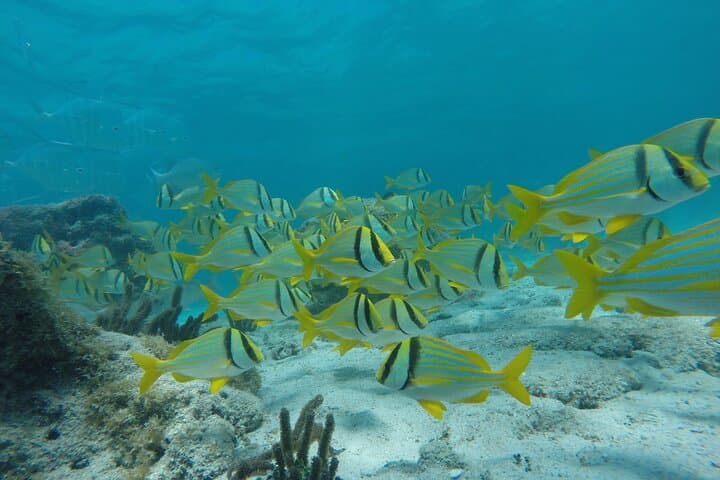
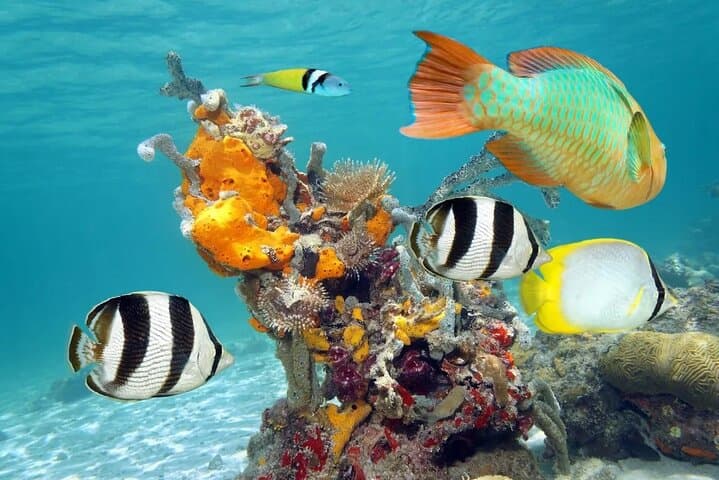
The route usually begins with a stop at Ixlache Reef, where masked faces bob over seagrass and parrotfish graze in plain sight. Then the boat navigates the current toward Contoy. Visitors are led by bilingual certified guides through the island's restricted paths: a short wildlife walk focused on bird colonies, dunes, and the small visitor platform rather than commercial development. Time on the island is measured in sun, surf and an afternoon Mexican buffet that tastes better after a morning of salt and snorkel.
Geologically Contoy is a remnant of the Yucatán's karst coastline — a low-lying accumulation of aeolian sands over limestone — protected because its rhythm of tides and coral has been intact for generations. Ecologically, the island is a stopover for migratory birds and an important nesting ground for certain species; the surrounding reef is an extension of the Mesoamerican Barrier Reef, the Caribbean's dominant underwater architecture.
Culturally the itinerary brushes past local threads: Isla Mujeres' relaxed fishing-town vibe during the return stop, the echo of Mayan place names, and fishermen who still ply the inshore banks. Contoy's protection started in the 1960s and today visitor numbers are capped — that limitation is part of the attraction and the responsibility.
Practical guidance: the trip runs about six hours and includes round transportation from Cancun or Playa del Carmen, snorkel gear and guides. There’s a dock tax (about $20 USD per person) and an $18 transportation fee for infants; non-swimmers, children under 8 and guests over 60 may be restricted from some snorkel sections. Bring reef-safe sunscreen, a towel, sturdy water shoes for boat gangways, and a refillable water bottle — dehydration on the deck happens faster than you think. The captain and crew assess weather; tours are canceled for safety with refunds available if conditions are poor.
For photographers, the reef and low-angle afternoon light reward wide lenses; bird colonies are best viewed with a zoom. Remember Contoy's rules: no single-use plastics left ashore, no interference with nesting birds, and follow guide instructions when entering the water. The island feels alive — dunes shifting like slow waves, currents nudging the boat home — and leaving it cleaner than you found it is the clearest way to honor the place.
easy.
6 hours.
Suitable for most fitness levels; participants should be comfortable boarding a boat and able to snorkel or float properly for short periods.
Yes, but visitation is limited daily and tours run seasonally; the island closes for strict conservation periods occasionally — check operator schedules.
No formal experience is required, but you must be comfortable in open water; guides give a basic briefing and provide snorkel equipment.
Children under 8 are generally restricted from some snorkel sections; infants travel with an extra transportation fee and must sit on a lap.
Yes — there is a dock or port tax (approximately $20 USD per person) not always included in the tour price.
Tours are canceled for safety in poor weather; the operator typically offers a refund or rescheduling per their cancellation policy.
Non‑swimmers can join the island visit but may be excluded from certain snorkel stops; inform the operator at booking so guides can plan accordingly.
Contoy has been a protected area since the mid‑20th century to preserve bird nesting grounds and coastal reef systems; the island has minimal human infrastructure by design.
Visitor numbers are capped and strict rules ban collecting, camping, and single‑use plastics — operators enforce guidelines to reduce disturbance to nesting birds and coral.
Open Vacations operates guided outdoor trips and adventures with an emphasis on safety, stewardship, and memorable experiences.
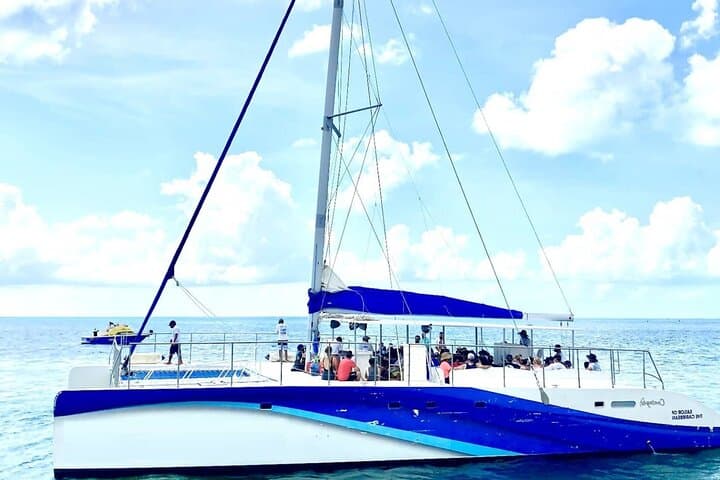
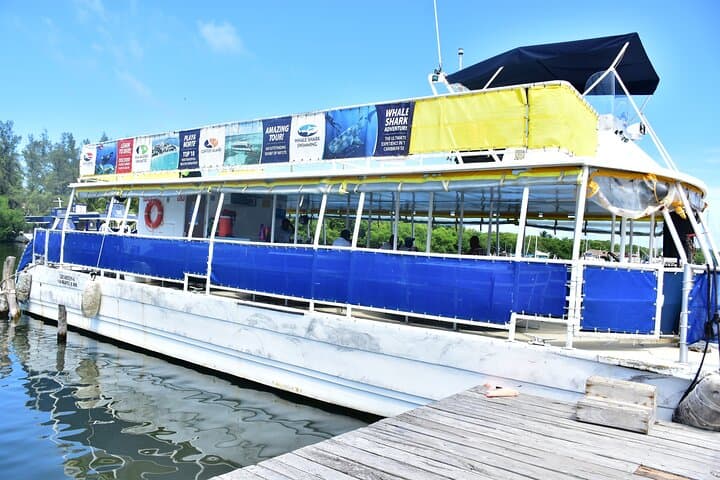
Salt spray mists the foredeck as the catamaran slips out from the Cancun marina, the shoreline shrinking into a smear of palms and white concrete. On the horizon a thin green island appears — Contoy — a small, strictly protected limestone cay that refuses crowds and demands quiet. Guides call it a living laboratory: a thread of sand ringed by reef, a rookery for terns and pelicans, and a shallow coral garden that dares you into the water.
Salt spray mists the foredeck as the catamaran slips out from the Cancun marina, the shoreline shrinking into a smear of palms and white concrete. On the horizon a thin green island appears — Contoy — a small, strictly protected limestone cay that refuses crowds and demands quiet. Guides call it a living laboratory: a thread of sand ringed by reef, a rookery for terns and pelicans, and a shallow coral garden that dares you into the water.
The route usually begins with a stop at Ixlache Reef, where masked faces bob over seagrass and parrotfish graze in plain sight. Then the boat navigates the current toward Contoy. Visitors are led by bilingual certified guides through the island's restricted paths: a short wildlife walk focused on bird colonies, dunes, and the small visitor platform rather than commercial development. Time on the island is measured in sun, surf and an afternoon Mexican buffet that tastes better after a morning of salt and snorkel.
Geologically Contoy is a remnant of the Yucatán's karst coastline — a low-lying accumulation of aeolian sands over limestone — protected because its rhythm of tides and coral has been intact for generations. Ecologically, the island is a stopover for migratory birds and an important nesting ground for certain species; the surrounding reef is an extension of the Mesoamerican Barrier Reef, the Caribbean's dominant underwater architecture.
Culturally the itinerary brushes past local threads: Isla Mujeres' relaxed fishing-town vibe during the return stop, the echo of Mayan place names, and fishermen who still ply the inshore banks. Contoy's protection started in the 1960s and today visitor numbers are capped — that limitation is part of the attraction and the responsibility.
Practical guidance: the trip runs about six hours and includes round transportation from Cancun or Playa del Carmen, snorkel gear and guides. There’s a dock tax (about $20 USD per person) and an $18 transportation fee for infants; non-swimmers, children under 8 and guests over 60 may be restricted from some snorkel sections. Bring reef-safe sunscreen, a towel, sturdy water shoes for boat gangways, and a refillable water bottle — dehydration on the deck happens faster than you think. The captain and crew assess weather; tours are canceled for safety with refunds available if conditions are poor.
For photographers, the reef and low-angle afternoon light reward wide lenses; bird colonies are best viewed with a zoom. Remember Contoy's rules: no single-use plastics left ashore, no interference with nesting birds, and follow guide instructions when entering the water. The island feels alive — dunes shifting like slow waves, currents nudging the boat home — and leaving it cleaner than you found it is the clearest way to honor the place.