THE ADVENTURE COLLECTIVE® · Independent discovery and booking for outdoor travel

A compact four-day trek from Momella Gate to Socialist Peak, Mount Meru combines wildlife-rich forest, alpine desert, and a dramatic sunrise summit with views of Kilimanjaro. Read on for route details and practical planning tips.
A compact four-day trek from Momella Gate to Socialist Peak, Mount Meru combines wildlife-rich forest, alpine desert, and a dramatic sunrise summit with views of Kilimanjaro. Read on for route details and practical planning tips.
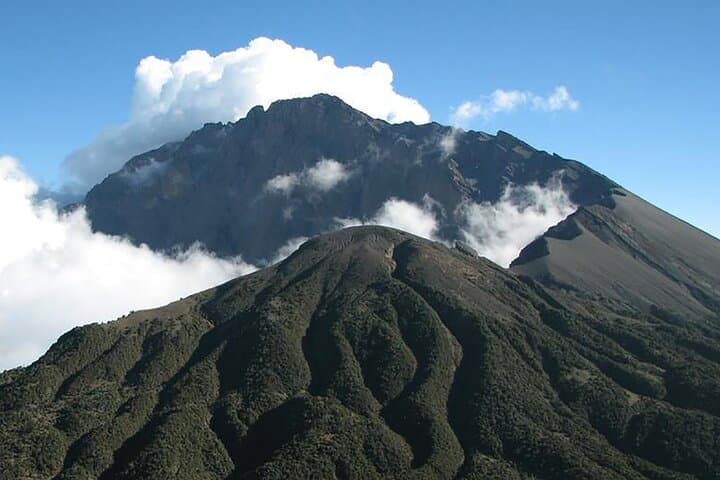
The first light on Mount Meru arrives like a slow exhale: cool, thin air moving across open moorland while the crater rim throws long shadows into the valley below. On a four-day, three-night trek through Arusha National Park, climbers trade traffic for tracks, and hotel lobbies for campsites positioned beneath towering cliffs. The walk begins at Momella Gate (1,500 m), threads through open grassland and montane forest, and finishes at Socialist Peak (4,566 m), whose early sunlit face often frames Kilimanjaro floating on a sea of cloud.
Verified experiences and guided adventures in the surrounding area.
Operated by majali.tours · Arusha, Arusha Region
The first light on Mount Meru arrives like a slow exhale: cool, thin air moving across open moorland while the crater rim throws long shadows into the valley below. On a four-day, three-night trek through Arusha National Park, climbers trade traffic for tracks, and hotel lobbies for campsites positioned beneath towering cliffs. The walk begins at Momella Gate (1,500 m), threads through open grassland and montane forest, and finishes at Socialist Peak (4,566 m), whose early sunlit face often frames Kilimanjaro floating on a sea of cloud.
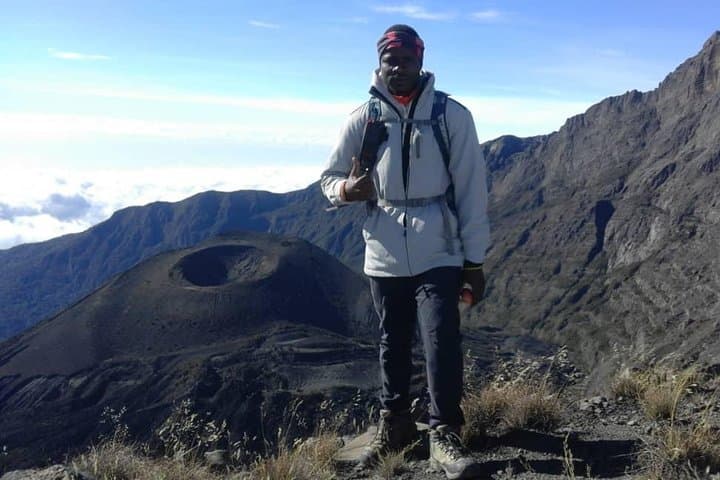
Geology here reads like an active chapter of East Africa's Rift story. Meru is a stratovolcano with a dramatic crater and an ash cone that dominates the inner bowl. Trails move from savanna and acacia to dense montane forest, then through giant heather into alpine desert. That change in vegetation is as much a narrative device as a natural one: every 500–1,000 meters the landscape alters and the air thins.
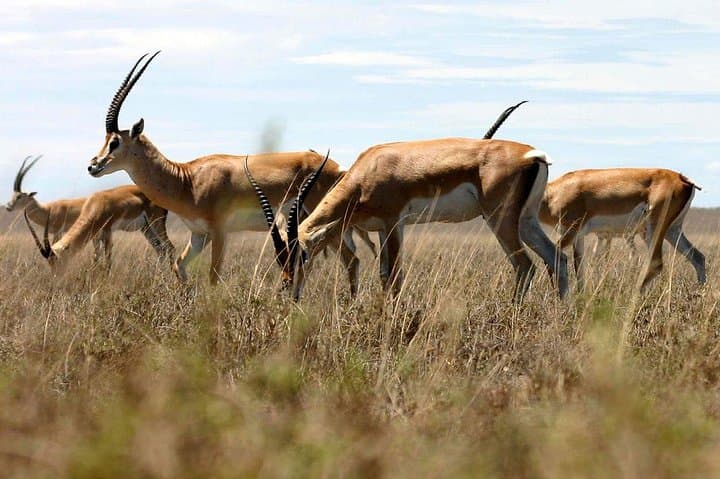
Culturally, the mountain watches over the Maasai hills and the agricultural terraces below. Park rangers—armed, trained, and part of the route—escort parties not as a novelty but as a practical safeguard in a park that still supports wildlife: buffalo, warthogs, colobus monkeys, and occasional elephants. Local guides combine natural history with practical rhythm—polepole, or slow and steady—which is how you earn the summit.
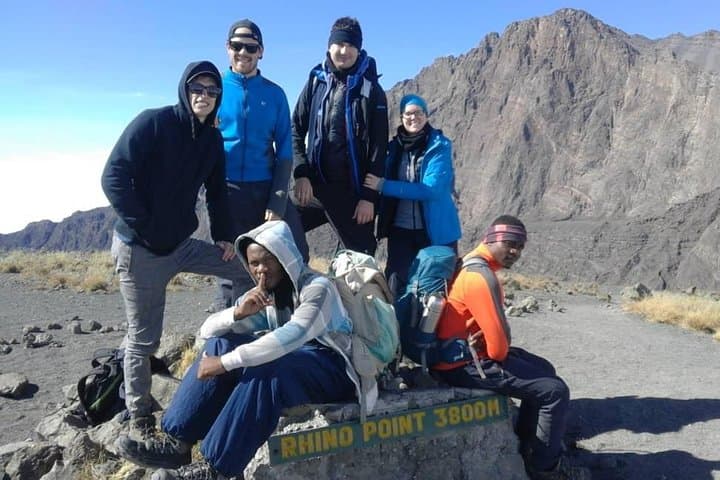
The itinerary is compact and purposeful. Day 1 climbs roughly 1,014 m to Miriakamba Hut (approx. 2,514 m) in 4–6 hours. Day 2 is shorter but steeper to Saddle Hut (about 3,570 m) with an optional acclimatization push to Little Meru (3,820 m). The summit day starts near midnight with a steep ascent to Rhino Point (3,800 m), then Cobra Point (4,350 m) for sunrise before the final ridge to Socialist Peak—expect 9–12 hours on the day, with exposed ridge walking and loose rock.
Practical planning matters: layer strategically for rapid temperature swings, practice walking with a loaded pack, and plan nightly meals and bottled water carefully—saddle hut sources water from a stream 10 minutes away. Porters typically carry group gear, but personal items should be light and weatherproof. Allow time for altitude adjustment and respect the pace set by guides. Wear sturdy, broken-in boots with good ankle support, and bring a headlamp with fresh batteries for the summit push.
On clear mornings, photographers get wide vistas across the Rift and, if lucky, Kilimanjaro’s peak rising above the clouds. On wet days, trails can become slick and visibility tight—so timing and weather checks before departure are essential. For hikers seeking a concentrated, alpine-style summit with real wildlife and serious views, Mount Meru delivers a compact, uncompromising mountain experience.
Expect 9–12 hours with steep sections, exposed ridges, and rocky ground; prior uphill endurance training helps.
Prior experience is helpful but not mandatory—good fitness, careful pacing, and acclimatization on Day 2 reduce risk of altitude issues.
Park fees are typically included by operators; a TANAPA ranger escorts trekkers inside Arusha National Park for safety.
Camping is used on the route with communal tents; operators provide camp setup and group gear carried by porters.
Dry months (June–September and December–February) offer more stable weather and clearer summit views.
The trek is physically demanding and includes a midnight summit push; assess fitness and consult the operator—children and those with cardiovascular issues are generally discouraged.
majali.tours operates guided outdoor trips and adventures with an emphasis on safety, stewardship, and memorable experiences.
The first light on Mount Meru arrives like a slow exhale: cool, thin air moving across open moorland while the crater rim throws long shadows into the valley below. On a four-day, three-night trek through Arusha National Park, climbers trade traffic for tracks, and hotel lobbies for campsites positioned beneath towering cliffs. The walk begins at Momella Gate (1,500 m), threads through open grassland and montane forest, and finishes at Socialist Peak (4,566 m), whose early sunlit face often frames Kilimanjaro floating on a sea of cloud.
The first light on Mount Meru arrives like a slow exhale: cool, thin air moving across open moorland while the crater rim throws long shadows into the valley below. On a four-day, three-night trek through Arusha National Park, climbers trade traffic for tracks, and hotel lobbies for campsites positioned beneath towering cliffs. The walk begins at Momella Gate (1,500 m), threads through open grassland and montane forest, and finishes at Socialist Peak (4,566 m), whose early sunlit face often frames Kilimanjaro floating on a sea of cloud.
Geology here reads like an active chapter of East Africa's Rift story. Meru is a stratovolcano with a dramatic crater and an ash cone that dominates the inner bowl. Trails move from savanna and acacia to dense montane forest, then through giant heather into alpine desert. That change in vegetation is as much a narrative device as a natural one: every 500–1,000 meters the landscape alters and the air thins.
Culturally, the mountain watches over the Maasai hills and the agricultural terraces below. Park rangers—armed, trained, and part of the route—escort parties not as a novelty but as a practical safeguard in a park that still supports wildlife: buffalo, warthogs, colobus monkeys, and occasional elephants. Local guides combine natural history with practical rhythm—polepole, or slow and steady—which is how you earn the summit.
The itinerary is compact and purposeful. Day 1 climbs roughly 1,014 m to Miriakamba Hut (approx. 2,514 m) in 4–6 hours. Day 2 is shorter but steeper to Saddle Hut (about 3,570 m) with an optional acclimatization push to Little Meru (3,820 m). The summit day starts near midnight with a steep ascent to Rhino Point (3,800 m), then Cobra Point (4,350 m) for sunrise before the final ridge to Socialist Peak—expect 9–12 hours on the day, with exposed ridge walking and loose rock.
Practical planning matters: layer strategically for rapid temperature swings, practice walking with a loaded pack, and plan nightly meals and bottled water carefully—saddle hut sources water from a stream 10 minutes away. Porters typically carry group gear, but personal items should be light and weatherproof. Allow time for altitude adjustment and respect the pace set by guides. Wear sturdy, broken-in boots with good ankle support, and bring a headlamp with fresh batteries for the summit push.
On clear mornings, photographers get wide vistas across the Rift and, if lucky, Kilimanjaro’s peak rising above the clouds. On wet days, trails can become slick and visibility tight—so timing and weather checks before departure are essential. For hikers seeking a concentrated, alpine-style summit with real wildlife and serious views, Mount Meru delivers a compact, uncompromising mountain experience.