THE ADVENTURE COLLECTIVE® · Independent discovery and booking for outdoor travel

Embark on a six-day ascent of Africa’s highest peak via the Marangu Route — the most accessible path to Kilimanjaro’s summit. Navigate rainforest, moorland, and frozen ash on a journey blending natural grandeur with pragmatic preparation.
Embark on a six-day ascent of Africa’s highest peak via the Marangu Route — the most accessible path to Kilimanjaro’s summit. Navigate rainforest, moorland, and frozen ash on a journey blending natural grandeur with pragmatic preparation.
The dawn creeps over Kilimanjaro, Africa’s highest peak, casting long shadows on the Marangu Route trailhead as you prepare for a six-day ascent. This path, known as the "Coca-Cola" route, offers the most straightforward and well-trodden gateway to Uhuru Peak, the summit that crowns Kilimanjaro at 5,895 meters.
Verified experiences and guided adventures in the surrounding area.
Operated by Rupia Adventure · Arusha, Arusha Region
The dawn creeps over Kilimanjaro, Africa’s highest peak, casting long shadows on the Marangu Route trailhead as you prepare for a six-day ascent. This path, known as the "Coca-Cola" route, offers the most straightforward and well-trodden gateway to Uhuru Peak, the summit that crowns Kilimanjaro at 5,895 meters.
From the start at Marangu Gate (1,860 m), the trail pulls you into a dense rainforest where the air hums with life and colobus monkeys navigate the canopy with agile precision. This verdant corridor guards the mountain’s secrets before the vegetation thins to open moorland above the treeline. The route maintains a steady, moderate incline — a gradual climb calibrated to ease acclimatization yet demanding persistence.
The trek spans approximately 60 kilometers round-trip with an elevation gain of over 4,000 meters. You’ll spend nights in simple mountain huts like Mandara, Horombo, and Kibo, sparing you the usual camping rigors but still immersing you in raw wilderness.
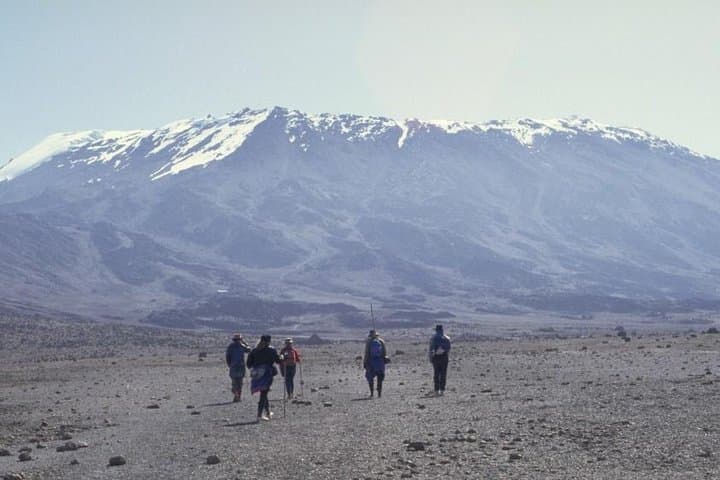
On day three, the trail leads you across the barren saddle, a wind-swept plateau linking Mawenzi and Kibo peaks — albeit a stark landscape, the panoramic view energizes the spirit. The final summit push begins around midnight when frozen lava ash stretches beneath your feet. Ascending through freezing darkness propelled by headlamp beams, you’ll pass landmarks like Hans Meyer Cave before surfacing at Gilman’s Point. Then, as the sun breaches the horizon, the last hour delivers you to Uhuru Peak, standing atop the "Roof of Africa."
The return descent accelerates as thawed ash propels hiking boots downward, retracing the path through moor and rainforest back to Marangu Gate, where celebrations and a hot shower await.
Situated near Arusha, this route combines natural majesty with Tanzanian culture and history. Kilimanjaro’s geological story spans millennia — a dormant stratovolcano carved by glaciers and shaped by shifting climates.
Practically, this trek demands solid fitness and mental resolve. Despite its "easy" reputation among routes, altitude sickness remains a real risk, and the summit day is relentlessly taxing. Hydration, layered clothing, and sturdy boots are essential. The huts provide shelter but simple amenities — prepare for cold nights and sudden weather shifts. Guided climbs are mandatory for safety and to support sustainable tourism.
For those ready to meet Kilimanjaro’s challenge head-on, the Marangu Route offers a direct but deeply rewarding pathway to a summit that defies both altitude and imagination.
challenging.
6 days.
Good cardiovascular fitness and endurance for sustained moderate hiking and one strenuous summit push
No, the Marangu route is considered the easiest on Kilimanjaro, but basic fitness and awareness of altitude sickness symptoms are important.
No, huts provide shelter but are not heated; bring appropriate warm clothing for nighttime temperatures.
June to October and January to March offer the clearest weather windows with less rain and better summit visibility.
Typically the climb is recommended for ages 10 and above with good fitness and health; consult with your guide and doctor beforehand.
Yes, guided treks are mandatory to support safety, logistics, and park regulations.
The tour includes meals served at huts with a focus on high-calorie, balanced food to sustain climbers’ energy demands.
Marangu route was the first developed path on Kilimanjaro and remains the most established, historically used by early explorers.
Guides and porters follow strict park rules to minimize environmental impact, with waste management and trekking limits enforced by Kilimanjaro National Park authorities.
Rupia Adventure operates guided outdoor trips and adventures with an emphasis on safety, stewardship, and memorable experiences.
The dawn creeps over Kilimanjaro, Africa’s highest peak, casting long shadows on the Marangu Route trailhead as you prepare for a six-day ascent. This path, known as the "Coca-Cola" route, offers the most straightforward and well-trodden gateway to Uhuru Peak, the summit that crowns Kilimanjaro at 5,895 meters.
The dawn creeps over Kilimanjaro, Africa’s highest peak, casting long shadows on the Marangu Route trailhead as you prepare for a six-day ascent. This path, known as the "Coca-Cola" route, offers the most straightforward and well-trodden gateway to Uhuru Peak, the summit that crowns Kilimanjaro at 5,895 meters.
From the start at Marangu Gate (1,860 m), the trail pulls you into a dense rainforest where the air hums with life and colobus monkeys navigate the canopy with agile precision. This verdant corridor guards the mountain’s secrets before the vegetation thins to open moorland above the treeline. The route maintains a steady, moderate incline — a gradual climb calibrated to ease acclimatization yet demanding persistence.
The trek spans approximately 60 kilometers round-trip with an elevation gain of over 4,000 meters. You’ll spend nights in simple mountain huts like Mandara, Horombo, and Kibo, sparing you the usual camping rigors but still immersing you in raw wilderness.
On day three, the trail leads you across the barren saddle, a wind-swept plateau linking Mawenzi and Kibo peaks — albeit a stark landscape, the panoramic view energizes the spirit. The final summit push begins around midnight when frozen lava ash stretches beneath your feet. Ascending through freezing darkness propelled by headlamp beams, you’ll pass landmarks like Hans Meyer Cave before surfacing at Gilman’s Point. Then, as the sun breaches the horizon, the last hour delivers you to Uhuru Peak, standing atop the "Roof of Africa."
The return descent accelerates as thawed ash propels hiking boots downward, retracing the path through moor and rainforest back to Marangu Gate, where celebrations and a hot shower await.
Situated near Arusha, this route combines natural majesty with Tanzanian culture and history. Kilimanjaro’s geological story spans millennia — a dormant stratovolcano carved by glaciers and shaped by shifting climates.
Practically, this trek demands solid fitness and mental resolve. Despite its "easy" reputation among routes, altitude sickness remains a real risk, and the summit day is relentlessly taxing. Hydration, layered clothing, and sturdy boots are essential. The huts provide shelter but simple amenities — prepare for cold nights and sudden weather shifts. Guided climbs are mandatory for safety and to support sustainable tourism.
For those ready to meet Kilimanjaro’s challenge head-on, the Marangu Route offers a direct but deeply rewarding pathway to a summit that defies both altitude and imagination.