THE ADVENTURE COLLECTIVE® · Independent discovery and booking for outdoor travel

The Marangu Route offers the most accessible path to Kilimanjaro’s summit, blending the comfort of mountain huts with sweeping panoramas of Tanzania’s diverse ecosystems. This five-day climb challenges both the body and mind, rewarding adventurers with unforgettable high-altitude landscapes and cultural encounters.
The Marangu Route offers the most accessible path to Kilimanjaro’s summit, blending the comfort of mountain huts with sweeping panoramas of Tanzania’s diverse ecosystems. This five-day climb challenges both the body and mind, rewarding adventurers with unforgettable high-altitude landscapes and cultural encounters.
The morning air at Marangu Gate carries a quiet anticipation as climbers set off beneath a canopy of eucalyptus and camphor trees. The trail slips into the dense montane forest where Colobus monkeys weave through branches and birds announce your passage. Marangu Route, known as the "Coca Cola" path for its relative accessibility, unfolds over five days of steady ascent from 6,100 to 19,340 feet, tracing a path across shifting ecosystems and rugged terrain up to the summit of Kilimanjaro, Africa's highest peak.
Verified experiences and guided adventures in the surrounding area.
Operated by Tanzania Joy Tours · Moshi, Kilimanjaro Region
The morning air at Marangu Gate carries a quiet anticipation as climbers set off beneath a canopy of eucalyptus and camphor trees. The trail slips into the dense montane forest where Colobus monkeys weave through branches and birds announce your passage. Marangu Route, known as the "Coca Cola" path for its relative accessibility, unfolds over five days of steady ascent from 6,100 to 19,340 feet, tracing a path across shifting ecosystems and rugged terrain up to the summit of Kilimanjaro, Africa's highest peak.
Beginning at 1,860 meters (6,100 feet), the route carries hikers through rainforest thick with the scent of moss and damp earth. The first day’s 8 kilometers to Mandara Hut rewards with a glimpse of the Maundi Crater—a vantage point revealing panoramic sweeps of northern Tanzania and even Kenya on clear days. Here, solar-powered huts offer communal respite where international climbers trade stories over shared meals.
Day two moves into heathland, climbing 1,000 meters over 12 kilometers to Horombo Hut. Giant lobelias and grounsels guard the path as Kibo and Mawenzi peaks dominate the horizon. Altitude begins to press its presence as breaths shorten, demanding your attention to pace and hydration. Horombo stands as a strategic acclimatization point—a balance between rest and challenge.
On the third day, the hike transitions through alpine desert, shedding vegetation as the environment turns stark and surreal. The 9-kilometer trek from Horombo to Kibo at 4,700 meters (15,500 feet) crosses the saddle between Kilimanjaro’s dormant volcanic cones. Moonlike landscapes dare you onward, the air thinner, cold biting as you prepare for the summit push.
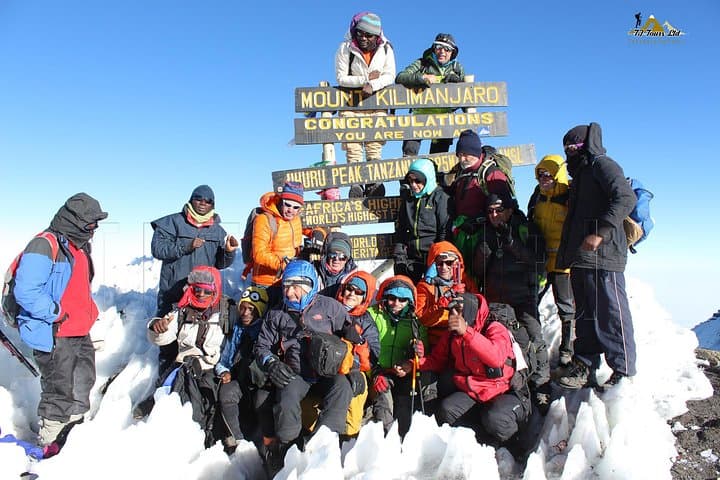
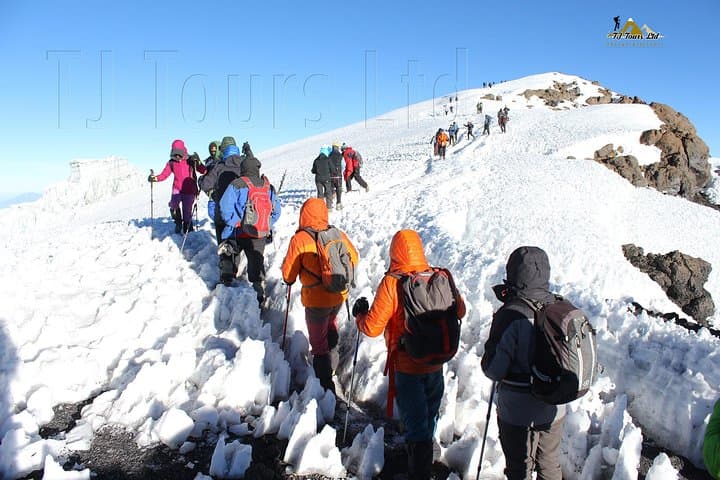
Summit day is a test of resolve. Starting between midnight and 2 a.m., climbers face a grueling 6-kilometer climb through scree and sometimes snow, illuminated only by headlamps. The ascent to Gilman’s Point and onward to Uhuru Peak pushes bodies and minds to their limit, rewarded by one of the world’s most breathtaking dawn views. The descent back to Horombo follows, legs heavy but spirits soaring.
The final day’s descent lasts 4–5 hours, winding down through moorland and rainforest before reaching Marangu Gate, where a vehicle waits to return you to Moshi. Throughout the climb, the eco-conscious management of Kilimanjaro National Park emphasizes preservation, with waste protocols and limits on hikers aimed at protecting this fragile environment.
Marangu’s huts provide an unusual comfort on a high-altitude trek, but preparation remains key—layering for extreme weather, managing altitude sickness, and steady pacing. This route invites those moderately fit and mentally ready to engage with Africa’s roof on a path that balances challenge with civilization’s touch, an introduction to Kilimanjaro’s majesty accessible without sacrificing the thrill of wilderness.
Nearby, Moshi offers a welcoming base with local culture, markets, and guides who enrich the mountain experience. Whether it's the lush forest’s whispers or the alpine desert’s silence, every step on Marangu Route connects climbers with the pulse of Kilimanjaro’s towering presence.
challenging.
5 days.
Moderate to good fitness with endurance for daily hikes between 3-6 hours over uneven terrain and high altitude
The dry seasons from late June to October and January to March offer the best weather for climbing with clearer skies and less rain.
The huts have basic shelter with beds and mattresses but are not heated; warm clothing and sleeping bags are essential.
Altitude sickness affects many climbers; ascending slowly and hydrating helps reduce symptoms, and the extra acclimatization day can be crucial.
It is considered the easiest route, suitable for those new to high-altitude trekking but requires good fitness and preparation.
Yes, professional guides and porters typically accompany climbers, carrying equipment and assisting throughout the trek.
Yes, adding a rest or side hike day at Horombo Hut improves acclimatization and overall summit success rates.
The Marangu Route has long been the main path for climbers since the early 20th century, favored for its infrastructure and relatively gradual ascent.
Kilimanjaro National Park enforces strict waste management and limits on climber numbers to preserve fragile ecosystems along all routes, including Marangu.
Tanzania Joy Tours operates guided outdoor trips and adventures with an emphasis on safety, stewardship, and memorable experiences.
The morning air at Marangu Gate carries a quiet anticipation as climbers set off beneath a canopy of eucalyptus and camphor trees. The trail slips into the dense montane forest where Colobus monkeys weave through branches and birds announce your passage. Marangu Route, known as the "Coca Cola" path for its relative accessibility, unfolds over five days of steady ascent from 6,100 to 19,340 feet, tracing a path across shifting ecosystems and rugged terrain up to the summit of Kilimanjaro, Africa's highest peak.
The morning air at Marangu Gate carries a quiet anticipation as climbers set off beneath a canopy of eucalyptus and camphor trees. The trail slips into the dense montane forest where Colobus monkeys weave through branches and birds announce your passage. Marangu Route, known as the "Coca Cola" path for its relative accessibility, unfolds over five days of steady ascent from 6,100 to 19,340 feet, tracing a path across shifting ecosystems and rugged terrain up to the summit of Kilimanjaro, Africa's highest peak.
Beginning at 1,860 meters (6,100 feet), the route carries hikers through rainforest thick with the scent of moss and damp earth. The first day’s 8 kilometers to Mandara Hut rewards with a glimpse of the Maundi Crater—a vantage point revealing panoramic sweeps of northern Tanzania and even Kenya on clear days. Here, solar-powered huts offer communal respite where international climbers trade stories over shared meals.
Day two moves into heathland, climbing 1,000 meters over 12 kilometers to Horombo Hut. Giant lobelias and grounsels guard the path as Kibo and Mawenzi peaks dominate the horizon. Altitude begins to press its presence as breaths shorten, demanding your attention to pace and hydration. Horombo stands as a strategic acclimatization point—a balance between rest and challenge.
On the third day, the hike transitions through alpine desert, shedding vegetation as the environment turns stark and surreal. The 9-kilometer trek from Horombo to Kibo at 4,700 meters (15,500 feet) crosses the saddle between Kilimanjaro’s dormant volcanic cones. Moonlike landscapes dare you onward, the air thinner, cold biting as you prepare for the summit push.
Summit day is a test of resolve. Starting between midnight and 2 a.m., climbers face a grueling 6-kilometer climb through scree and sometimes snow, illuminated only by headlamps. The ascent to Gilman’s Point and onward to Uhuru Peak pushes bodies and minds to their limit, rewarded by one of the world’s most breathtaking dawn views. The descent back to Horombo follows, legs heavy but spirits soaring.
The final day’s descent lasts 4–5 hours, winding down through moorland and rainforest before reaching Marangu Gate, where a vehicle waits to return you to Moshi. Throughout the climb, the eco-conscious management of Kilimanjaro National Park emphasizes preservation, with waste protocols and limits on hikers aimed at protecting this fragile environment.
Marangu’s huts provide an unusual comfort on a high-altitude trek, but preparation remains key—layering for extreme weather, managing altitude sickness, and steady pacing. This route invites those moderately fit and mentally ready to engage with Africa’s roof on a path that balances challenge with civilization’s touch, an introduction to Kilimanjaro’s majesty accessible without sacrificing the thrill of wilderness.
Nearby, Moshi offers a welcoming base with local culture, markets, and guides who enrich the mountain experience. Whether it's the lush forest’s whispers or the alpine desert’s silence, every step on Marangu Route connects climbers with the pulse of Kilimanjaro’s towering presence.