THE ADVENTURE COLLECTIVE® · Independent discovery and booking for outdoor travel

The Machame Route on Mount Kilimanjaro challenges climbers with steep terrain and shifting ecosystems over six days. From rainforest trails to alpine deserts, this trek demands fitness and tenacity but rewards with unrivaled views atop Africa's highest peak.
The Machame Route on Mount Kilimanjaro challenges climbers with steep terrain and shifting ecosystems over six days. From rainforest trails to alpine deserts, this trek demands fitness and tenacity but rewards with unrivaled views atop Africa's highest peak.
From the moment you step through Machame Gate, the land of Kilimanjaro stakes its claim on your senses. Towering above the Tanzanian plains, this colossal volcanic massif dares climbers to scale its slopes on the Machame Route, a challenging six-day trek that tests both body and spirit.
Verified experiences and guided adventures in the surrounding area.
Operated by Gifted African Adventures · Moshi, Kilimanjaro Region
From the moment you step through Machame Gate, the land of Kilimanjaro stakes its claim on your senses. Towering above the Tanzanian plains, this colossal volcanic massif dares climbers to scale its slopes on the Machame Route, a challenging six-day trek that tests both body and spirit.
This route, often called the 'Whiskey Route' for its steep and demanding terrain, winds through a striking range of ecological zones. The journey begins in the lush rainforest, where towering trees drape moss like quiet sentinels, and the ground is soft beneath your boots. Here, the air is thick with the calls of exotic birds and the whispered rush of unseen streams.
As you gain altitude, the forest thins, giving way to moorland and the broad expanse of the Shira Plateau. This arid, windswept landscape, dotted with giant lobelias and groundsels, shifts the tone of the hike—its openness revealing vistas of Kilimanjaro’s southern ice fields and the looming silhouette of Kibo peak. The transition from dense jungle to sparse alpine desert emphasizes the mountain’s geological complexity: a stratovolcano shaped by millennia of volcanic activity and weathering.
Days three and four take you over jagged ridges and past the imposing Barranco Wall, a steep cliff that demands resolve and steady footing. Arriving at Karanga and later Barafu Campsites, you encounter the fragile balance of life at high elevation—where rare alpine plants defy the cold and wind. Barafu is a strategic basecamp; here climbers rest, refuel, and steel themselves for the final ascent.
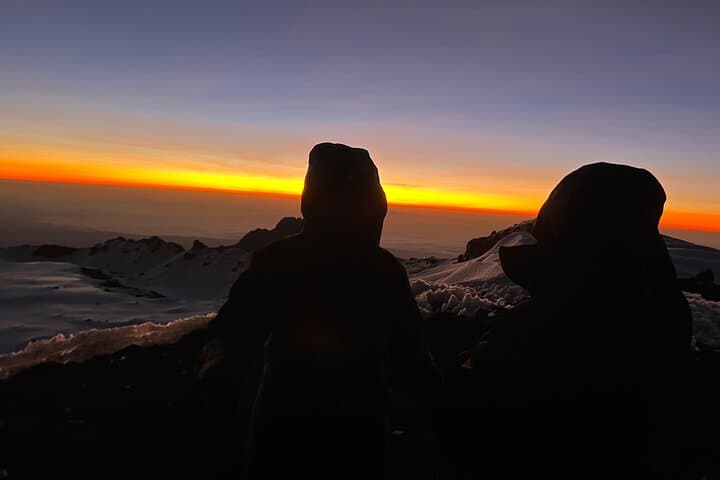
Summit day is a relentless midnight climb under a star-drenched sky. The air thins dramatically as you push onwards, each step a negotiation with gravity and altitude sickness. Reaching Uhuru Peak—the roof of Africa—at nearly 5,895 meters rewards you with a panoramic show of clouds, valleys, and distant plains. The descent, though easier on the knees, still demands caution on rocky and sometimes muddy trails.
Nearby Moshi, the gateway town, offers modern comforts and local Tanzanian culture—an ideal spot for pre-trek preparations and post-adventure celebrations.
This trek is best suited to fit adventurers with some hiking experience and solid physical preparation. Rain gear, sturdy boots, and layered clothing are must-haves given the dramatic shifts from humid rainforest to freezing alpine desert. High-altitude hydration and pacing strategies are essential to adapt to oxygen-thin environments. Guides provide critical support, navigating terrain, monitoring health, and enriching the experience with local insights.
The Machame Route climbs a living mountain that demands respect. It invites those who are ready—ready to confront the challenge, to feel the mountain’s pulse, and to emerge transformed. Preparation, patience, and persistence turn this spectacular six-day climb into an unforgettable chapter in any adventurer’s story.
difficult.
6 days.
Requires strong cardiovascular fitness and endurance; suitable for experienced hikers.
Machame is one of the more challenging routes due to longer, steeper daily hikes and varied terrain, making it better suited for physically fit and experienced hikers.
June to October and January to February are the best periods, providing drier, clearer weather and better summit success rates.
While not required, prior hiking experience and good fitness significantly improve your chances of a successful and enjoyable trek.
All climbers must hire professional guides and porters due to park regulations and safety considerations.
In the rainforest, you may spot colobus monkeys and various bird species; higher elevations have unique alpine plants but limited wildlife.
Entrance fees and sustainable trekking practices help protect Kilimanjaro National Park’s fragile ecosystems and support local communities.
Mount Kilimanjaro, formed by three volcanic cones, is Africa's highest peak and holds deep cultural significance for local Chagga people.
Climbers' fees fund vital conservation programs maintaining Kilimanjaro's fragile environments and supporting local communities through eco-tourism.
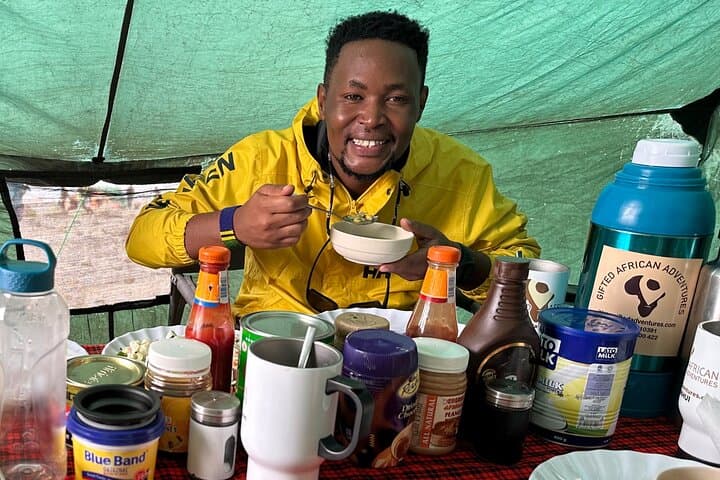
Gifted African Adventures operates guided outdoor trips and adventures with an emphasis on safety, stewardship, and memorable experiences.
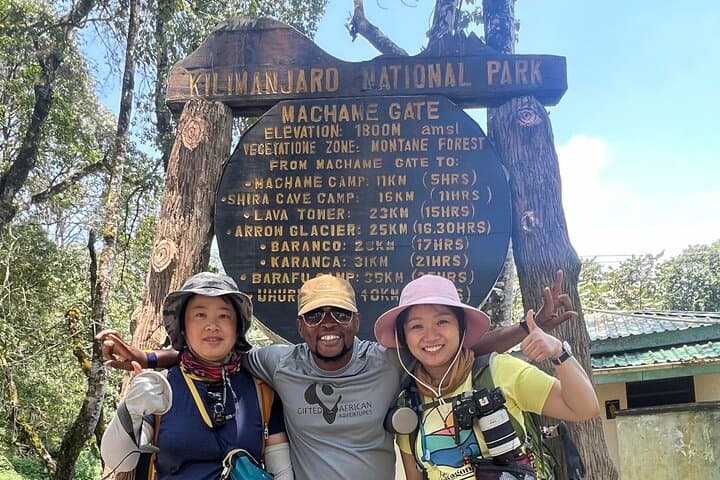
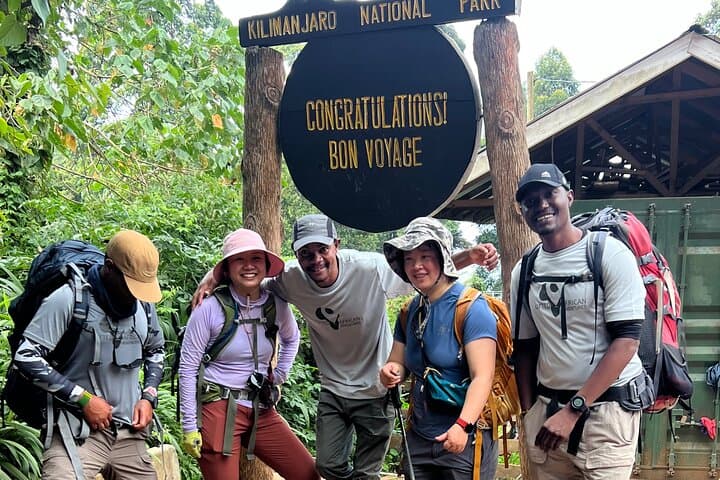
From the moment you step through Machame Gate, the land of Kilimanjaro stakes its claim on your senses. Towering above the Tanzanian plains, this colossal volcanic massif dares climbers to scale its slopes on the Machame Route, a challenging six-day trek that tests both body and spirit.
From the moment you step through Machame Gate, the land of Kilimanjaro stakes its claim on your senses. Towering above the Tanzanian plains, this colossal volcanic massif dares climbers to scale its slopes on the Machame Route, a challenging six-day trek that tests both body and spirit.
This route, often called the 'Whiskey Route' for its steep and demanding terrain, winds through a striking range of ecological zones. The journey begins in the lush rainforest, where towering trees drape moss like quiet sentinels, and the ground is soft beneath your boots. Here, the air is thick with the calls of exotic birds and the whispered rush of unseen streams.
As you gain altitude, the forest thins, giving way to moorland and the broad expanse of the Shira Plateau. This arid, windswept landscape, dotted with giant lobelias and groundsels, shifts the tone of the hike—its openness revealing vistas of Kilimanjaro’s southern ice fields and the looming silhouette of Kibo peak. The transition from dense jungle to sparse alpine desert emphasizes the mountain’s geological complexity: a stratovolcano shaped by millennia of volcanic activity and weathering.
Days three and four take you over jagged ridges and past the imposing Barranco Wall, a steep cliff that demands resolve and steady footing. Arriving at Karanga and later Barafu Campsites, you encounter the fragile balance of life at high elevation—where rare alpine plants defy the cold and wind. Barafu is a strategic basecamp; here climbers rest, refuel, and steel themselves for the final ascent.
Summit day is a relentless midnight climb under a star-drenched sky. The air thins dramatically as you push onwards, each step a negotiation with gravity and altitude sickness. Reaching Uhuru Peak—the roof of Africa—at nearly 5,895 meters rewards you with a panoramic show of clouds, valleys, and distant plains. The descent, though easier on the knees, still demands caution on rocky and sometimes muddy trails.
Nearby Moshi, the gateway town, offers modern comforts and local Tanzanian culture—an ideal spot for pre-trek preparations and post-adventure celebrations.
This trek is best suited to fit adventurers with some hiking experience and solid physical preparation. Rain gear, sturdy boots, and layered clothing are must-haves given the dramatic shifts from humid rainforest to freezing alpine desert. High-altitude hydration and pacing strategies are essential to adapt to oxygen-thin environments. Guides provide critical support, navigating terrain, monitoring health, and enriching the experience with local insights.
The Machame Route climbs a living mountain that demands respect. It invites those who are ready—ready to confront the challenge, to feel the mountain’s pulse, and to emerge transformed. Preparation, patience, and persistence turn this spectacular six-day climb into an unforgettable chapter in any adventurer’s story.