THE ADVENTURE COLLECTIVE® · Independent discovery and booking for outdoor travel

Take the Umbwe Route to summit Kilimanjaro on a 6-day climb that offers rugged terrain, lush rainforest, and alpine desert landscapes. Discover practical tips, terrain details, and what to expect on this less-traveled, challenging path.
Take the Umbwe Route to summit Kilimanjaro on a 6-day climb that offers rugged terrain, lush rainforest, and alpine desert landscapes. Discover practical tips, terrain details, and what to expect on this less-traveled, challenging path.
Rising sharply from Tanzania’s southern flank, Mount Kilimanjaro commands attention with its snow-capped summit piercing the African sky. The Umbwe Route, carving a steep and direct path up this colossal peak, challenges climbers with rugged trails through dense rainforest, moorlands, and the stark alpine desert above. Unlike the busier Marangu or Machame routes, Umbwe promises solitude—as the mountain’s forces dare only the determined to follow.
Verified experiences and guided adventures in the surrounding area.
Operated by Gifted African Adventures · Arusha, Arusha Region
Rising sharply from Tanzania’s southern flank, Mount Kilimanjaro commands attention with its snow-capped summit piercing the African sky. The Umbwe Route, carving a steep and direct path up this colossal peak, challenges climbers with rugged trails through dense rainforest, moorlands, and the stark alpine desert above. Unlike the busier Marangu or Machame routes, Umbwe promises solitude—as the mountain’s forces dare only the determined to follow.
Your journey begins at Umbwe Gate, just over 1,600 meters in elevation, where the rainforest looms thick and humid. The trail presses onward through mist and dripping leaves, as vibrant vegetation dares you deeper into its domain. This first day covers nearly 9.5 kilometers with a hefty 760-meter elevation gain—an immediate test of stamina as the forest breathes around you. Rain showers are frequent, so waterproof layers are essential here.
By day two, the terrain steepens and the landscape shifts. Exiting the dense forest, the Umbwe ridge reveals views of the valley leading to Barranco Camp at 3,960 meters. The air thins noticeably, making each breath feel like a negotiation. As the crowds thin, you’ll find shared solace here with climbers from other routes, united by the mountain’s allure.
Ascending Barranco Wall on day three demands grit. This lengthy, steep climb thrusts you into alpine zones where shrubs give way to rocky outcrops, and the ground crunches with frost in the early hours. The acclimatization trek up from Karanga Camp offers a chance to test your body against the altitude without overexerting.
Approaching the summit requires navigating past glaciers such as Heim and Kersten on day four, heading toward Barafu Camp at 4,640 meters—the last stronghold before the final ascent. The alpine desert here is silent yet formidable, with sparse water sources marking the landscape.
Summit day is an endurance test beginning around midnight. The climb to Stella Point at the crater rim pushes you through frigid wind and steep slopes. Beyond Stella Point, the final stretch to Uhuru Peak is more gradual but no less demanding. Standing at 5,895 meters, the highest point in Africa commands respect as you take in panoramic views stretching into Tanzania’s expansive plains.
The descent rewards tired muscles with gradual drops through scree and forest, ending at Mweka Gate, where certificates honor your achievement.
This route is best suited for experienced trekkers prepared for a physically taxing climb with limited acclimatization days. Reliable footwear, layered clothing, and careful hydration are key. Weather can range dramatically; expect everything from tropical rain to freezing winds.
In planning, arrange time in Arusha to acclimatize and source quality gear. Hiring an expert guide and porters is vital—not only for safety but to ensure a respectful, minimal-impact experience on Kilimanjaro’s fragile ecosystems.
The Umbwe Route offers a raw, authentic encounter with Kilimanjaro’s untamed beauty, where the mountain’s personality unfolds one demanding step at a time.
challenging.
6 days.
High fitness required; suitable for experienced trekkers comfortable with steep ascents and high altitude.
Umbwe Route is one of the steepest and most direct paths, making it physically demanding with less gradual acclimatization compared to routes like Machame or Marangu.
While technical climbing skills aren't required, previous trekking experience and good fitness are essential due to the rapid elevation gain and challenging terrain.
The dry seasons from late June to October and January to March are optimal for clearer trails and safer conditions.
Professional guides, assistant guides, cooks, and porters are included to support you throughout the trek.
Yes, quality trekking gear like boots and jackets are available for rent or purchase in Arusha, but bringing your own preferred equipment is advisable.
Due to its direct ascent, Umbwe has a higher risk of altitude sickness; strict adherence to acclimatization schedules and hydration protocols is critical.
Kilimanjaro has long cultural significance for local Chagga tribes, revered as a sacred mountain and important water source.
Kilimanjaro National Park enforces strict regulations to minimize environmental impact, emphasizing waste removal and trail preservation.
Gifted African Adventures operates guided outdoor trips and adventures with an emphasis on safety, stewardship, and memorable experiences.

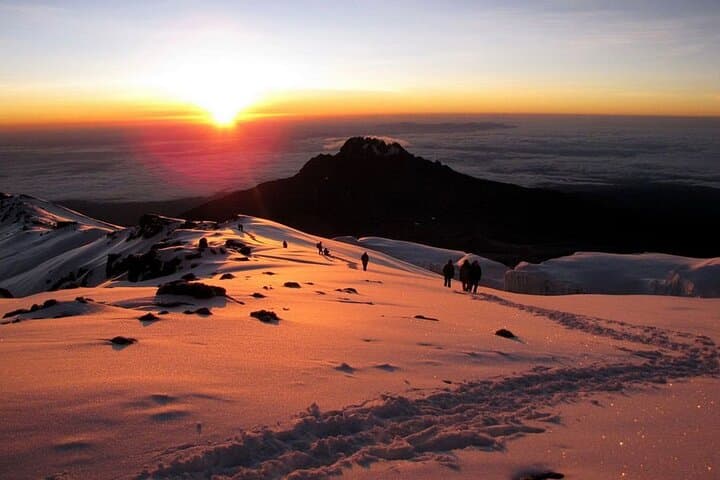


Rising sharply from Tanzania’s southern flank, Mount Kilimanjaro commands attention with its snow-capped summit piercing the African sky. The Umbwe Route, carving a steep and direct path up this colossal peak, challenges climbers with rugged trails through dense rainforest, moorlands, and the stark alpine desert above. Unlike the busier Marangu or Machame routes, Umbwe promises solitude—as the mountain’s forces dare only the determined to follow.
Rising sharply from Tanzania’s southern flank, Mount Kilimanjaro commands attention with its snow-capped summit piercing the African sky. The Umbwe Route, carving a steep and direct path up this colossal peak, challenges climbers with rugged trails through dense rainforest, moorlands, and the stark alpine desert above. Unlike the busier Marangu or Machame routes, Umbwe promises solitude—as the mountain’s forces dare only the determined to follow.
Your journey begins at Umbwe Gate, just over 1,600 meters in elevation, where the rainforest looms thick and humid. The trail presses onward through mist and dripping leaves, as vibrant vegetation dares you deeper into its domain. This first day covers nearly 9.5 kilometers with a hefty 760-meter elevation gain—an immediate test of stamina as the forest breathes around you. Rain showers are frequent, so waterproof layers are essential here.
By day two, the terrain steepens and the landscape shifts. Exiting the dense forest, the Umbwe ridge reveals views of the valley leading to Barranco Camp at 3,960 meters. The air thins noticeably, making each breath feel like a negotiation. As the crowds thin, you’ll find shared solace here with climbers from other routes, united by the mountain’s allure.
Ascending Barranco Wall on day three demands grit. This lengthy, steep climb thrusts you into alpine zones where shrubs give way to rocky outcrops, and the ground crunches with frost in the early hours. The acclimatization trek up from Karanga Camp offers a chance to test your body against the altitude without overexerting.
Approaching the summit requires navigating past glaciers such as Heim and Kersten on day four, heading toward Barafu Camp at 4,640 meters—the last stronghold before the final ascent. The alpine desert here is silent yet formidable, with sparse water sources marking the landscape.
Summit day is an endurance test beginning around midnight. The climb to Stella Point at the crater rim pushes you through frigid wind and steep slopes. Beyond Stella Point, the final stretch to Uhuru Peak is more gradual but no less demanding. Standing at 5,895 meters, the highest point in Africa commands respect as you take in panoramic views stretching into Tanzania’s expansive plains.
The descent rewards tired muscles with gradual drops through scree and forest, ending at Mweka Gate, where certificates honor your achievement.
This route is best suited for experienced trekkers prepared for a physically taxing climb with limited acclimatization days. Reliable footwear, layered clothing, and careful hydration are key. Weather can range dramatically; expect everything from tropical rain to freezing winds.
In planning, arrange time in Arusha to acclimatize and source quality gear. Hiring an expert guide and porters is vital—not only for safety but to ensure a respectful, minimal-impact experience on Kilimanjaro’s fragile ecosystems.
The Umbwe Route offers a raw, authentic encounter with Kilimanjaro’s untamed beauty, where the mountain’s personality unfolds one demanding step at a time.