THE ADVENTURE COLLECTIVE® · Independent discovery and booking for outdoor travel

Experience Kilimanjaro’s wild west flank on the Lemosho Route, a seven-day climb through remote forests, volcanic landscapes, and alpine moorlands. This less-traveled trail offers dynamic terrain and vital acclimatization for a rewarding summit.
Experience Kilimanjaro’s wild west flank on the Lemosho Route, a seven-day climb through remote forests, volcanic landscapes, and alpine moorlands. This less-traveled trail offers dynamic terrain and vital acclimatization for a rewarding summit.
As dawn breaks over the Tanzanian landscape, the shadow of Kilimanjaro slowly expands, daring climbers to face its mighty slopes. The Lemosho Route, carved through the rarely traveled western flank of Africa’s tallest peak, offers an immersive summit experience set against the rugged drama of the Shira Plateau. This seven-day climb is not just a challenge of endurance, but a passage through diverse ecological zones where forested glades give way to high altitude desert, all under the watchful eye of an armed ranger safeguarding against the local wildlife.
Verified experiences and guided adventures in the surrounding area.
Operated by World Adventure Tours · Moshi, Kilimanjaro
As dawn breaks over the Tanzanian landscape, the shadow of Kilimanjaro slowly expands, daring climbers to face its mighty slopes. The Lemosho Route, carved through the rarely traveled western flank of Africa’s tallest peak, offers an immersive summit experience set against the rugged drama of the Shira Plateau. This seven-day climb is not just a challenge of endurance, but a passage through diverse ecological zones where forested glades give way to high altitude desert, all under the watchful eye of an armed ranger safeguarding against the local wildlife.
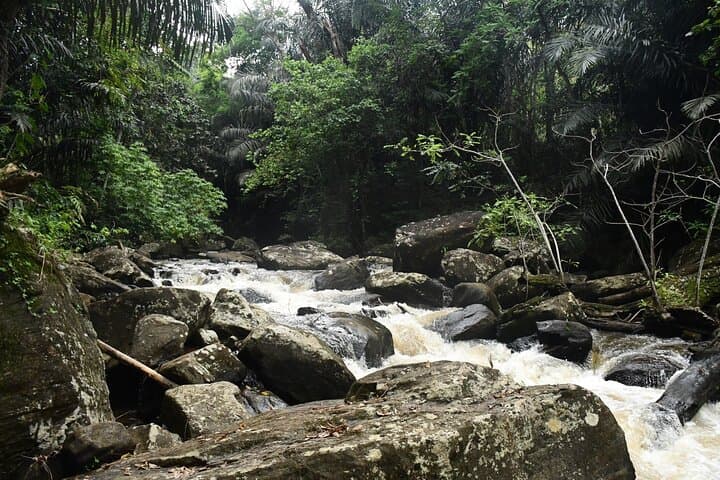
The trek begins near Moshi, a vibrant town serving as the gateway to Kilimanjaro. After a transfer from Kilimanjaro International Airport, adventurers settle in at a comfortable lodge before embarking on the remote Lemosho trail. The route traces a west-facing path, winding from lush rainforest beginning at around 2,200 meters elevation through the moorland of Shira Plateau, resting camps with striking views over the western breaching cliffs.
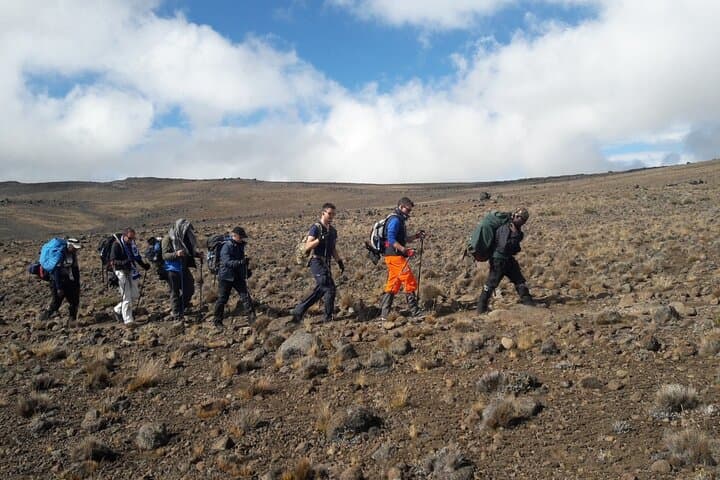
Geologically, Kilimanjaro is a dormant stratovolcano made up of three volcanic cones—Kibo, Mawenzi, and Shira. Lemosho skirts the Shira cone, providing unforgettable close-ups of ancient lava flows and volcanic scree on the approach to the iconic Lava Tower, an acclimatization point perched nearly at 4,600 meters. Here, the terrain turns stark and austere, pushing climbers to adjust to thinner air and strengthening legs.
Culturally, local Chagga communities dwell below the mountain’s lush foothills, their agriculture and traditions influenced by the mountain’s changing moods. Guests often glimpse this cultural thread on the drive in and from the trail's end, adding depth to the physical journey.
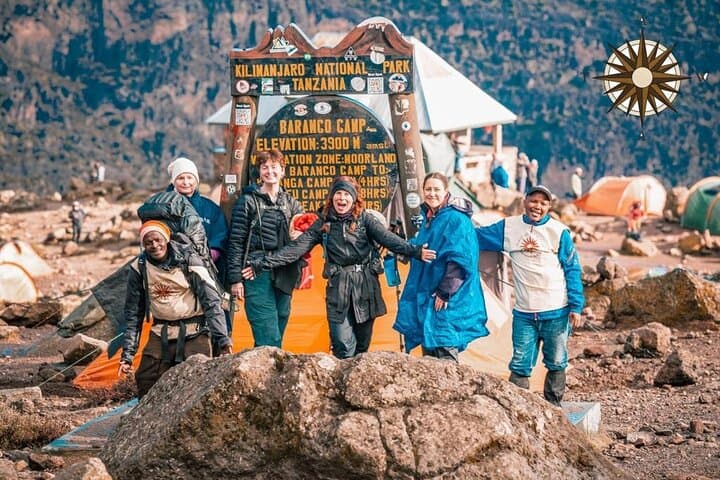
The trek’s pacing emphasizes acclimatization, with carefully planned stops and manageable daily elevation gains, balancing challenge with safety. A typical day involves hiking distances between 5 to 11 kilometers over 3 to 8 hours, with terrain ranging from forested paths to rocky ridges. Camp sites at Mt Mkubwa, Shira, Barranco, and Barafu provide rustic but secure basecamps where hydration and layering are key to comfort.
When planning, climbers should prepare for temperature swings—from warm afternoons in moorlands to freezing pre-dawn summit attempts. Thermal layers, sturdy waterproof boots, trekking poles, and headlamps are essentials. Hydration systems that keep water from freezing during summit night prove invaluable.
This route culminates at Uhuru Peak, the highest point at 5,895 meters, rewarding those who labor through the night with a sunrise over Kilimanjaro’s crater rim—a rare spectacle that etches itself into memory. The descent follows the Mweka trail, a route that tests knees after the long ascent but leads back to Moshi and hot showers.
In sum, the Lemosho Route offers a bold and less crowded approach to Kilimanjaro’s summit, blending wild landscapes, cultural touchstones, and a carefully crafted itinerary. This trek demands preparation and respect for altitude but promises an unparalleled climb for those ready to meet the mountain’s call.
challenging.
7 days.
Good cardiovascular fitness and endurance are required to manage long days hiking at high elevation.
The dry seasons between June to October and January to March offer the best weather windows for climbing Kilimanjaro with clearer skies and more stable trail conditions.
No technical climbing skills are required, but prior hiking experience and good fitness improve success chances as the route is challenging due to altitude and distance.
Yes, groups on the Lemosho Route travel with armed rangers to ensure safety in the forested lower areas where wildlife is present.
Camping accommodations are provided on the mountain; two nights at bed and breakfast lodges near Moshi are also included before and after the trek.
Meals include three daily meals—breakfast, lunch, and dinner—prepared by porters and cooks with emphasis on balanced nutrition for high-altitude trekking.
Altitude sickness can affect everyone; the Lemosho route’s gradual ascent and acclimatization days help minimize risks, but climbers should monitor symptoms closely.
Kilimanjaro has long been a cultural and spiritual landmark for the Chagga people, whose agricultural settlements thrive on its fertile foothills.
Tour operators and guides follow strict ‘leave no trace’ policies ensuring the fragile alpine ecosystem and surrounding forests remain protected despite increased trekking traffic.
World Adventure Tours operates guided outdoor trips and adventures with an emphasis on safety, stewardship, and memorable experiences.

As dawn breaks over the Tanzanian landscape, the shadow of Kilimanjaro slowly expands, daring climbers to face its mighty slopes. The Lemosho Route, carved through the rarely traveled western flank of Africa’s tallest peak, offers an immersive summit experience set against the rugged drama of the Shira Plateau. This seven-day climb is not just a challenge of endurance, but a passage through diverse ecological zones where forested glades give way to high altitude desert, all under the watchful eye of an armed ranger safeguarding against the local wildlife.
As dawn breaks over the Tanzanian landscape, the shadow of Kilimanjaro slowly expands, daring climbers to face its mighty slopes. The Lemosho Route, carved through the rarely traveled western flank of Africa’s tallest peak, offers an immersive summit experience set against the rugged drama of the Shira Plateau. This seven-day climb is not just a challenge of endurance, but a passage through diverse ecological zones where forested glades give way to high altitude desert, all under the watchful eye of an armed ranger safeguarding against the local wildlife.
The trek begins near Moshi, a vibrant town serving as the gateway to Kilimanjaro. After a transfer from Kilimanjaro International Airport, adventurers settle in at a comfortable lodge before embarking on the remote Lemosho trail. The route traces a west-facing path, winding from lush rainforest beginning at around 2,200 meters elevation through the moorland of Shira Plateau, resting camps with striking views over the western breaching cliffs.
Geologically, Kilimanjaro is a dormant stratovolcano made up of three volcanic cones—Kibo, Mawenzi, and Shira. Lemosho skirts the Shira cone, providing unforgettable close-ups of ancient lava flows and volcanic scree on the approach to the iconic Lava Tower, an acclimatization point perched nearly at 4,600 meters. Here, the terrain turns stark and austere, pushing climbers to adjust to thinner air and strengthening legs.
Culturally, local Chagga communities dwell below the mountain’s lush foothills, their agriculture and traditions influenced by the mountain’s changing moods. Guests often glimpse this cultural thread on the drive in and from the trail's end, adding depth to the physical journey.
The trek’s pacing emphasizes acclimatization, with carefully planned stops and manageable daily elevation gains, balancing challenge with safety. A typical day involves hiking distances between 5 to 11 kilometers over 3 to 8 hours, with terrain ranging from forested paths to rocky ridges. Camp sites at Mt Mkubwa, Shira, Barranco, and Barafu provide rustic but secure basecamps where hydration and layering are key to comfort.
When planning, climbers should prepare for temperature swings—from warm afternoons in moorlands to freezing pre-dawn summit attempts. Thermal layers, sturdy waterproof boots, trekking poles, and headlamps are essentials. Hydration systems that keep water from freezing during summit night prove invaluable.
This route culminates at Uhuru Peak, the highest point at 5,895 meters, rewarding those who labor through the night with a sunrise over Kilimanjaro’s crater rim—a rare spectacle that etches itself into memory. The descent follows the Mweka trail, a route that tests knees after the long ascent but leads back to Moshi and hot showers.
In sum, the Lemosho Route offers a bold and less crowded approach to Kilimanjaro’s summit, blending wild landscapes, cultural touchstones, and a carefully crafted itinerary. This trek demands preparation and respect for altitude but promises an unparalleled climb for those ready to meet the mountain’s call.