THE ADVENTURE COLLECTIVE® · Independent discovery and booking for outdoor travel

Tackle Africa's highest peak along the Marangu Route—a six-day climb that blends comfort with challenge. Sleep in huts, traverse shifting ecosystems, and summit Uhuru Peak on this expertly guided Kilimanjaro trek.
Tackle Africa's highest peak along the Marangu Route—a six-day climb that blends comfort with challenge. Sleep in huts, traverse shifting ecosystems, and summit Uhuru Peak on this expertly guided Kilimanjaro trek.
At dawn, the dense rain forest clings to Kilimanjaro's lower slopes, whispering ancient secrets through moss-laden branches. The Marangu Route carves a single-track ascent from Marangu village, leading adventurers through shifting ecosystems—from humid montane forests to stark alpine deserts—before crowning them on Africa's highest summit ridge. This six-day trek, unique in its hut accommodations and logistical support, offers an all-encompassing mountain experience layered in both challenge and comfort.
Verified experiences and guided adventures in the surrounding area.
Operated by Kilitwende Adventures · Moshi, Kilimanjaro Region
At dawn, the dense rain forest clings to Kilimanjaro's lower slopes, whispering ancient secrets through moss-laden branches. The Marangu Route carves a single-track ascent from Marangu village, leading adventurers through shifting ecosystems—from humid montane forests to stark alpine deserts—before crowning them on Africa's highest summit ridge. This six-day trek, unique in its hut accommodations and logistical support, offers an all-encompassing mountain experience layered in both challenge and comfort.
The journey begins at Marangu Gate (1,870 m), where porters, guides, and climbers gather before crossing the park boundary. The route meanders upward through a canopy thick with verdant mosses and twisted trees, offering pockets of misty quiet before emerging into open moorland around Maundi Crater (3,100 m). Here, giant lobelias and groundsel pose like ancient sentinels guarding the trail, their bizarre forms highlighting Kilimanjaro’s geological youth.
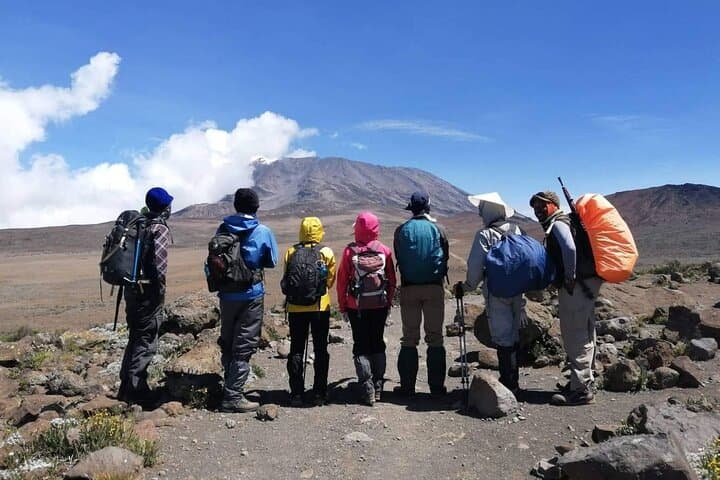
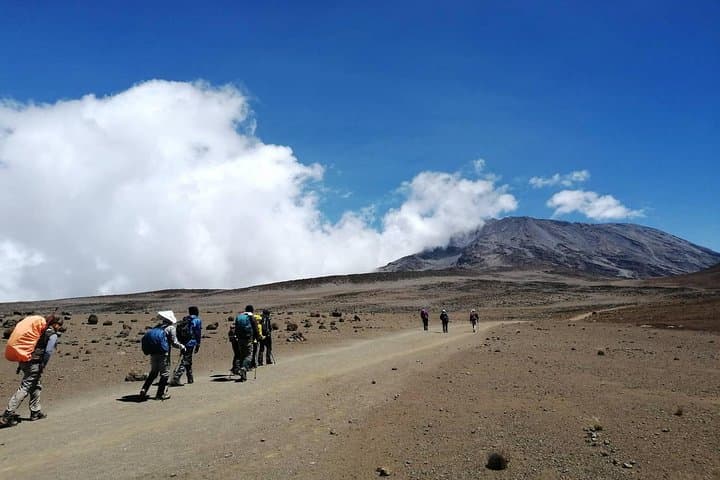
The mountain itself is a dormant stratovolcano, its slopes shaped by volcanic activity over the last million years. This volcanic legacy crafts a layered landscape: forest at the base, moorland mid-slope, then the alpine desert zone leading to Kibo Peak (5,895 m), capped by glaciers that defy the equatorial sun.
Culturally, the Marangu Route traverses the ancestral homeland of the Chagga people whose villages root the experience in Tanzanian heritage. Guides, deeply familiar with both trail and tradition, share stories, enhancing each day's effort with connection and context.
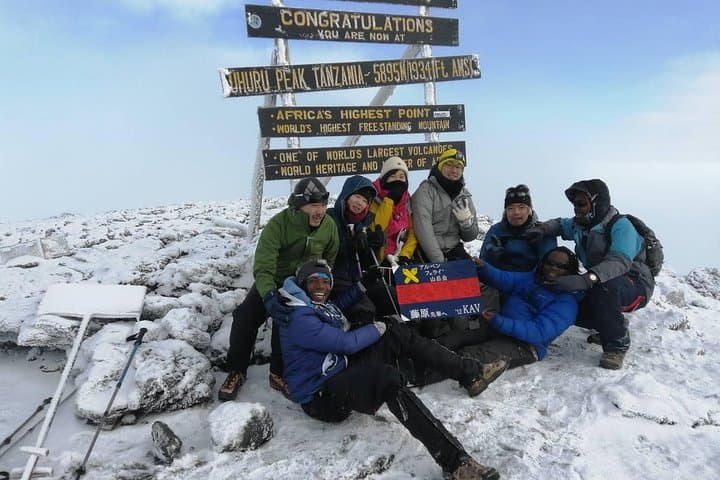
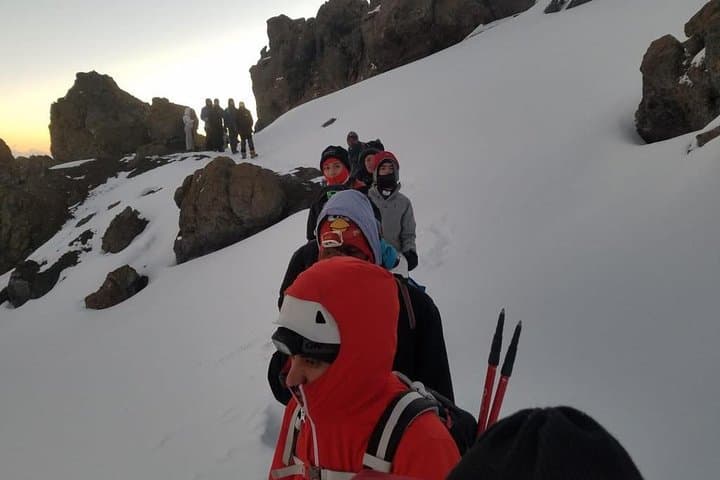
With huts as nightly refuges, climbers avoid tents but still face demanding elevation gains—averaging 700 to 1,200 meters per day—and thin air. The optional sixth day for acclimatization adds vital odds for summit success. On summit night, departure just before midnight challenges both body and mind, tracking rocky scree toward Uhuru Peak’s icy rim where the horizon reveals a continent below.
Practical planning is key: sturdy, waterproof boots are essential for variable terrain, while layered clothing combats shifting temperatures—from humid forest warmth to sub-freezing summit chills. Hydration remains critical; water sources dwindle beyond Horombo and Kibo huts, so carrying insulation-clad bottles preserves fluids from freezing. Sleep early on summit night, as rest underpins the final push.
Porters handle heavy gear, letting climbers focus on footing and breath. Meals are thoughtfully prepared by expert cooks, refueling bodies with warm nourishment amid the high-altitude wilderness.
This six-day Marangu Route trek balances adventure with support, inviting hikers to engage with Kilimanjaro’s geological majesty and cultural fabric while chasing one of the world's most iconic summits.
challenging.
6 days.
Good cardiovascular fitness with endurance for 5–7 hours of daily hiking and ability to handle altitude.
Marangu is the only route with hut accommodations, allowing climbers to sleep indoors instead of camping in tents.
No technical climbing skills are required, but a good level of fitness and acclimatization are important for success.
The dry seasons from late June to October and from late December to February offer the best weather for climbing.
Yes, three meals per day are included, prepared by expert cooks to provide needed calories and nutrition.
Essential items include extra clothing, camera, rain jacket, skin oil, snacks, and water.
Altitude sickness can occur; slow ascent profile, hydration, and optional acclimatization days help minimize risk, and oxygen tanks are available for emergencies.
The Marangu Route was the first official trail established in the 1920s, named after the local village Marangu.
Climbers must respect strict park regulations including waste management and using designated trails to preserve Kilimanjaro’s fragile ecosystems.
Kilitwende Adventures operates guided outdoor trips and adventures with an emphasis on safety, stewardship, and memorable experiences.
At dawn, the dense rain forest clings to Kilimanjaro's lower slopes, whispering ancient secrets through moss-laden branches. The Marangu Route carves a single-track ascent from Marangu village, leading adventurers through shifting ecosystems—from humid montane forests to stark alpine deserts—before crowning them on Africa's highest summit ridge. This six-day trek, unique in its hut accommodations and logistical support, offers an all-encompassing mountain experience layered in both challenge and comfort.
At dawn, the dense rain forest clings to Kilimanjaro's lower slopes, whispering ancient secrets through moss-laden branches. The Marangu Route carves a single-track ascent from Marangu village, leading adventurers through shifting ecosystems—from humid montane forests to stark alpine deserts—before crowning them on Africa's highest summit ridge. This six-day trek, unique in its hut accommodations and logistical support, offers an all-encompassing mountain experience layered in both challenge and comfort.
The journey begins at Marangu Gate (1,870 m), where porters, guides, and climbers gather before crossing the park boundary. The route meanders upward through a canopy thick with verdant mosses and twisted trees, offering pockets of misty quiet before emerging into open moorland around Maundi Crater (3,100 m). Here, giant lobelias and groundsel pose like ancient sentinels guarding the trail, their bizarre forms highlighting Kilimanjaro’s geological youth.
The mountain itself is a dormant stratovolcano, its slopes shaped by volcanic activity over the last million years. This volcanic legacy crafts a layered landscape: forest at the base, moorland mid-slope, then the alpine desert zone leading to Kibo Peak (5,895 m), capped by glaciers that defy the equatorial sun.
Culturally, the Marangu Route traverses the ancestral homeland of the Chagga people whose villages root the experience in Tanzanian heritage. Guides, deeply familiar with both trail and tradition, share stories, enhancing each day's effort with connection and context.
With huts as nightly refuges, climbers avoid tents but still face demanding elevation gains—averaging 700 to 1,200 meters per day—and thin air. The optional sixth day for acclimatization adds vital odds for summit success. On summit night, departure just before midnight challenges both body and mind, tracking rocky scree toward Uhuru Peak’s icy rim where the horizon reveals a continent below.
Practical planning is key: sturdy, waterproof boots are essential for variable terrain, while layered clothing combats shifting temperatures—from humid forest warmth to sub-freezing summit chills. Hydration remains critical; water sources dwindle beyond Horombo and Kibo huts, so carrying insulation-clad bottles preserves fluids from freezing. Sleep early on summit night, as rest underpins the final push.
Porters handle heavy gear, letting climbers focus on footing and breath. Meals are thoughtfully prepared by expert cooks, refueling bodies with warm nourishment amid the high-altitude wilderness.
This six-day Marangu Route trek balances adventure with support, inviting hikers to engage with Kilimanjaro’s geological majesty and cultural fabric while chasing one of the world's most iconic summits.