A warm wind off the Indian Ocean drives salt into your hair as the coastal road unspools between palms and lagoon.
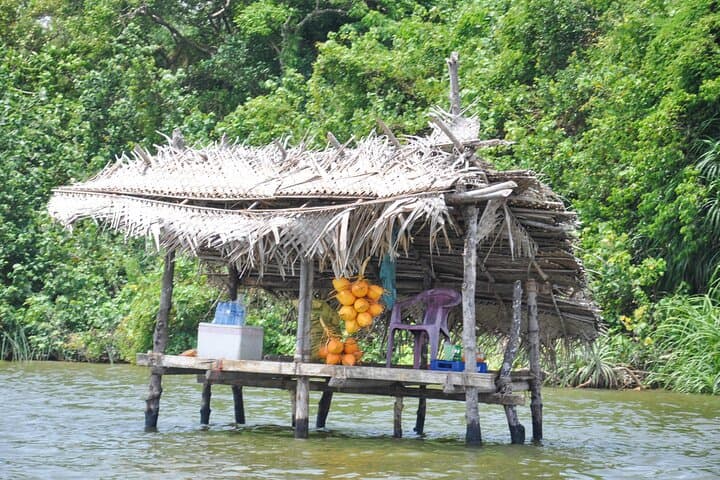
You begin in Bentota, the town sliding past in a blur of surf shops and fishing boats, then slow to a private boat that threads the Madu River’s mangrove alleys. The water parts like a dark ribbon, and sunlit flocks of ibis punctuate the low canopy while water monitors and the occasional crocodile watch from muddy banks.
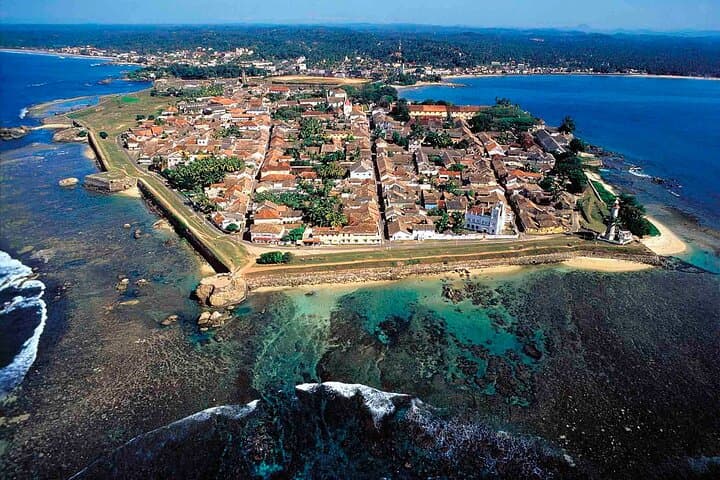
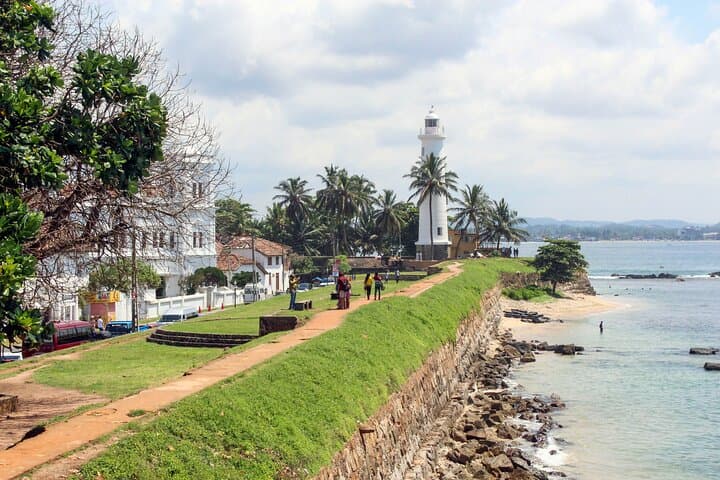
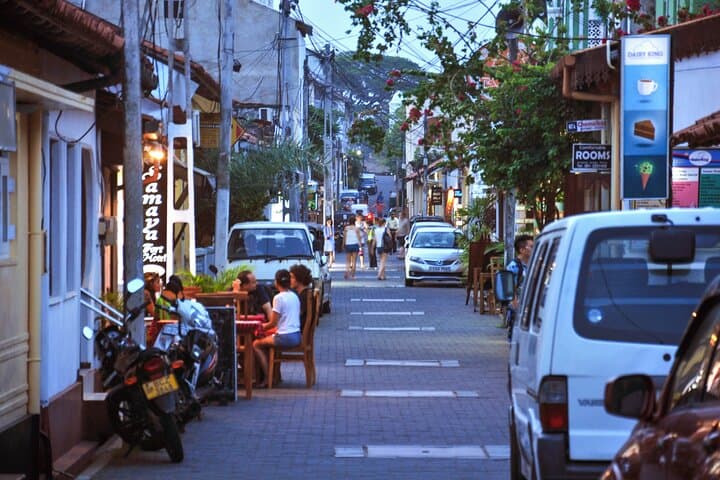
History appears in stone as you reach Galle: ramparts built by the Portuguese and strengthened by the Dutch that still hold watch over cobblestoned streets and the lighthouse. Underfoot the geology changes from coastal sands and reef flats to the lateritic soils inland that host cinnamon groves — the same spice plantations you’ll glimpse on the river’s islands and at the local moonstone stalls.
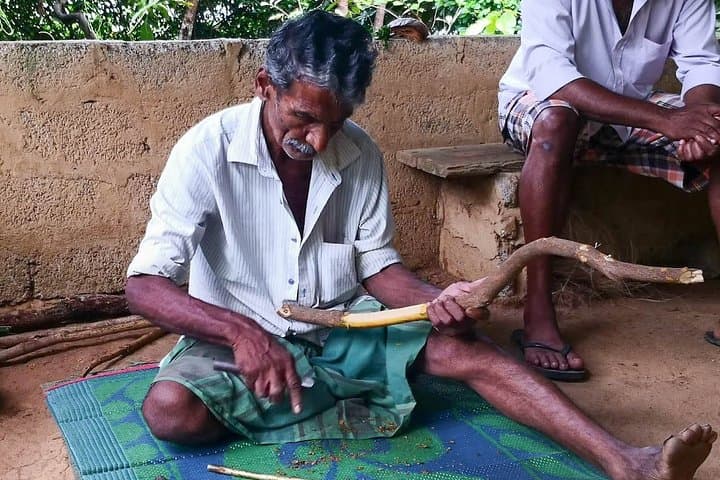
Culturally the day ties fishing villages, gem-mining economies and colonial maritime trade into a compact route: a turtle hatchery’s conservation work; boatmen who harvest cinnamon; and gem workers who polish stones for export.
Practical guidance: expect a long day (about 10 hours) that includes short walks on uneven cobbles and boat transfers through narrow channels. Wear sturdy sandals or light hiking shoes, bring sun protection and a refillable water bottle, and prepare small cash for market haggling. Morning light is best for birdwatching on the river; late afternoon warms the fort’s ramparts for photography.
This trip balances easy sightseeing with intermittent rough footing and open-boat motion — it’s scenic, tactile, and best approached with curiosity and sensible gear.