THE ADVENTURE COLLECTIVE® · Independent discovery and booking for outdoor travel

A nine-day photographic journey from Windhoek to the Atlantic, this tour threads the Namib Desert’s dunes, ghost towns and coastal wildlife. Expect early sunrises, gravel roads and ample opportunities for dramatic, wide-angle landscapes.
A nine-day photographic journey from Windhoek to the Atlantic, this tour threads the Namib Desert’s dunes, ghost towns and coastal wildlife. Expect early sunrises, gravel roads and ample opportunities for dramatic, wide-angle landscapes.
You stand on sand so old it seems to remember the sea — a slow, warm wind pushes grains against your boots while the low light turns dunes into ridged sculptures. This is the Namib, where the road from Windhoek spills into an expanse of ochre and bone-white salt pans, Quiver trees loom like ancient streetlights and a ghost town slowly inhales desert dust. The Coast to Coast Tour is less a race across country than a paced, photographic study of Namibia’s contrasts: high plateau to Atlantic fog, granite peaks to fossilized sand.
Verified experiences and guided adventures in the surrounding area.
Operated by Don Tours & Safaris · Windhoek, Khomas Region
You stand on sand so old it seems to remember the sea — a slow, warm wind pushes grains against your boots while the low light turns dunes into ridged sculptures. This is the Namib, where the road from Windhoek spills into an expanse of ochre and bone-white salt pans, Quiver trees loom like ancient streetlights and a ghost town slowly inhales desert dust. The Coast to Coast Tour is less a race across country than a paced, photographic study of Namibia’s contrasts: high plateau to Atlantic fog, granite peaks to fossilized sand.
The route threads colonial history and geological time. German-era Luderitz and the sun-bleached houses of Kolmanskop tell a story of diamonds, rapid wealth and abandonment; Spitzkoppe’s granite tors are nearly 700 million years old, lifted and exposed by slow tectonic patience. The Namib Desert itself — one of the oldest deserts on Earth — sculpts everything it touches. Cultural notes arrive in small encounters: curio stalls in Windhoek Gardens, a café in Solitaire famous for its apple cake, and Himba and Herero crafts sold roadside by enterprising artisans.
The trip is intentionally paced for photographers. Sunrise at the Quiver Tree Forest yields the long shadows and exaggerated trunks that make wide-angle shots sing. Dune 45 before dawn puts you atop an 85-meter ridge with a panorama of Sossusvlei’s red bowl below; late afternoon at Elim Dune converts the dunes into a palette of crimson, rust and deep violet. Kolmanskop invites intimate interiors, peeling wallpaper and sand-filled corridors that behave like a slow-motion flood, while Cape Cross and the Walvis Bay lagoon deliver wildlife contrasts — seals and flocks of coastal birds against ocean light.
Practical edge: the tour runs nine days, with mixed driving on paved and graded gravel roads; expect long stretches in the vehicle between photo stops. Moderate fitness is required — not for technical climbs but for repeated short hikes and dune ascents, often on loose sand. Pack for strong sun, sharp diurnal temperature swings and occasional coastal fog. Hydration, sun protection and sturdy boots transform a good shoot into a comfortable one.
Timing matters: winter (May–Aug) brings clear skies and crisp mornings ideal for star-tracking; summer (Nov–Mar) offers dramatic cloudscapes and greener riverbeds but can be hot and occasionally rainy. Local guides handle logistics, permits and vehicle access, and many evenings are free for editing, relaxing or arranging optional night photography.
For travelers chasing light, geological drama and quiet wildlife moments, this coast-to-coast route is a study in extremes — a desert that pushes you to observe and a coastline that insists you breathe.
moderate.
9 days.
Moderate fitness: able to do short hikes on loose sand and stand for long photo sessions; not technical endurance
Winter (May–August) offers crisp, clear skies and cooler temperatures ideal for sunrise/sunset photography; summer can provide dramatic clouds and greener landscapes after rare rains.
Expect long-distance drives on a mix of paved and gravel roads; vehicles are equipped for comfort but passengers should be prepared for bumpy sections.
Entrance fees to Sossusvlei/Sesriem and Kolmanskop are typically included or managed by the operator; guides will handle permits and park access.
Yes — the itinerary accommodates couples and families, with relaxed pacing and scheduled lodging; inform operators of special needs when booking.
Yes — expect oryx and smaller desert mammals inland and Cape fur seals, seabirds and sometimes penguins near the coast and Walvis Bay.
No special skills required — the tour is tailored to photographers of all levels, though familiarity with manual exposure and tripod use is helpful for sunrise, sunset and night shots.
Southern Namibia’s coastline and towns like Kolmanskop grew quickly during late 19th–early 20th century diamond booms and were later abandoned, leaving well-preserved ghost towns.
Namibia emphasizes community conservancies and responsible tourism; visitors should stick to paths, avoid disturbing wildlife and support local guides and artisans.
Don Tours & Safaris operates guided outdoor trips and adventures with an emphasis on safety, stewardship, and memorable experiences.
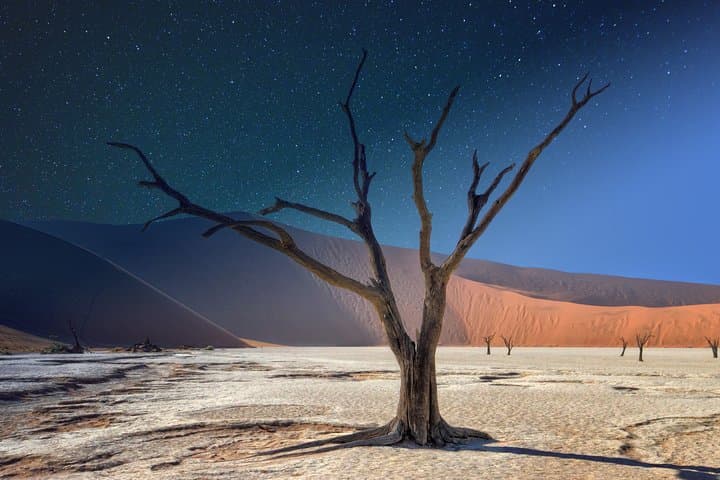
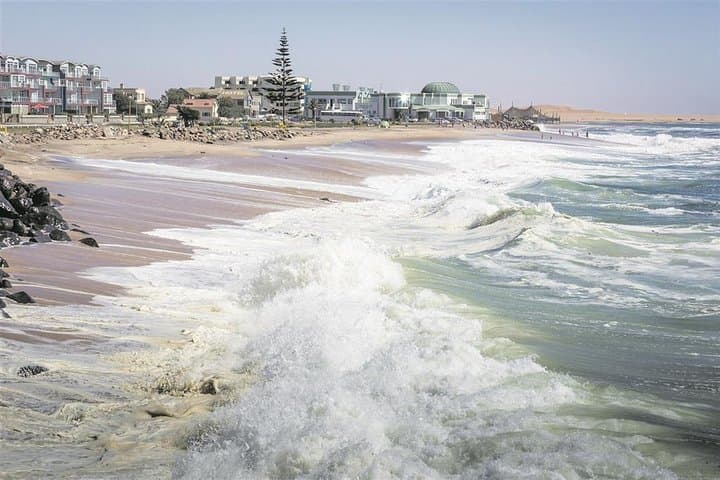
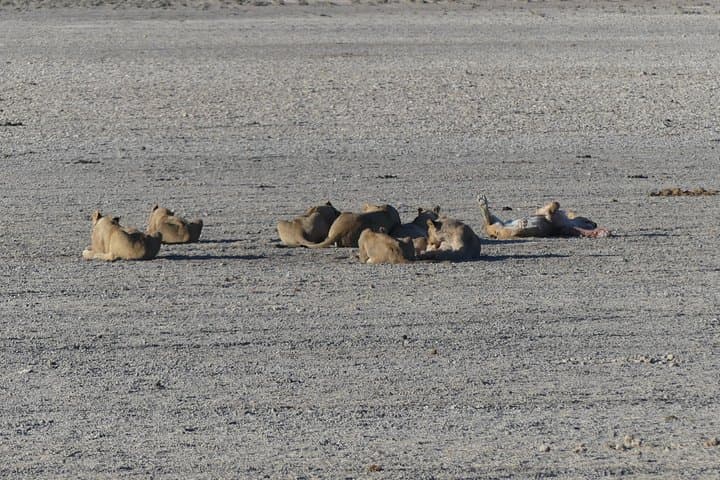
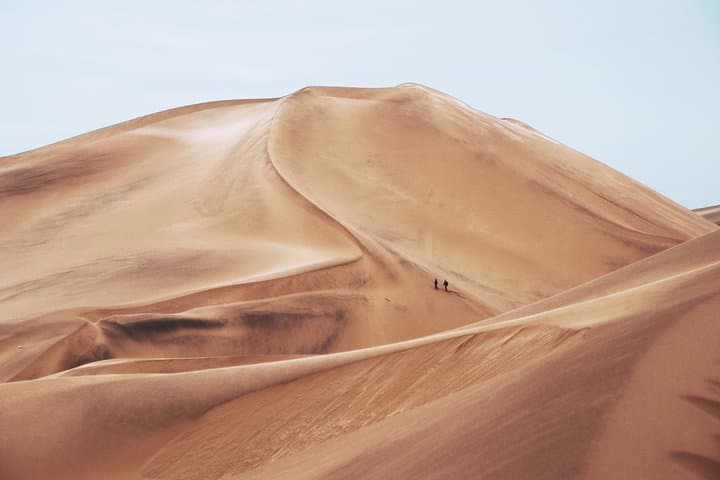
You stand on sand so old it seems to remember the sea — a slow, warm wind pushes grains against your boots while the low light turns dunes into ridged sculptures. This is the Namib, where the road from Windhoek spills into an expanse of ochre and bone-white salt pans, Quiver trees loom like ancient streetlights and a ghost town slowly inhales desert dust. The Coast to Coast Tour is less a race across country than a paced, photographic study of Namibia’s contrasts: high plateau to Atlantic fog, granite peaks to fossilized sand.
You stand on sand so old it seems to remember the sea — a slow, warm wind pushes grains against your boots while the low light turns dunes into ridged sculptures. This is the Namib, where the road from Windhoek spills into an expanse of ochre and bone-white salt pans, Quiver trees loom like ancient streetlights and a ghost town slowly inhales desert dust. The Coast to Coast Tour is less a race across country than a paced, photographic study of Namibia’s contrasts: high plateau to Atlantic fog, granite peaks to fossilized sand.
The route threads colonial history and geological time. German-era Luderitz and the sun-bleached houses of Kolmanskop tell a story of diamonds, rapid wealth and abandonment; Spitzkoppe’s granite tors are nearly 700 million years old, lifted and exposed by slow tectonic patience. The Namib Desert itself — one of the oldest deserts on Earth — sculpts everything it touches. Cultural notes arrive in small encounters: curio stalls in Windhoek Gardens, a café in Solitaire famous for its apple cake, and Himba and Herero crafts sold roadside by enterprising artisans.
The trip is intentionally paced for photographers. Sunrise at the Quiver Tree Forest yields the long shadows and exaggerated trunks that make wide-angle shots sing. Dune 45 before dawn puts you atop an 85-meter ridge with a panorama of Sossusvlei’s red bowl below; late afternoon at Elim Dune converts the dunes into a palette of crimson, rust and deep violet. Kolmanskop invites intimate interiors, peeling wallpaper and sand-filled corridors that behave like a slow-motion flood, while Cape Cross and the Walvis Bay lagoon deliver wildlife contrasts — seals and flocks of coastal birds against ocean light.
Practical edge: the tour runs nine days, with mixed driving on paved and graded gravel roads; expect long stretches in the vehicle between photo stops. Moderate fitness is required — not for technical climbs but for repeated short hikes and dune ascents, often on loose sand. Pack for strong sun, sharp diurnal temperature swings and occasional coastal fog. Hydration, sun protection and sturdy boots transform a good shoot into a comfortable one.
Timing matters: winter (May–Aug) brings clear skies and crisp mornings ideal for star-tracking; summer (Nov–Mar) offers dramatic cloudscapes and greener riverbeds but can be hot and occasionally rainy. Local guides handle logistics, permits and vehicle access, and many evenings are free for editing, relaxing or arranging optional night photography.
For travelers chasing light, geological drama and quiet wildlife moments, this coast-to-coast route is a study in extremes — a desert that pushes you to observe and a coastline that insists you breathe.