THE ADVENTURE COLLECTIVE® · Independent discovery and booking for outdoor travel

Scale a 5th-century rock fortress, wander painted Buddhist caves and sweep across central Sri Lanka’s scrubby plains in a single day. This Sigiriya & Dambulla tour pairs a physical climb with quiet cultural sites—perfect for travelers who want history, views and practical logistics in one organized outing.
Scale a 5th-century rock fortress, wander painted Buddhist caves and sweep across central Sri Lanka’s scrubby plains in a single day. This Sigiriya & Dambulla tour pairs a physical climb with quiet cultural sites—perfect for travelers who want history, views and practical logistics in one organized outing.
You step out of the air-conditioned van and the heat of Sri Lanka’s central plains hits like a hand on your back. Finger-like palms and tamarind trees frame the landscape, but it’s the hulking silhouette ahead — Sigiriya’s sheer rock — that forces a double-take. The rock rises like a natural citadel from the paddy fields, its upper terraces catching light while bands of tropical green push against its base.
Verified experiences and guided adventures in the surrounding area.
Operated by A4 Tours · Sigiriya, Central Province
You step out of the air-conditioned van and the heat of Sri Lanka’s central plains hits like a hand on your back. Finger-like palms and tamarind trees frame the landscape, but it’s the hulking silhouette ahead — Sigiriya’s sheer rock — that forces a double-take. The rock rises like a natural citadel from the paddy fields, its upper terraces catching light while bands of tropical green push against its base.
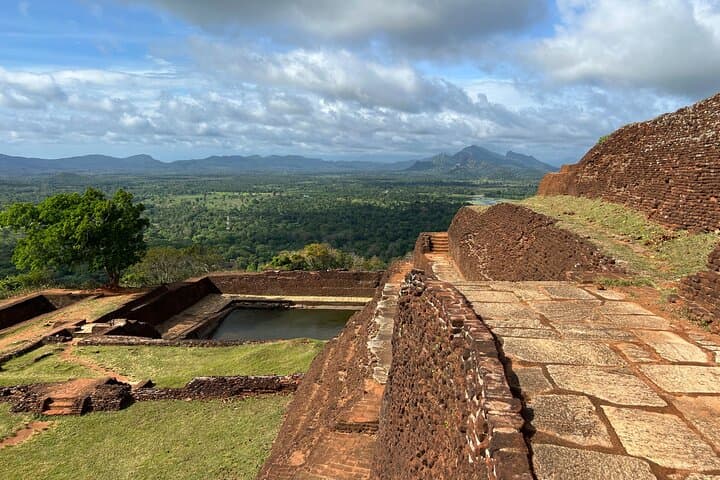
The day moves in chapters. First: the gardens and hydraulic remains at Sigiriya, engineered in the 5th century when King Kashyapa turned an isolated granite outcrop into a fortified palace. Walkways and iron staircases climb past faded frescoes of celestial maidens and through the Mirror Wall where ancient visitors once scratched poems. From midway platforms the plains open into an astonishing panorama; the rock itself is a geological oddity — a hardened magma plug resisting millennia of erosion while the surrounding softer land wore away.
Later you reach Dambulla, where the Golden Temple’s cave complex sits like a painted vault. Five caverns hold over 150 Buddha statues, some gilded, many reclining, their lacquer smooth from centuries of devotion. The caves are carved into a different kind of rock, layered and pocked, creating a cooler, shadowed environment where incense lingers and locals kneel to offer flowers.
Both sites are UNESCO-listed for reason: they combine military ingenuity, religious patronage and local craftsmanship in ways that still shape village life. Outside the monuments, you’ll pass rural markets selling jackfruit and red chilies, and see itinerant monks in saffron robes moving through morning traffic.
Practical edge: the tour runs roughly 6–7 hours, with about two hours at Sigiriya and an hour at Dambulla. Admission fees for both sites are typically not included in basic tour rates; carry cash or a card. The Sigiriya climb is steep — expect metal ladders and sections with handrails; comfortable, grippy footwear matters more than fashion. Hydration is non-negotiable: the climb and open plains can become brutally hot by late morning.
Logistics provided by most operators include an air-conditioned vehicle, bottled water, and a private driver; pickup logistics may add travel time from Colombo (roughly 3–4 hours, 145 km). Respect temple rules at Dambulla: remove shoes, no shorts above the knee, and keep shoulders covered. Move deliberately, leave no trace on the frescoes, and plan to start early to beat the largest tour groups and the afternoon heat.
At its best the day pairs a physical challenge with quiet, contemplative history — a chance to stand where strategy, art and religion converged, and to leave with a sharper sense of how the island’s past still shapes daily life.
moderate.
6–7 hours.
Good for travelers who can walk several hours and climb steep stair sections; moderate cardiovascular fitness recommended
Expect 30–60 minutes up and 20–40 minutes down depending on fitness and crowding; metal stairways and platforms make the ascent manageable but steep.
Most basic bookings do not include admission—bring cash or a card to buy tickets at the site or confirm inclusion with your operator before travel.
The sites are family-friendly, but the Sigiriya ascent involves steep steps and narrow passages; those with mobility issues should consider shorter viewpoints or remaining at garden levels.
Wear conservative clothing that covers shoulders and knees; shoes must be removed before entering the cave complex.
Plan for a 6–7 hour excursion plus travel time to and from your accommodation—if coming from Colombo, add roughly 3–4 hours each way.
Yes—many travelers add Minneriya National Park to the region to see elephant herds, but that requires extra time and is usually a separate booking.
Sigiriya was transformed into a fortified palace in the late 5th century by King Kashyapa and later abandoned; Dambulla’s cave temple complex grew under successive kings as a major Buddhist center.
Visitor pressure affects frescoes and cave surfaces—stick to marked paths, avoid touching ancient paintings, and minimize single-use plastic during visits.
A4 Tours operates guided outdoor trips and adventures with an emphasis on safety, stewardship, and memorable experiences.
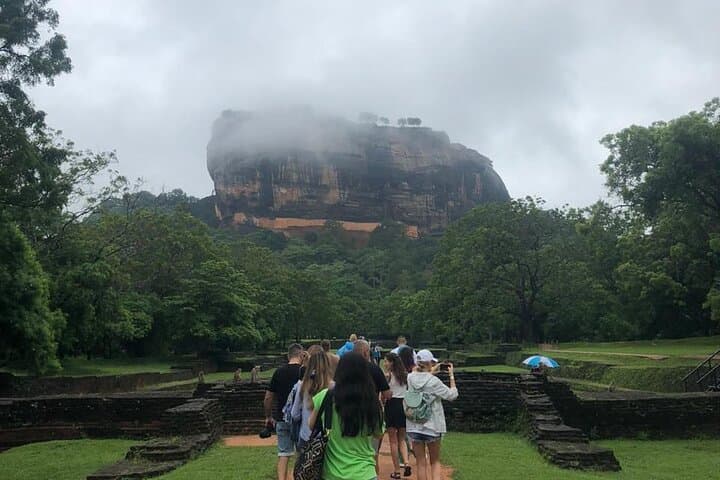
You step out of the air-conditioned van and the heat of Sri Lanka’s central plains hits like a hand on your back. Finger-like palms and tamarind trees frame the landscape, but it’s the hulking silhouette ahead — Sigiriya’s sheer rock — that forces a double-take. The rock rises like a natural citadel from the paddy fields, its upper terraces catching light while bands of tropical green push against its base.
You step out of the air-conditioned van and the heat of Sri Lanka’s central plains hits like a hand on your back. Finger-like palms and tamarind trees frame the landscape, but it’s the hulking silhouette ahead — Sigiriya’s sheer rock — that forces a double-take. The rock rises like a natural citadel from the paddy fields, its upper terraces catching light while bands of tropical green push against its base.
The day moves in chapters. First: the gardens and hydraulic remains at Sigiriya, engineered in the 5th century when King Kashyapa turned an isolated granite outcrop into a fortified palace. Walkways and iron staircases climb past faded frescoes of celestial maidens and through the Mirror Wall where ancient visitors once scratched poems. From midway platforms the plains open into an astonishing panorama; the rock itself is a geological oddity — a hardened magma plug resisting millennia of erosion while the surrounding softer land wore away.
Later you reach Dambulla, where the Golden Temple’s cave complex sits like a painted vault. Five caverns hold over 150 Buddha statues, some gilded, many reclining, their lacquer smooth from centuries of devotion. The caves are carved into a different kind of rock, layered and pocked, creating a cooler, shadowed environment where incense lingers and locals kneel to offer flowers.
Both sites are UNESCO-listed for reason: they combine military ingenuity, religious patronage and local craftsmanship in ways that still shape village life. Outside the monuments, you’ll pass rural markets selling jackfruit and red chilies, and see itinerant monks in saffron robes moving through morning traffic.
Practical edge: the tour runs roughly 6–7 hours, with about two hours at Sigiriya and an hour at Dambulla. Admission fees for both sites are typically not included in basic tour rates; carry cash or a card. The Sigiriya climb is steep — expect metal ladders and sections with handrails; comfortable, grippy footwear matters more than fashion. Hydration is non-negotiable: the climb and open plains can become brutally hot by late morning.
Logistics provided by most operators include an air-conditioned vehicle, bottled water, and a private driver; pickup logistics may add travel time from Colombo (roughly 3–4 hours, 145 km). Respect temple rules at Dambulla: remove shoes, no shorts above the knee, and keep shoulders covered. Move deliberately, leave no trace on the frescoes, and plan to start early to beat the largest tour groups and the afternoon heat.
At its best the day pairs a physical challenge with quiet, contemplative history — a chance to stand where strategy, art and religion converged, and to leave with a sharper sense of how the island’s past still shapes daily life.