THE ADVENTURE COLLECTIVE® · Independent discovery and booking for outdoor travel

Swap the coast for stone on a private day trip from Bentota to Sigiriya and Dambulla. Climb the Lion Rock’s stairways, walk through gilded cave temples, and return the same night with histories, views and practical logistics handled.
Swap the coast for stone on a private day trip from Bentota to Sigiriya and Dambulla. Climb the Lion Rock’s stairways, walk through gilded cave temples, and return the same night with histories, views and practical logistics handled.
Before dawn the minivan slips away from the coast and the road narrows into paddy-country—lanterns glint on temple gables and water buffalo eye the headlights. By the time the sky lightens you will be standing at the base of a flat-topped giant: Sigiriya, the Lion Rock, a sheer slab of granite rising roughly 200 meters from the surrounding plain. The climb begins with carved pathways and ends on a rocky platform where ruined royal foundations and a single, panoramic view claim your attention.
Verified experiences and guided adventures in the surrounding area.
Operated by Dimtours Srilanka · Sigiriya, Central Province
Before dawn the minivan slips away from the coast and the road narrows into paddy-country—lanterns glint on temple gables and water buffalo eye the headlights. By the time the sky lightens you will be standing at the base of a flat-topped giant: Sigiriya, the Lion Rock, a sheer slab of granite rising roughly 200 meters from the surrounding plain. The climb begins with carved pathways and ends on a rocky platform where ruined royal foundations and a single, panoramic view claim your attention.
The day pairs Sigiriya with Dambulla’s Golden Cave Temple, two UNESCO-listed corners of Sri Lanka’s layered past. Sigiriya’s plateau was transformed in the 5th century into a fortified palace and landscaped gardens—advanced hydraulic systems still trace channels and ponds below. The rock itself is ancient Precambrian gneiss; erosion left the harder core as an island of stone above cultivated plains. Dambulla, by contrast, is a series of five caves about 160 meters above the road where kings repurposed natural overhangs into a painted, gilded shrine. The painted Buddhas and reclining figures you’ll find inside span centuries of patronage; gold leaf and pigment were reapplied as tastes and rulers changed.
Culturally the route moves from royal projection to devotional practice. Locals still bring offerings at Dambulla; outside the caves, vendors sell lotus flowers and small bronze Buddhas. The private tour format from Bentota makes this a one-day sprint: pickup at 5:00 a.m., air-conditioned car, on-board Wi‑Fi, and bottled water included—entrance fees for both sites are covered.
Practical guide: expect a long day—roughly 12–14 hours total including transit. Sigiriya’s ascent involves steep staircases and metal walkways with roughly 200 meters of elevation gain; count on 30–60 minutes to reach the summit depending on your pace and the crowds. Dambulla requires a shorter uphill approach and several flights of steps to reach the caves. Temperatures can climb fast; humidity and sun are the day’s constant companions.
Bring sturdy closed-toe shoes for the rock, a hat and sunscreen, and clothing that covers shoulders and knees for temple respect. Photography is allowed in many areas but watch for signs and show deference inside active shrines.
This tour compresses two of Sri Lanka’s most compelling archaeological sites into a single, well-organized day—ideal for coastal travelers who want to trade sand for stone without negotiating transport and logistics. If you want more time, consider an overnight in nearby Sigiriya or Dambulla to watch the light slow across the rock and avoid the midafternoon heat.
moderate.
12–14 hours.
Moderate fitness required—able to handle sustained stair climbing, short steep sections, and a long day in warm conditions.
Expect roughly 4–5 hours each way depending on traffic; the tour is a full-day excursion (about 12–14 hours total).
Yes—this tour includes all site entrance fees for both Sigiriya Rock Fortress and Dambulla Cave Temple.
The climb is steep with many steps and metal staircases; children and older adults can attempt it if mobile and supervised, but those with spinal or heart issues should avoid the ascent.
Guides in Russian, German, French, Italian, Arabic, Tamil and Hindi can be arranged at extra cost; standard guides usually speak English.
Yes—the operator offers flexible drop-off at your pickup point or locations between Sigiriya/Dambulla and the coast—confirm during booking.
Cover shoulders and knees, remove hats inside shrines, and avoid loud or disruptive behavior; footwear is often removed at some shrine sections.
Sigiriya was developed as a fortified royal citadel in the 5th century CE; Dambulla’s cave paintings and sculptures span more than two millennia of Buddhist worship.
Both sites are protected UNESCO properties; stick to marked paths, avoid touching ancient paintings, and minimize single-use plastics to reduce impact.
Dimtours Srilanka operates guided outdoor trips and adventures with an emphasis on safety, stewardship, and memorable experiences.
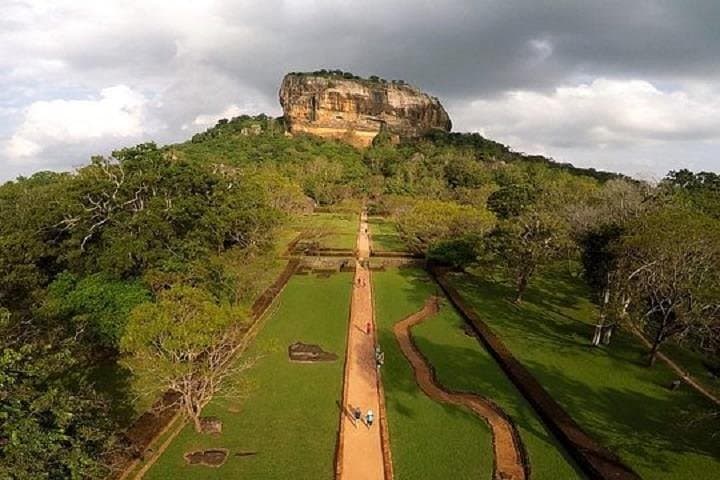
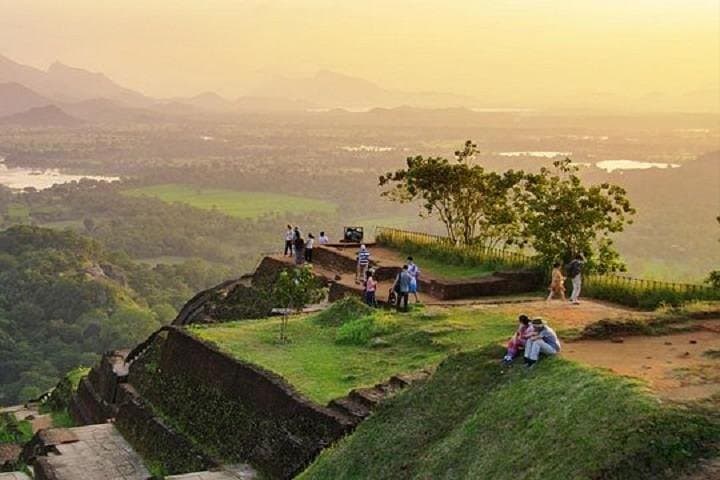
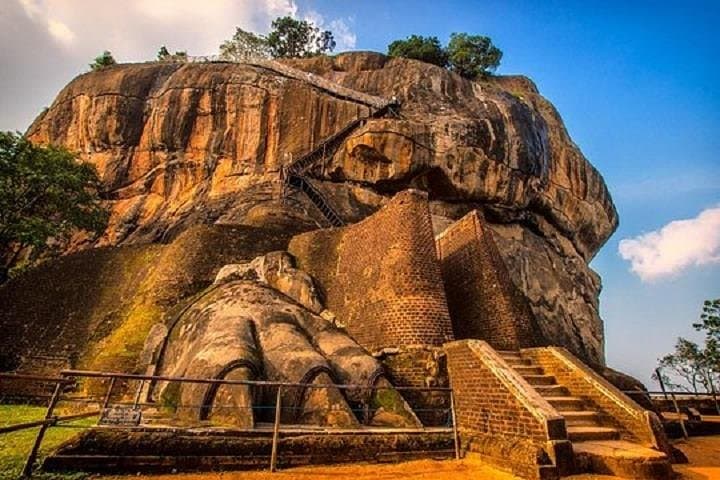
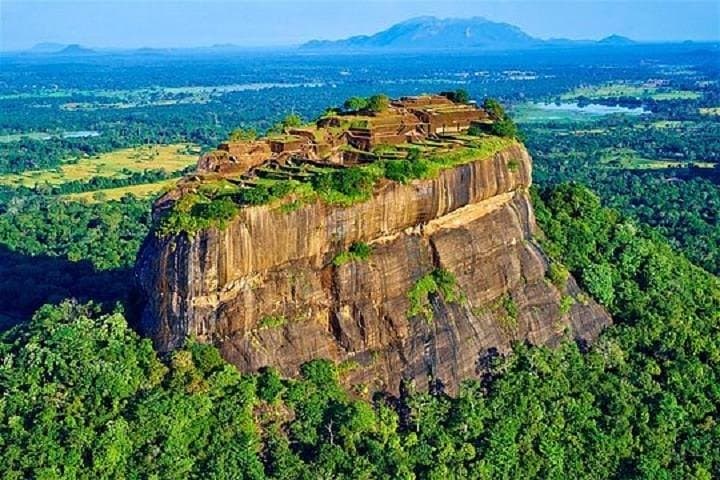
Before dawn the minivan slips away from the coast and the road narrows into paddy-country—lanterns glint on temple gables and water buffalo eye the headlights. By the time the sky lightens you will be standing at the base of a flat-topped giant: Sigiriya, the Lion Rock, a sheer slab of granite rising roughly 200 meters from the surrounding plain. The climb begins with carved pathways and ends on a rocky platform where ruined royal foundations and a single, panoramic view claim your attention.
Before dawn the minivan slips away from the coast and the road narrows into paddy-country—lanterns glint on temple gables and water buffalo eye the headlights. By the time the sky lightens you will be standing at the base of a flat-topped giant: Sigiriya, the Lion Rock, a sheer slab of granite rising roughly 200 meters from the surrounding plain. The climb begins with carved pathways and ends on a rocky platform where ruined royal foundations and a single, panoramic view claim your attention.
The day pairs Sigiriya with Dambulla’s Golden Cave Temple, two UNESCO-listed corners of Sri Lanka’s layered past. Sigiriya’s plateau was transformed in the 5th century into a fortified palace and landscaped gardens—advanced hydraulic systems still trace channels and ponds below. The rock itself is ancient Precambrian gneiss; erosion left the harder core as an island of stone above cultivated plains. Dambulla, by contrast, is a series of five caves about 160 meters above the road where kings repurposed natural overhangs into a painted, gilded shrine. The painted Buddhas and reclining figures you’ll find inside span centuries of patronage; gold leaf and pigment were reapplied as tastes and rulers changed.
Culturally the route moves from royal projection to devotional practice. Locals still bring offerings at Dambulla; outside the caves, vendors sell lotus flowers and small bronze Buddhas. The private tour format from Bentota makes this a one-day sprint: pickup at 5:00 a.m., air-conditioned car, on-board Wi‑Fi, and bottled water included—entrance fees for both sites are covered.
Practical guide: expect a long day—roughly 12–14 hours total including transit. Sigiriya’s ascent involves steep staircases and metal walkways with roughly 200 meters of elevation gain; count on 30–60 minutes to reach the summit depending on your pace and the crowds. Dambulla requires a shorter uphill approach and several flights of steps to reach the caves. Temperatures can climb fast; humidity and sun are the day’s constant companions.
Bring sturdy closed-toe shoes for the rock, a hat and sunscreen, and clothing that covers shoulders and knees for temple respect. Photography is allowed in many areas but watch for signs and show deference inside active shrines.
This tour compresses two of Sri Lanka’s most compelling archaeological sites into a single, well-organized day—ideal for coastal travelers who want to trade sand for stone without negotiating transport and logistics. If you want more time, consider an overnight in nearby Sigiriya or Dambulla to watch the light slow across the rock and avoid the midafternoon heat.