THE ADVENTURE COLLECTIVE® · Independent discovery and booking for outdoor travel

Start before dawn and climb the ancient Lion Rock, then switch gears with a jeep safari through Hiriwadunna’s paddy fields and a hands‑on village lunch. This full‑day from Pasikuda blends archaeology, rural life, and panoramic viewpoints.
Start before dawn and climb the ancient Lion Rock, then switch gears with a jeep safari through Hiriwadunna’s paddy fields and a hands‑on village lunch. This full‑day from Pasikuda blends archaeology, rural life, and panoramic viewpoints.
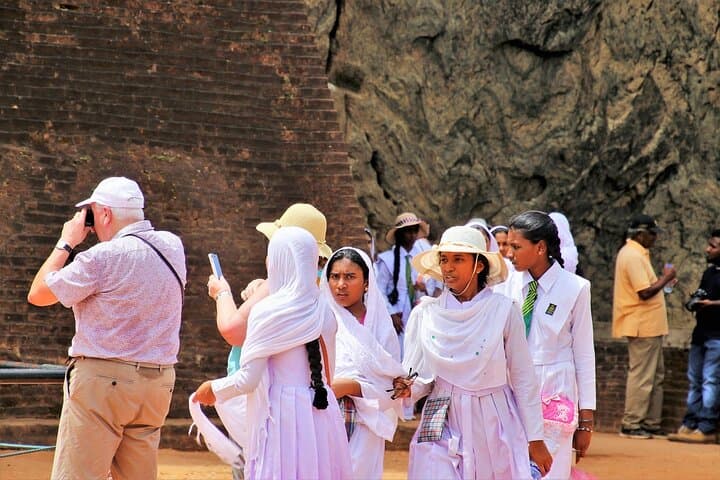
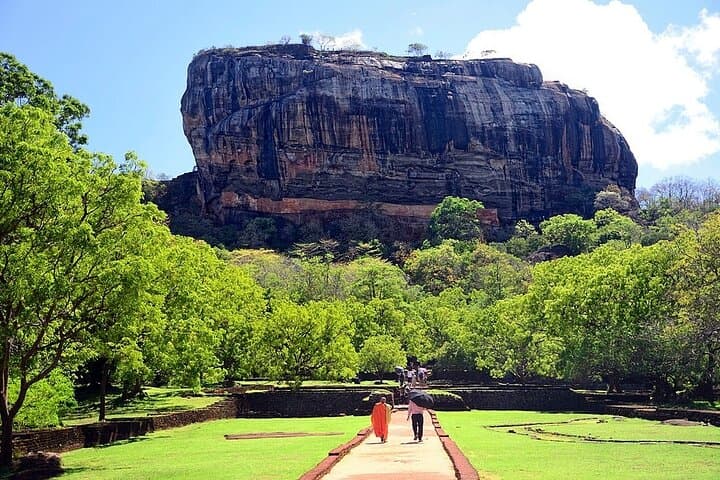
You leave Pasikuda before dawn, the van cutting a quiet line through paddy fields while the sky lightens to a pale promise. By the time the silhouette of Sigiriya—Lion Rock—first resolves into a sheer column of stone, the morning has already warmed the air and the birds are bold. Climbers gather at the base: local guides, families, and a few determined solo travelers. The ascent begins on carved stone steps and iron stairways that hug the cliff. Between breaths you watch frescos peep out from sheltered niches and a polished “mirror wall” where ancient visitors once scratched poems.
Verified experiences and guided adventures in the surrounding area.
Operated by Ceylon Travel Dream · Sigiriya, Central Province
You leave Pasikuda before dawn, the van cutting a quiet line through paddy fields while the sky lightens to a pale promise. By the time the silhouette of Sigiriya—Lion Rock—first resolves into a sheer column of stone, the morning has already warmed the air and the birds are bold. Climbers gather at the base: local guides, families, and a few determined solo travelers. The ascent begins on carved stone steps and iron stairways that hug the cliff. Between breaths you watch frescos peep out from sheltered niches and a polished “mirror wall” where ancient visitors once scratched poems.
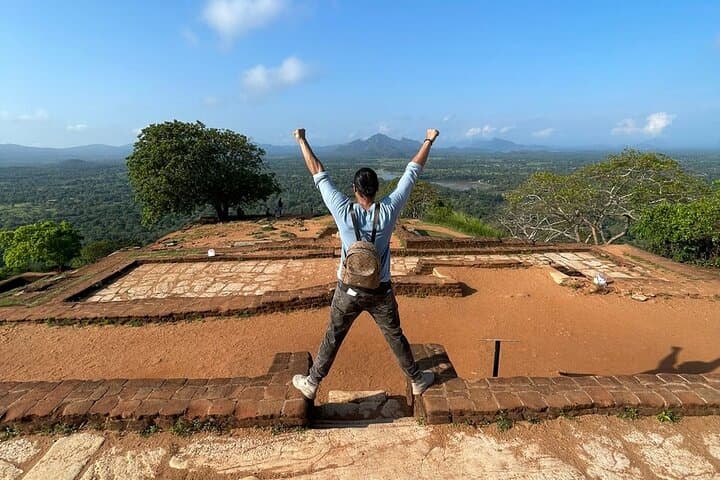
Sigiriya is not only a climb; it is a page from Sri Lanka’s early medieval history. King Kashyapa raised his palace on this 180‑metre rock in the late 5th century AD, carving terraces and hydraulic gardens into the surrounding plain. Geologically the outcrop is a hard core of Precambrian rock that weathered differently from its surroundings, so the column stands like a punched‑out remnant of an older landscape. The site’s water gardens and reservoirs still demonstrate sophisticated ancient hydrology—channels, canals and pools that move and catch water with deliberate grace.
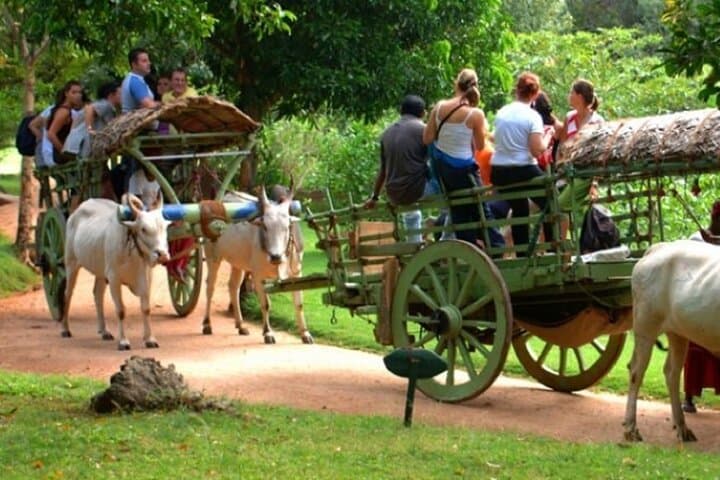
After descending, the tour shifts tone: the jeep safari through Hiriwadunna village strolls across a mosaic of flooded fields and man‑made tanks where water sits like another sky. The village’s economy pivots on rice and smallholder agriculture; you’ll meet farmers guiding bullock carts, fishermen tending nets, and households cooking over wood fires. The highlight is a hands‑on village lunch—under the guidance of hosts, you help prepare rice, curries and sambol—simple ingredients, layered flavor. Expect a friendly exchange rather than a staged performance.
Practical matters shape the day. The full trip runs about 11–12 hours door‑to‑door from Pasikuda or Kalkuda, and the supplier warns of roughly five hours of round‑trip driving. Climbers should be able to handle extended stair sections and some exposed walkways; the route includes metal staircases and narrow ledges. Entrance to Sigiriya is typically purchased at the site (confirm with your operator whether it’s included), and photography is rewarding but requires care—midday light flattens the views, so shoot early or late.
Packing and pacing make the difference: sturdy shoes, sun protection, and at least 2 liters of water are non‑negotiable. Respect local customs in Hiriwadunna—remove shoes before entering homes, accept invitations to taste food, and ask before photographing people. In return you leave with a clearer sense of Sri Lanka’s layered past: a rock that dared a king to build above the plain, and a village that keeps the country’s agrarian rhythm alive.
moderate.
11–12 hours.
Moderate fitness needed: comfortable on long stair sections and short hikes; not suitable for those with serious mobility or heart/spinal issues.
Expect roughly five hours total driving time for the round trip between Pasikuda and Sigiriya, so the full outing is an 11–12 hour day.
It’s often not included—confirm with your operator and bring cash or card to purchase tickets at the site if necessary.
Children who can manage stairs and older travelers in good health can make the climb, but the route involves many steps and some exposed sections—assess mobility and stamina first.
Lunch typically features local staples—rice, vegetable and meat curries, and coconut sambol—prepared with hosts so you can help and learn simple techniques.
There are basic facilities at the base of Sigiriya and in the village, but amenities are simple; bring hand sanitizer and small change for small fees.
Tours run year‑round but can be adjusted or canceled in heavy rain; expect wet trails and occasional transport delays during monsoon periods.
Sigiriya served as a fortified royal citadel under King Kashyapa in the late 5th century AD; its gardens and hydraulic systems reveal advanced planning from that era.
Visitors should stick to marked paths to protect frescoes and ancient masonry; Hiriwadunna’s wetlands are sensitive—avoid leaving waste and respect local agriculture.
Ceylon Travel Dream operates guided outdoor trips and adventures with an emphasis on safety, stewardship, and memorable experiences.
You leave Pasikuda before dawn, the van cutting a quiet line through paddy fields while the sky lightens to a pale promise. By the time the silhouette of Sigiriya—Lion Rock—first resolves into a sheer column of stone, the morning has already warmed the air and the birds are bold. Climbers gather at the base: local guides, families, and a few determined solo travelers. The ascent begins on carved stone steps and iron stairways that hug the cliff. Between breaths you watch frescos peep out from sheltered niches and a polished “mirror wall” where ancient visitors once scratched poems.
You leave Pasikuda before dawn, the van cutting a quiet line through paddy fields while the sky lightens to a pale promise. By the time the silhouette of Sigiriya—Lion Rock—first resolves into a sheer column of stone, the morning has already warmed the air and the birds are bold. Climbers gather at the base: local guides, families, and a few determined solo travelers. The ascent begins on carved stone steps and iron stairways that hug the cliff. Between breaths you watch frescos peep out from sheltered niches and a polished “mirror wall” where ancient visitors once scratched poems.
Sigiriya is not only a climb; it is a page from Sri Lanka’s early medieval history. King Kashyapa raised his palace on this 180‑metre rock in the late 5th century AD, carving terraces and hydraulic gardens into the surrounding plain. Geologically the outcrop is a hard core of Precambrian rock that weathered differently from its surroundings, so the column stands like a punched‑out remnant of an older landscape. The site’s water gardens and reservoirs still demonstrate sophisticated ancient hydrology—channels, canals and pools that move and catch water with deliberate grace.
After descending, the tour shifts tone: the jeep safari through Hiriwadunna village strolls across a mosaic of flooded fields and man‑made tanks where water sits like another sky. The village’s economy pivots on rice and smallholder agriculture; you’ll meet farmers guiding bullock carts, fishermen tending nets, and households cooking over wood fires. The highlight is a hands‑on village lunch—under the guidance of hosts, you help prepare rice, curries and sambol—simple ingredients, layered flavor. Expect a friendly exchange rather than a staged performance.
Practical matters shape the day. The full trip runs about 11–12 hours door‑to‑door from Pasikuda or Kalkuda, and the supplier warns of roughly five hours of round‑trip driving. Climbers should be able to handle extended stair sections and some exposed walkways; the route includes metal staircases and narrow ledges. Entrance to Sigiriya is typically purchased at the site (confirm with your operator whether it’s included), and photography is rewarding but requires care—midday light flattens the views, so shoot early or late.
Packing and pacing make the difference: sturdy shoes, sun protection, and at least 2 liters of water are non‑negotiable. Respect local customs in Hiriwadunna—remove shoes before entering homes, accept invitations to taste food, and ask before photographing people. In return you leave with a clearer sense of Sri Lanka’s layered past: a rock that dared a king to build above the plain, and a village that keeps the country’s agrarian rhythm alive.