THE ADVENTURE COLLECTIVE® · Independent discovery and booking for outdoor travel

Scale the 200‑meter Sigiriya rock fortress and wander the painted caves of Dambulla on a full-day private tour from Colombo. This route combines dramatic climbs, UNESCO heritage, and practical local insights for a single, well-paced day of exploration.
Scale the 200‑meter Sigiriya rock fortress and wander the painted caves of Dambulla on a full-day private tour from Colombo. This route combines dramatic climbs, UNESCO heritage, and practical local insights for a single, well-paced day of exploration.
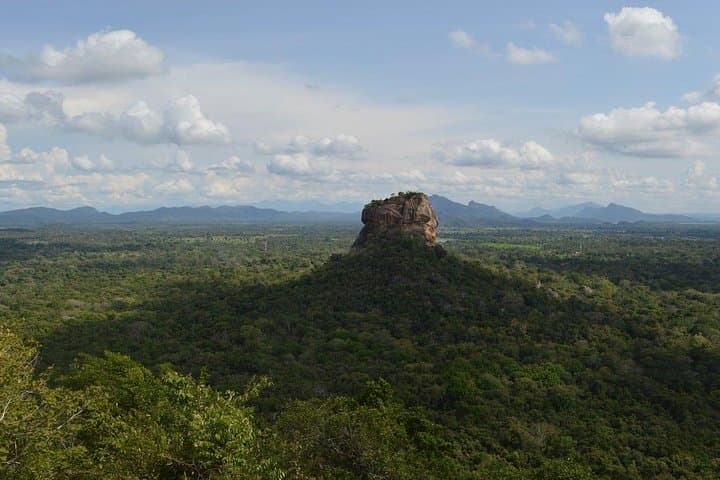
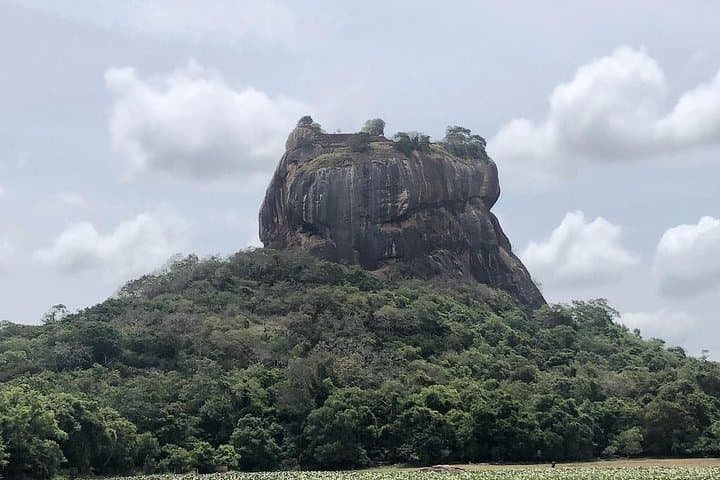
Morning light hits the face of Sigiriya before most visitors arrive, and the rock seems to wake up as if it were a living thing — warm, impenetrable, daring you to climb. On a full-day private tour from Colombo or Negombo, travelers move from humid lowland roads into the Central Province’s sculpted landscape: the abrupt 200‑meter (660 ft) column of Sigiriya rising from flat paddy fields, then on to the weathered limestone outcrop that holds the painted caves of Dambulla.
Verified experiences and guided adventures in the surrounding area.
Operated by Sri Shannon Tours · Dambulla, Central Province
Morning light hits the face of Sigiriya before most visitors arrive, and the rock seems to wake up as if it were a living thing — warm, impenetrable, daring you to climb. On a full-day private tour from Colombo or Negombo, travelers move from humid lowland roads into the Central Province’s sculpted landscape: the abrupt 200‑meter (660 ft) column of Sigiriya rising from flat paddy fields, then on to the weathered limestone outcrop that holds the painted caves of Dambulla.
Sigiriya is more than a climb; it’s an engineered palace and fortress carved into volcanic and metamorphic rock some 1,500 years ago under King Kashyapa. Visitors ascend a combination of earthen terraces, carved stairs and metal stairways that thread past the famous fresco gallery and the mirrored water gardens below. The geological story is obvious underfoot — hard, erosion-resistant rock that survived the slow wearing of the plains around it.
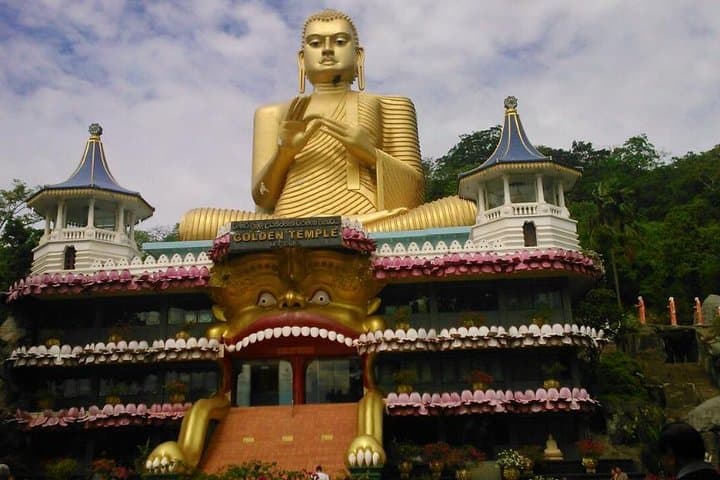
Dambulla’s Golden Temple is a different kind of time capsule. Its five caves contain dozens of Buddha statues and murals painted over centuries, set inside a low, cool rock shelter that contrasts the open summit of Sigiriya. Local villagers still bring offerings and perform morning rituals here; the site’s designation as a UNESCO World Heritage Site speaks to its cultural continuity and artistry.
Practicalities matter on a day like this. Plan for an 8–12 hour day with private transport and bottled water included, but note entrance fees are typically paid on-site. Expect about 200 meters of elevation gain at Sigiriya and roughly a 200–400 meter uphill approach to the Dambulla cave complex, both involving steep, uneven steps. Wear grippy shoes, bring sun protection and a refillable water bottle, and carry small change for tickets, snacks and temple donations.
Timing is everything: start Sigiriya at first light to avoid heat and crowds, and leave Dambulla for the softer light of late afternoon if you want interior scenes without harsh shadows. Respect temple protocols — shoulders and knees covered, shoes removed inside caves — and be prepared for intermittent vendors at both sites.
A private guide transforms the logistics into storytelling: pointing out irrigation ruins, explaining fresco restoration, and translating local life glimpsed in roadside hamlets. For travelers who want history, geology and a physically engaging day, this itinerary pairs two of Sri Lanka’s signature cultural climbs into a single, manageable adventure.
moderate.
8–12 hours.
Moderate fitness — you should be comfortable climbing stairs and walking on uneven surfaces for several hours.
From Colombo the drive is typically 3–4 hours each way depending on traffic; tours usually include pickup from Colombo or Negombo.
Admission is usually paid on-site, so bring cash; the tour’s inclusions list notes transport and bottled water but not attraction tickets.
Yes, but participants should be able to manage stairs and short steep sections; the supplier notes moderate fitness is required and it's not recommended for those with serious back or heart conditions.
Shoulders and knees should be covered out of respect; shoes must be removed before entering the caves.
Photography is allowed in many areas but check with your guide and respect signs — some sections restrict flash to protect murals.
There are shaded rest areas and small vendors selling snacks and drinks near both sites, but choices are limited so bring extra water and snacks if desired.
Sigiriya was fortified and converted into a royal palace in the 5th century under King Kashyapa; Dambulla’s caves contain Buddhist art spanning over 2,000 years.
Both sites are protected as cultural landscapes; stick to marked paths and avoid touching frescoes or statues to minimize wear and support ongoing preservation efforts.
Sri Shannon Tours operates guided outdoor trips and adventures with an emphasis on safety, stewardship, and memorable experiences.
Morning light hits the face of Sigiriya before most visitors arrive, and the rock seems to wake up as if it were a living thing — warm, impenetrable, daring you to climb. On a full-day private tour from Colombo or Negombo, travelers move from humid lowland roads into the Central Province’s sculpted landscape: the abrupt 200‑meter (660 ft) column of Sigiriya rising from flat paddy fields, then on to the weathered limestone outcrop that holds the painted caves of Dambulla.
Morning light hits the face of Sigiriya before most visitors arrive, and the rock seems to wake up as if it were a living thing — warm, impenetrable, daring you to climb. On a full-day private tour from Colombo or Negombo, travelers move from humid lowland roads into the Central Province’s sculpted landscape: the abrupt 200‑meter (660 ft) column of Sigiriya rising from flat paddy fields, then on to the weathered limestone outcrop that holds the painted caves of Dambulla.
Sigiriya is more than a climb; it’s an engineered palace and fortress carved into volcanic and metamorphic rock some 1,500 years ago under King Kashyapa. Visitors ascend a combination of earthen terraces, carved stairs and metal stairways that thread past the famous fresco gallery and the mirrored water gardens below. The geological story is obvious underfoot — hard, erosion-resistant rock that survived the slow wearing of the plains around it.
Dambulla’s Golden Temple is a different kind of time capsule. Its five caves contain dozens of Buddha statues and murals painted over centuries, set inside a low, cool rock shelter that contrasts the open summit of Sigiriya. Local villagers still bring offerings and perform morning rituals here; the site’s designation as a UNESCO World Heritage Site speaks to its cultural continuity and artistry.
Practicalities matter on a day like this. Plan for an 8–12 hour day with private transport and bottled water included, but note entrance fees are typically paid on-site. Expect about 200 meters of elevation gain at Sigiriya and roughly a 200–400 meter uphill approach to the Dambulla cave complex, both involving steep, uneven steps. Wear grippy shoes, bring sun protection and a refillable water bottle, and carry small change for tickets, snacks and temple donations.
Timing is everything: start Sigiriya at first light to avoid heat and crowds, and leave Dambulla for the softer light of late afternoon if you want interior scenes without harsh shadows. Respect temple protocols — shoulders and knees covered, shoes removed inside caves — and be prepared for intermittent vendors at both sites.
A private guide transforms the logistics into storytelling: pointing out irrigation ruins, explaining fresco restoration, and translating local life glimpsed in roadside hamlets. For travelers who want history, geology and a physically engaging day, this itinerary pairs two of Sri Lanka’s signature cultural climbs into a single, manageable adventure.