THE ADVENTURE COLLECTIVE® · Independent discovery and booking for outdoor travel

A compact but demanding 4-day climb around Mount Meru that pairs game viewing and montane forest with dramatic ridge walking and sunrise views from Cobra Point. Expect varied terrain, basic huts, and significant elevation changes—ideal for fit trekkers comfortable at altitude.
A compact but demanding 4-day climb around Mount Meru that pairs game viewing and montane forest with dramatic ridge walking and sunrise views from Cobra Point. Expect varied terrain, basic huts, and significant elevation changes—ideal for fit trekkers comfortable at altitude.
The trail opens with grasslands that breathe and low clouds drifting over distant Kilimanjaro—your boots sink into soil warmed by late morning sun as buffalo lift their heads and elephants ghost through the trees. From Momella Gate the route hustles into montane forest, a steady climb that pushes you through stands of fig trees where porters and guides spread out lunch under broad branches. By afternoon the path thins and the mountain begins to speak: cliffs rise like folded maps, and the ash cone at the heart of Meru dares you upward.
Verified experiences and guided adventures in the surrounding area.
Operated by ZARA TOURS · Moshi, Arusha Region
The trail opens with grasslands that breathe and low clouds drifting over distant Kilimanjaro—your boots sink into soil warmed by late morning sun as buffalo lift their heads and elephants ghost through the trees. From Momella Gate the route hustles into montane forest, a steady climb that pushes you through stands of fig trees where porters and guides spread out lunch under broad branches. By afternoon the path thins and the mountain begins to speak: cliffs rise like folded maps, and the ash cone at the heart of Meru dares you upward.
Mount Meru is an extinct stratovolcano that predates its more famous neighbor, Kilimanjaro. Geologically it's a compact lesson in volcanic layers—lava, ash and a crater rim carved by long weather. The climb threads ecological zones: open grassland, montane forest rich with white-and-black colobus and turacos, then heath and moorland where giant heather bristles against wind. Culturally the slopes sit within Arusha National Park and are woven into local Meru and Maasai livelihoods; the mountain’s trails have long been used for game movement and ceremonial passage rather than as a modern “summit” goal.
The itinerary is practical and purposeful: Day 1, Momella Gate (1,500 m) to Miriakamba Hut (2,514 m) — 4–6 hours, ~1,014 m ascent, with game viewing early on. Day 2 climbs sharply to Saddle Hut (3,570 m) — 3–5 hours, ~1,056 m ascent; energetic trekkers can tag Little Meru (3,820 m) at sunset. Day 3 begins before 02:00 for a long, exposed push to Cobra Point (4,350 m) and Socialist Peak (4,566 m) — expect a 10–12 hour day with nearly 1,000 m ascent then a steep descent. Day 4 is a brisk descent to Momella Gate — 2–3 hours. Huts are basic; water may be collected from nearby streams at higher camps.
Practical guidance: acclimatize in Moshi for at least a day and expect significant elevation change—altitude headaches are possible. Sturdy, well-broken-in boots and a layered clothing system are essential; night climbs are cold and windy. Hydration and steady pacing matter: carry water treatment or use hut-supplied sources boiled/treated by guides. Porters handle most kit but luggage is limited to one suitcase plus carry-on per person—confirm any oversized items in advance.
Wildlife encounters are common in the lower zones; keep distance and follow your guide. The best windows for clear crater and Kilimanjaro views are dawn and late afternoon—clouds often build midday. Book with operators who include government fees and experienced guides; that local expertise turns dramatic ridge walking into a controlled, memorable expedition.
challenging.
4 days.
Good cardiovascular fitness and prior multi-day trekking experience recommended; expect long days and significant elevation gain.
Yes—this climb includes all government fees and park charges as listed in the tour inclusions.
You should have good cardiovascular fitness and experience on multi-day hikes; expect 1,000+m daily ascents on parts of the route.
Acclimatize beforehand, ascend deliberately, stay hydrated, and notify guides immediately if you have persistent headache or nausea; guides are trained to respond.
No technical gear like ropes or harnesses is needed—this is a non-technical but demanding trekking route.
Yes—lower elevations offer buffalo, warthogs, elephants and a variety of monkeys and birds; sightings are common early and late in the day.
Each traveler is allowed one suitcase and one carry-on; oversized equipment may be restricted—confirm with the operator before travel.
Mount Meru is an older stratovolcano in Arusha National Park; its slopes have long provided grazing and ritual routes for local communities before modern trekking began.
Arusha National Park protects the mountain’s ecosystems and wildlife; visitors should stay on trails, pack out waste, and follow guide instructions to minimize impact.
ZARA TOURS operates guided outdoor trips and adventures with an emphasis on safety, stewardship, and memorable experiences.
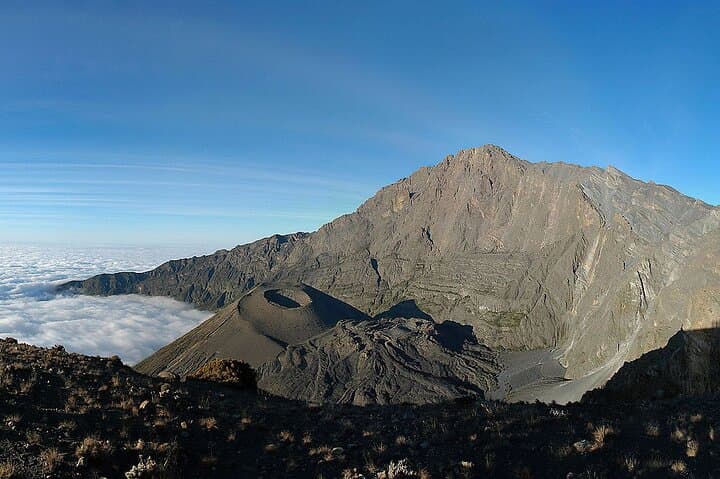
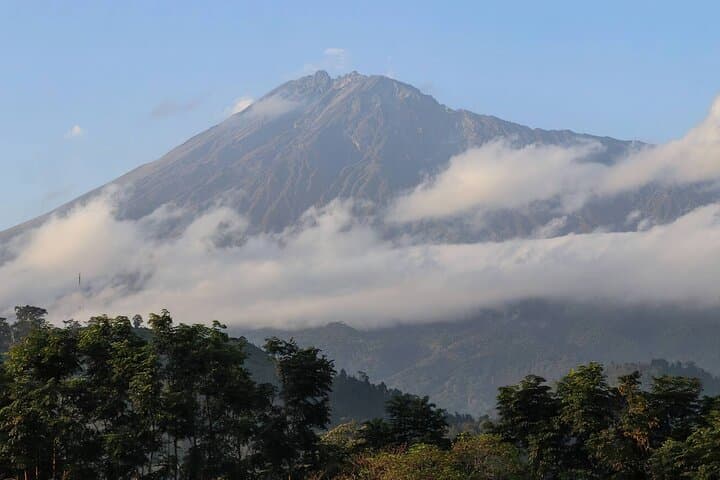
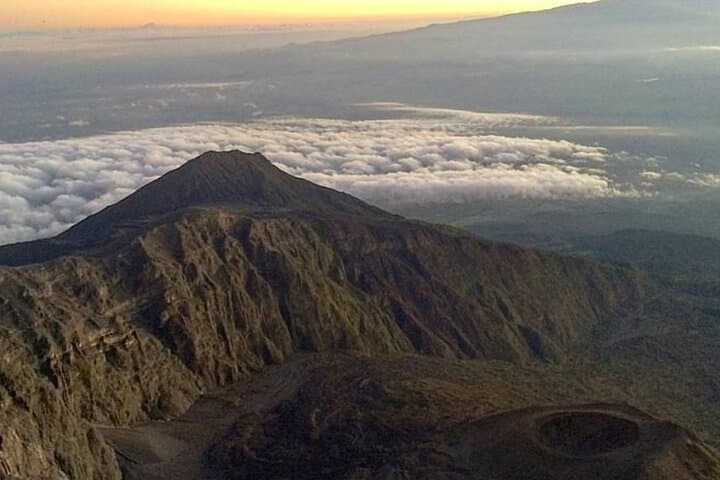
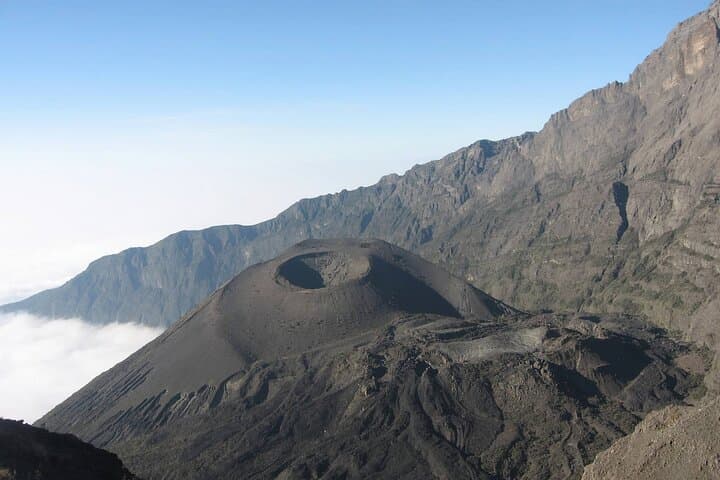
The trail opens with grasslands that breathe and low clouds drifting over distant Kilimanjaro—your boots sink into soil warmed by late morning sun as buffalo lift their heads and elephants ghost through the trees. From Momella Gate the route hustles into montane forest, a steady climb that pushes you through stands of fig trees where porters and guides spread out lunch under broad branches. By afternoon the path thins and the mountain begins to speak: cliffs rise like folded maps, and the ash cone at the heart of Meru dares you upward.
The trail opens with grasslands that breathe and low clouds drifting over distant Kilimanjaro—your boots sink into soil warmed by late morning sun as buffalo lift their heads and elephants ghost through the trees. From Momella Gate the route hustles into montane forest, a steady climb that pushes you through stands of fig trees where porters and guides spread out lunch under broad branches. By afternoon the path thins and the mountain begins to speak: cliffs rise like folded maps, and the ash cone at the heart of Meru dares you upward.
Mount Meru is an extinct stratovolcano that predates its more famous neighbor, Kilimanjaro. Geologically it's a compact lesson in volcanic layers—lava, ash and a crater rim carved by long weather. The climb threads ecological zones: open grassland, montane forest rich with white-and-black colobus and turacos, then heath and moorland where giant heather bristles against wind. Culturally the slopes sit within Arusha National Park and are woven into local Meru and Maasai livelihoods; the mountain’s trails have long been used for game movement and ceremonial passage rather than as a modern “summit” goal.
The itinerary is practical and purposeful: Day 1, Momella Gate (1,500 m) to Miriakamba Hut (2,514 m) — 4–6 hours, ~1,014 m ascent, with game viewing early on. Day 2 climbs sharply to Saddle Hut (3,570 m) — 3–5 hours, ~1,056 m ascent; energetic trekkers can tag Little Meru (3,820 m) at sunset. Day 3 begins before 02:00 for a long, exposed push to Cobra Point (4,350 m) and Socialist Peak (4,566 m) — expect a 10–12 hour day with nearly 1,000 m ascent then a steep descent. Day 4 is a brisk descent to Momella Gate — 2–3 hours. Huts are basic; water may be collected from nearby streams at higher camps.
Practical guidance: acclimatize in Moshi for at least a day and expect significant elevation change—altitude headaches are possible. Sturdy, well-broken-in boots and a layered clothing system are essential; night climbs are cold and windy. Hydration and steady pacing matter: carry water treatment or use hut-supplied sources boiled/treated by guides. Porters handle most kit but luggage is limited to one suitcase plus carry-on per person—confirm any oversized items in advance.
Wildlife encounters are common in the lower zones; keep distance and follow your guide. The best windows for clear crater and Kilimanjaro views are dawn and late afternoon—clouds often build midday. Book with operators who include government fees and experienced guides; that local expertise turns dramatic ridge walking into a controlled, memorable expedition.