THE ADVENTURE COLLECTIVE® · Independent discovery and booking for outdoor travel

Five days on the Marangu Route take you from lush rainforest to the crater rim of Kibo and the summit at Uhuru Peak. This guide blends route-specific logistics, cultural context, and practical tips to help you prepare for a fast, hut-based ascent.
Five days on the Marangu Route take you from lush rainforest to the crater rim of Kibo and the summit at Uhuru Peak. This guide blends route-specific logistics, cultural context, and practical tips to help you prepare for a fast, hut-based ascent.
You begin before dawn in Moshi, the town’s lights dwindling as the minibus chews up the dirt road toward Marangu Gate. The first steps through montane rainforest feel soft—leaf litter quiets your boots, streams dart and dare you to catch their reflections—then the trail opens, and the mountain shows a different face: lobelias like ancient candelabras, moorland that snaps with wind, and finally the raw, stony silence of the alpine desert. Over five days along the Marangu Route, huts replace tents, guides and porters become the heartbeat of the itinerary, and the summit—Uhuru Peak at 5,895 m—waits with a thin, bright sky.
Verified experiences and guided adventures in the surrounding area.
Operated by Jambo International Tour · Moshi, Kilimanjaro Region
You begin before dawn in Moshi, the town’s lights dwindling as the minibus chews up the dirt road toward Marangu Gate. The first steps through montane rainforest feel soft—leaf litter quiets your boots, streams dart and dare you to catch their reflections—then the trail opens, and the mountain shows a different face: lobelias like ancient candelabras, moorland that snaps with wind, and finally the raw, stony silence of the alpine desert. Over five days along the Marangu Route, huts replace tents, guides and porters become the heartbeat of the itinerary, and the summit—Uhuru Peak at 5,895 m—waits with a thin, bright sky.
Marangu is historically the oldest footpath on Kilimanjaro and the most established route; it was popularized in colonial-era treks and remains the only path with hut accommodations. Geologically, Kibo’s volcanic cone records ice ages and eruptions—its ash and scree tell the story of a mountain shaped by fire and time. Culturally, the climb threads through Chagga farmland around Moshi—terraced fields and banana groves feed local communities that have long guided outsiders up the slopes.
Days 1 and 2 ease you from rainforest (1,860 → 2,700 m, 8 km) into open heathlands (to 3,700 m, 12 km), a deliberate ascent to help acclimatize. Day 3 pushes to Kibo Hut with nearly 1,000 m of gain, moving into alpine desert where the wind rearranges every footprint. Summit night begins around midnight—plunging into the cold, a slow, step-by-step climb on scree and possibly snow to Gilman’s Point and onward to Uhuru. The descent is long, rewarding, and sometimes brutal on tired knees; expect 15 km down from the crater rim to Horombo.
Practical guidance: pace yourself with a conservative rhythm—two steps up, one breath longer—and hydrate often: altitude steals fluids. Huts offer basic bunks and communal meals, so pack warm, layered clothing for summit night and a lightweight sleeping liner for comfort. Porters carry the bulk, but carry your daypack with water, snacks, rain shell, and headlamp. Altitude sickness can happen to anyone; bring a pulse oximeter if you want data, and communicate any headaches, nausea, or dizziness immediately to guides.
Logistics are simple: pickups in Moshi or Kilimanjaro Airport, park and rescue fees are included, and certificates await successful climbers. The Marangu Route is shorter and more social than other lines, which makes it attractive—but understand the trade-off: fewer acclimatization days means a tougher summit push. If the mountain teaches anything, it’s humility; respect the pace, the weather, and the people who get you there.
challenging.
5 days.
Good aerobic fitness with experience on multi-day hikes; expect long summit-night exertion and significant altitude gain.
Huts are basic but dry—wood or concrete bunks with mattresses; bring a sleeping liner for hygiene and extra warmth.
No technical climbing skills are needed—the route is a strenuous trek rather than a technical climb—but high-altitude experience helps.
Altitude sickness is a common risk; the 5-day Marangu schedule is shorter, so watch symptoms and communicate with guides immediately.
Typical inclusions are park and government fees, guide, hut accommodation, meals as listed, camping tools where applicable, and a summit certificate.
June–October and January–March offer the most stable weather; short rains in November and long rains around April can make routes muddy and visibility poor.
Check Tanzania entry requirements for your nationality; yellow fever vaccination may be required depending on travel history—consult a travel clinic well before departure.
The Marangu Route was established during early 20th-century colonial expeditions and became the first organized access for commercial trekking on Kilimanjaro.
Kilimanjaro National Park is a UNESCO World Heritage site; stick to trails, avoid single-use plastics, and support locally run porter protection initiatives.
Jambo International Tour operates guided outdoor trips and adventures with an emphasis on safety, stewardship, and memorable experiences.
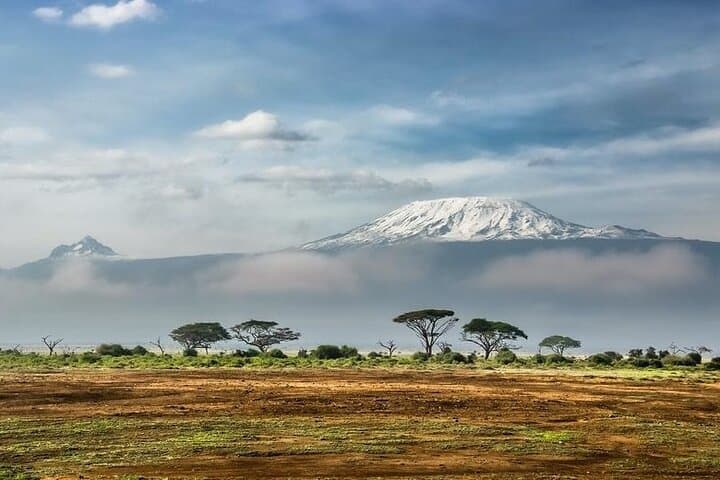


You begin before dawn in Moshi, the town’s lights dwindling as the minibus chews up the dirt road toward Marangu Gate. The first steps through montane rainforest feel soft—leaf litter quiets your boots, streams dart and dare you to catch their reflections—then the trail opens, and the mountain shows a different face: lobelias like ancient candelabras, moorland that snaps with wind, and finally the raw, stony silence of the alpine desert. Over five days along the Marangu Route, huts replace tents, guides and porters become the heartbeat of the itinerary, and the summit—Uhuru Peak at 5,895 m—waits with a thin, bright sky.
You begin before dawn in Moshi, the town’s lights dwindling as the minibus chews up the dirt road toward Marangu Gate. The first steps through montane rainforest feel soft—leaf litter quiets your boots, streams dart and dare you to catch their reflections—then the trail opens, and the mountain shows a different face: lobelias like ancient candelabras, moorland that snaps with wind, and finally the raw, stony silence of the alpine desert. Over five days along the Marangu Route, huts replace tents, guides and porters become the heartbeat of the itinerary, and the summit—Uhuru Peak at 5,895 m—waits with a thin, bright sky.
Marangu is historically the oldest footpath on Kilimanjaro and the most established route; it was popularized in colonial-era treks and remains the only path with hut accommodations. Geologically, Kibo’s volcanic cone records ice ages and eruptions—its ash and scree tell the story of a mountain shaped by fire and time. Culturally, the climb threads through Chagga farmland around Moshi—terraced fields and banana groves feed local communities that have long guided outsiders up the slopes.
Days 1 and 2 ease you from rainforest (1,860 → 2,700 m, 8 km) into open heathlands (to 3,700 m, 12 km), a deliberate ascent to help acclimatize. Day 3 pushes to Kibo Hut with nearly 1,000 m of gain, moving into alpine desert where the wind rearranges every footprint. Summit night begins around midnight—plunging into the cold, a slow, step-by-step climb on scree and possibly snow to Gilman’s Point and onward to Uhuru. The descent is long, rewarding, and sometimes brutal on tired knees; expect 15 km down from the crater rim to Horombo.
Practical guidance: pace yourself with a conservative rhythm—two steps up, one breath longer—and hydrate often: altitude steals fluids. Huts offer basic bunks and communal meals, so pack warm, layered clothing for summit night and a lightweight sleeping liner for comfort. Porters carry the bulk, but carry your daypack with water, snacks, rain shell, and headlamp. Altitude sickness can happen to anyone; bring a pulse oximeter if you want data, and communicate any headaches, nausea, or dizziness immediately to guides.
Logistics are simple: pickups in Moshi or Kilimanjaro Airport, park and rescue fees are included, and certificates await successful climbers. The Marangu Route is shorter and more social than other lines, which makes it attractive—but understand the trade-off: fewer acclimatization days means a tougher summit push. If the mountain teaches anything, it’s humility; respect the pace, the weather, and the people who get you there.