THE ADVENTURE COLLECTIVE® · Independent discovery and booking for outdoor travel

This 3-day hike from Kathmandu follows the northern rim of the valley from Sundarijal to Nagarkot via Chisapani—forest trails, village tea houses and a memorable sunrise at Nagarkot view tower. Perfect for hikers who want big Himalayan panoramas without high-altitude logistics.
This 3-day hike from Kathmandu follows the northern rim of the valley from Sundarijal to Nagarkot via Chisapani—forest trails, village tea houses and a memorable sunrise at Nagarkot view tower. Perfect for hikers who want big Himalayan panoramas without high-altitude logistics.
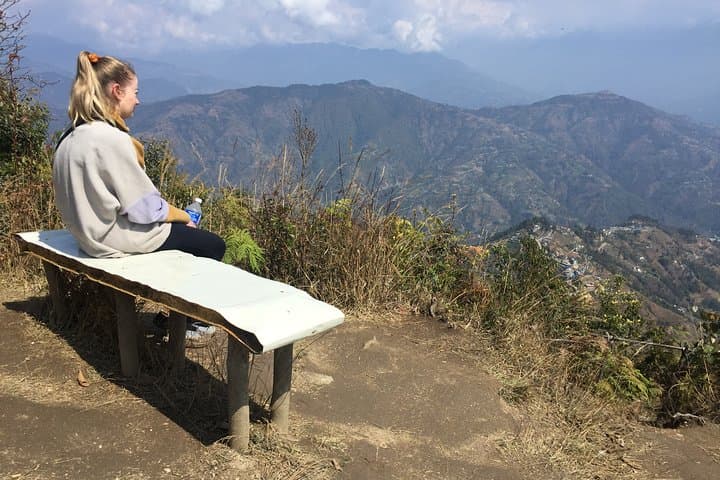
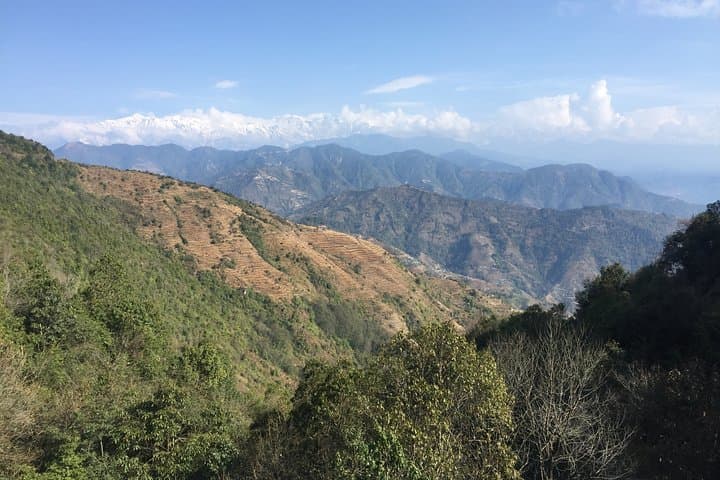
On the third morning the sky opens like a sheet of glass and the Himalayan skyline—lots of pyramids and jagged teeth—slides into view. Travelers who spent the night in Nagarkot climb to the view tower before breakfast and watch distant peaks sharpen as sunlight cuts across terraced hills. That sunrise is the payoff for two days of walking along forested ridgelines, stopping at village tea houses and reading the slow rhythms of hill life.
Verified experiences and guided adventures in the surrounding area.
Operated by Happyland Treks · Nagarkot, Bagmati Province
On the third morning the sky opens like a sheet of glass and the Himalayan skyline—lots of pyramids and jagged teeth—slides into view. Travelers who spent the night in Nagarkot climb to the view tower before breakfast and watch distant peaks sharpen as sunlight cuts across terraced hills. That sunrise is the payoff for two days of walking along forested ridgelines, stopping at village tea houses and reading the slow rhythms of hill life.
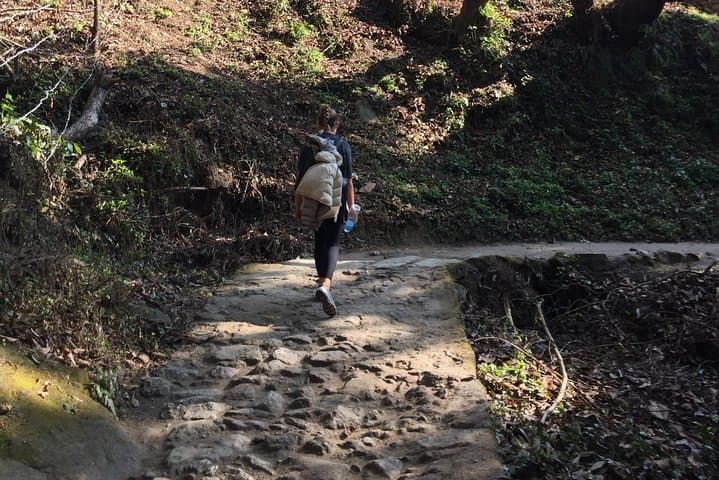
The Chisapani–Nagarkot route threads the northern rim of the Kathmandu Valley through sections of Shivapuri Nagarjun National Park and traditional Tamang and Newar villages. Geologically the trail rides an uplifted spine: ancient schists and greywacke give way to weathered stone steps and narrow ridges with long views to the Greater Himalaya. Historically these paths linked farmsteads and monasteries; today they combine local foot-traffic and visitors seeking close, accessible mountain panoramas.
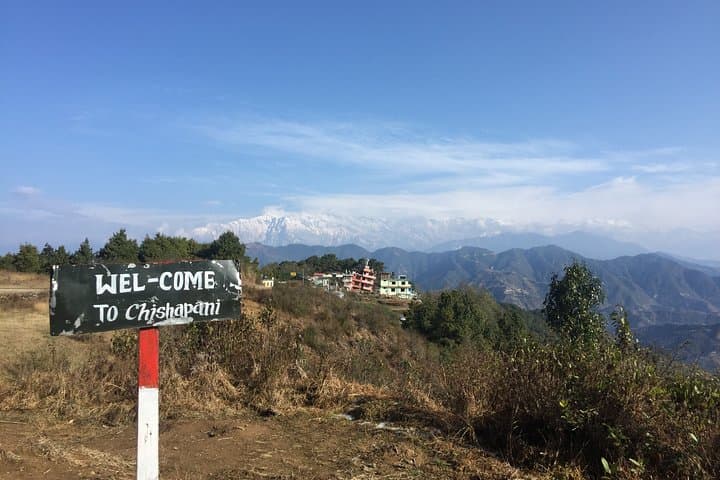
Day 1 begins with a short drive from Kathmandu to Sundarijal and a steady ascent to Chisapani (approx. 2,135 m). Expect 6–7 hours of trail time over shaded singletrack, stone staircases and short sections of exposed ridge. Day 2 pushes from Chisapani across open viewpoints and pine-scented forest to Nagarkot (approx. 2,175 m), around 7–8 hours on mixed terrain with intermittent tea houses. The final morning is early—20–45 minutes to the Nagarkot tower for a sunrise that can include Langtang, Annapurna, and Everest on exceptionally clear days.
Culturally, the route offers more than views: day-to-day exchanges in small tea houses, traditional Newari snacks, and prayer flags that mark village thresholds. Wildlife is subtle—macaques, pheasants and songbirds are common; larger mammals are rare inside the park.
Practical guidance: be prepared for long walking days on uneven stone steps and muddy patches after rain. Elevation tops out around 2,200 m so acute altitude issues are uncommon but bring layers for chilly mornings and evenings. Hydrate before and during hikes—tea houses refill bottles but carry filtration if you prefer tap water. Footwear with solid grip and ankle support makes steep descents less punishing. Expect basic tea-house accommodation on night one and a hotel with mountain views at Nagarkot on night two.
Timing: October–December and March–May typically offer the most reliable visibility; monsoon season brings leeches and slipperiness, while winter can be cold and foggy.
This is an ideal short trek for travelers based in Kathmandu who want a concentrated taste of Himalayan landscapes and rural hill culture without committing to high-altitude logistics.
moderate.
2–3 days.
Good cardiovascular fitness for 6–8 hour hiking days on uneven footing; ability to handle sustained uphill and downhill sections.
The route is suitable for hikers with basic fitness; days are long but technical difficulty is low—stone steps and uneven trails are the main challenges.
Park entry permits for Shivapuri Nagarjun National Park are included in the tour; independent trekkers should purchase permits at park entrances.
Night one is a simple tea-house with shared facilities; night two is a hilltop hotel with better rooms and mountain views.
Elevations stay around 2,100–2,200 m; altitude sickness is uncommon but hydrate, rest and communicate symptoms to guides.
Porter service is offered at a ratio of 1 porter per 2 people; single travelers may arrange a porter for an extra cost—confirm at booking.
Autumn (Oct–Dec) and spring (Mar–May) offer the most consistent visibility; monsoon months are cloudy and slippery.
These trails have linked Kathmandu Valley farmsteads and monasteries for centuries; local Tamang and Newar communities still maintain traditional farming and craft practices.
Portions of the route pass through Shivapuri Nagarjun National Park—stay on marked trails, avoid single-use plastics, and support local tea houses to keep tourism benefits local.
Happyland Treks operates guided outdoor trips and adventures with an emphasis on safety, stewardship, and memorable experiences.
On the third morning the sky opens like a sheet of glass and the Himalayan skyline—lots of pyramids and jagged teeth—slides into view. Travelers who spent the night in Nagarkot climb to the view tower before breakfast and watch distant peaks sharpen as sunlight cuts across terraced hills. That sunrise is the payoff for two days of walking along forested ridgelines, stopping at village tea houses and reading the slow rhythms of hill life.
On the third morning the sky opens like a sheet of glass and the Himalayan skyline—lots of pyramids and jagged teeth—slides into view. Travelers who spent the night in Nagarkot climb to the view tower before breakfast and watch distant peaks sharpen as sunlight cuts across terraced hills. That sunrise is the payoff for two days of walking along forested ridgelines, stopping at village tea houses and reading the slow rhythms of hill life.
The Chisapani–Nagarkot route threads the northern rim of the Kathmandu Valley through sections of Shivapuri Nagarjun National Park and traditional Tamang and Newar villages. Geologically the trail rides an uplifted spine: ancient schists and greywacke give way to weathered stone steps and narrow ridges with long views to the Greater Himalaya. Historically these paths linked farmsteads and monasteries; today they combine local foot-traffic and visitors seeking close, accessible mountain panoramas.
Day 1 begins with a short drive from Kathmandu to Sundarijal and a steady ascent to Chisapani (approx. 2,135 m). Expect 6–7 hours of trail time over shaded singletrack, stone staircases and short sections of exposed ridge. Day 2 pushes from Chisapani across open viewpoints and pine-scented forest to Nagarkot (approx. 2,175 m), around 7–8 hours on mixed terrain with intermittent tea houses. The final morning is early—20–45 minutes to the Nagarkot tower for a sunrise that can include Langtang, Annapurna, and Everest on exceptionally clear days.
Culturally, the route offers more than views: day-to-day exchanges in small tea houses, traditional Newari snacks, and prayer flags that mark village thresholds. Wildlife is subtle—macaques, pheasants and songbirds are common; larger mammals are rare inside the park.
Practical guidance: be prepared for long walking days on uneven stone steps and muddy patches after rain. Elevation tops out around 2,200 m so acute altitude issues are uncommon but bring layers for chilly mornings and evenings. Hydrate before and during hikes—tea houses refill bottles but carry filtration if you prefer tap water. Footwear with solid grip and ankle support makes steep descents less punishing. Expect basic tea-house accommodation on night one and a hotel with mountain views at Nagarkot on night two.
Timing: October–December and March–May typically offer the most reliable visibility; monsoon season brings leeches and slipperiness, while winter can be cold and foggy.
This is an ideal short trek for travelers based in Kathmandu who want a concentrated taste of Himalayan landscapes and rural hill culture without committing to high-altitude logistics.