THE ADVENTURE COLLECTIVE® · Independent discovery and booking for outdoor travel

Ride a climate-controlled coach through Chicago’s most notorious crime scenes with a local guide who blends history, video, and on-foot stops. In 2–2.5 hours you’ll see Biograph Theatre, the St. Valentine’s Day Massacre site, Nitti’s Vault and more—perfect for history lovers and true-crime fans.
Ride a climate-controlled coach through Chicago’s most notorious crime scenes with a local guide who blends history, video, and on-foot stops. In 2–2.5 hours you’ll see Biograph Theatre, the St. Valentine’s Day Massacre site, Nitti’s Vault and more—perfect for history lovers and true-crime fans.
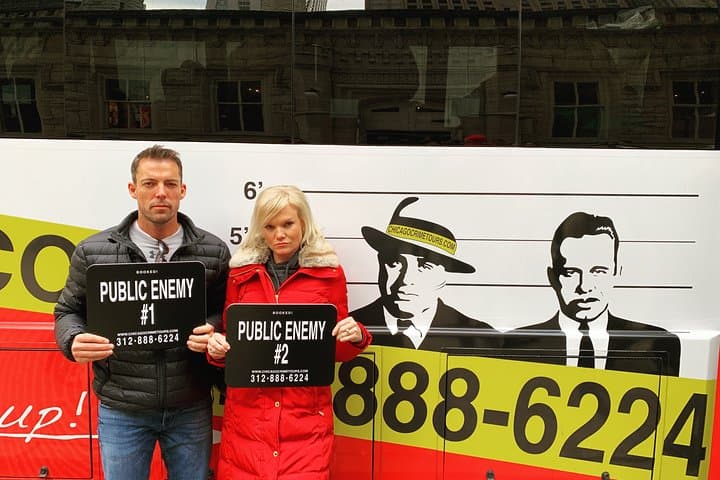
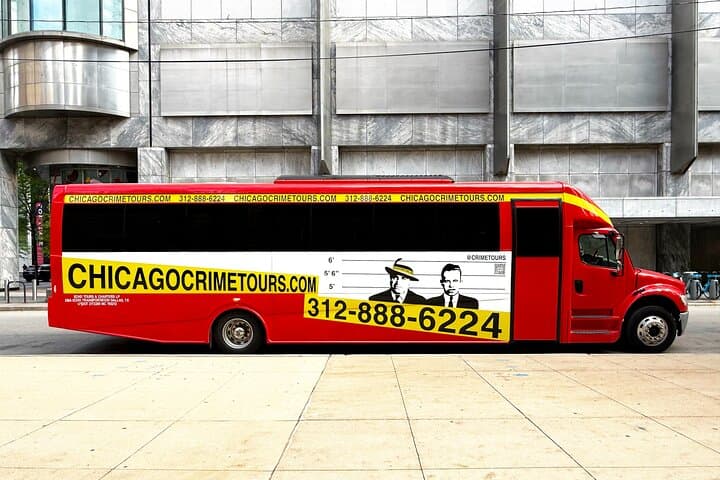
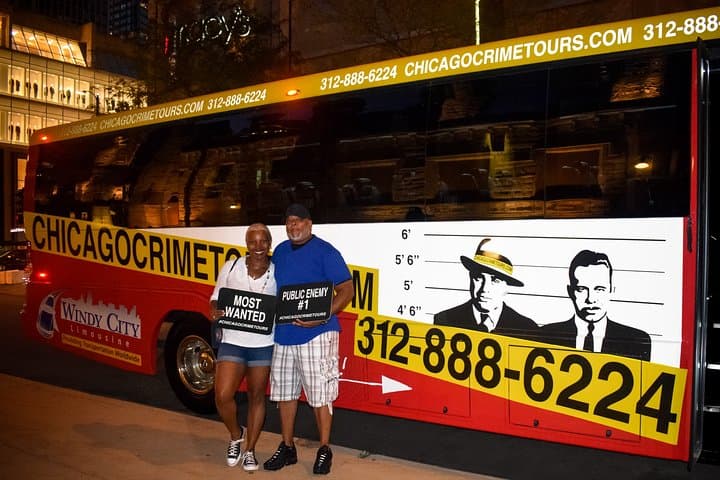
The coach idles with city light reflecting off its black paint. You step on board and the hum of the engine becomes the background to a storyteller’s voice: crisp, local, and full of names—Capone, Dillinger, Bugs Moran. As the bus rolls away from 163 E. Pearson, Michigan Avenue slips past in a blur of neon and glass. River reflections dare you to look closer; streetlights push the shadows into sharp frames where history once played out.
Verified experiences and guided adventures in the surrounding area.
Operated by Chicago Crime Tours and Experiences LLC · Chicago, Illinois
The coach idles with city light reflecting off its black paint. You step on board and the hum of the engine becomes the background to a storyteller’s voice: crisp, local, and full of names—Capone, Dillinger, Bugs Moran. As the bus rolls away from 163 E. Pearson, Michigan Avenue slips past in a blur of neon and glass. River reflections dare you to look closer; streetlights push the shadows into sharp frames where history once played out.
This is Chicago as crime scene and classroom. The Night Crimes Tour threads together the city’s Prohibition-era architecture, courthouse stoops, and alleyways where gangsters staged showdowns. The tour pauses at icons—Biograph Theatre where Dillinger met his end, the St. Valentine’s Day Massacre site that still reads like a page from a 1920s headline, and the Holy Name Cathedral whose stonework bears witness to a different kind of civic life. You’ll step off to walk the routes of notorious figures, then climb back into a climate-controlled bus to chase the next story.
Chicago’s streets are layered: 19th-century brick, 1920s limestone façades, postwar towers. The geology is urban—river channels rerouted, fills poured to support skyscrapers—but the architecture tells the human history: bootlegging tunnels under basements, speakeasy vaults like Nitti’s, and the scars of the Great Chicago Fire visible in surviving structures like the Water Tower. The city’s cultural texture is unchanged in how it composes myth and fact—criminal folklore and municipal grit overlapping on the same sidewalk.
Practically, the tour runs 2 to 2.5 hours and moves at a brisk, narrated pace. Meet 15 minutes before departure outside 163 E. Pearson (SE corner of Pearson and Michigan). The operator uses a luxury coach with seating on a first-come basis, room for one folding wheelchair, but no electronic lift and stairs to board. There are no restroom breaks, and eating or drinking on board is prohibited—plan accordingly.
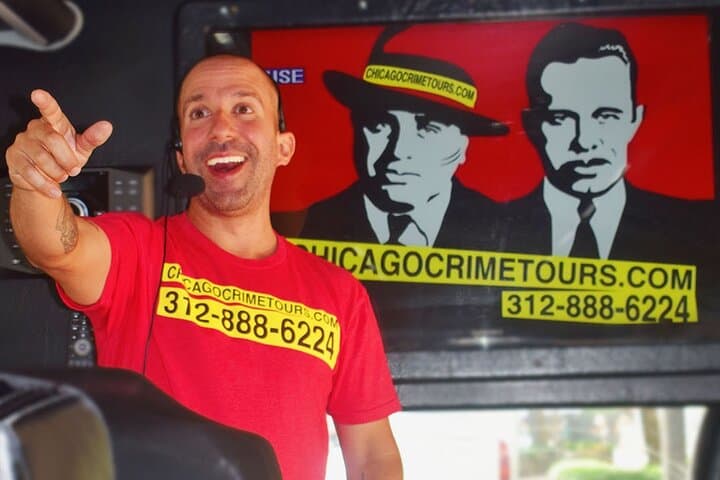
Bring a jacket for wind off the lake, charge your phone for low-light photos, and wear comfortable shoes for short walks at stop-offs. Guides mix historic video footage with live commentary and a crime quiz that makes the darker corners of Chicago readable and oddly social. For travelers who want history served with theater, this tour offers an efficient, atmospheric way to move through the city’s most infamous chapters—without having to find the parking.
easy.
2–2.5 hours.
Suitable for all fitness levels; requires short walks of 5–15 minutes at stops and ability to board bus steps.
Meet outside 163 E. Pearson Street (southeast corner of Pearson and Michigan Avenue). Arrive at least 15 minutes early; the bus departs on time.
No—there are no restroom stops during the 2–2.5 hour tour. Use facilities before boarding.
Yes, the tour includes brief off-bus stops for photos and short walks at several historic scenes; follow the guide’s instructions.
The bus can accommodate one folding wheelchair but has steps and no electronic lift. Contact the operator in advance to discuss needs.
Children are welcome but content covers violent historical events; parental discretion is advised and seating is first-come, first-served.
Full refunds are available if you cancel at least 24 hours before the scheduled departure; within 24 hours tickets are non-refundable.
Chicago’s mob era peaked during Prohibition when bootlegging and speakeasies turned parts of the city into organized crime hubs; the Water Tower remains one of the few pre-fire buildings in downtown.
Respect historic sites and private property, support local museums like Nitti’s Vault, and avoid leaving litter at on-foot stops to protect urban heritage.
Chicago Crime Tours and Experiences LLC operates guided outdoor trips and adventures with an emphasis on safety, stewardship, and memorable experiences.
The coach idles with city light reflecting off its black paint. You step on board and the hum of the engine becomes the background to a storyteller’s voice: crisp, local, and full of names—Capone, Dillinger, Bugs Moran. As the bus rolls away from 163 E. Pearson, Michigan Avenue slips past in a blur of neon and glass. River reflections dare you to look closer; streetlights push the shadows into sharp frames where history once played out.
The coach idles with city light reflecting off its black paint. You step on board and the hum of the engine becomes the background to a storyteller’s voice: crisp, local, and full of names—Capone, Dillinger, Bugs Moran. As the bus rolls away from 163 E. Pearson, Michigan Avenue slips past in a blur of neon and glass. River reflections dare you to look closer; streetlights push the shadows into sharp frames where history once played out.
This is Chicago as crime scene and classroom. The Night Crimes Tour threads together the city’s Prohibition-era architecture, courthouse stoops, and alleyways where gangsters staged showdowns. The tour pauses at icons—Biograph Theatre where Dillinger met his end, the St. Valentine’s Day Massacre site that still reads like a page from a 1920s headline, and the Holy Name Cathedral whose stonework bears witness to a different kind of civic life. You’ll step off to walk the routes of notorious figures, then climb back into a climate-controlled bus to chase the next story.
Chicago’s streets are layered: 19th-century brick, 1920s limestone façades, postwar towers. The geology is urban—river channels rerouted, fills poured to support skyscrapers—but the architecture tells the human history: bootlegging tunnels under basements, speakeasy vaults like Nitti’s, and the scars of the Great Chicago Fire visible in surviving structures like the Water Tower. The city’s cultural texture is unchanged in how it composes myth and fact—criminal folklore and municipal grit overlapping on the same sidewalk.
Practically, the tour runs 2 to 2.5 hours and moves at a brisk, narrated pace. Meet 15 minutes before departure outside 163 E. Pearson (SE corner of Pearson and Michigan). The operator uses a luxury coach with seating on a first-come basis, room for one folding wheelchair, but no electronic lift and stairs to board. There are no restroom breaks, and eating or drinking on board is prohibited—plan accordingly.
Bring a jacket for wind off the lake, charge your phone for low-light photos, and wear comfortable shoes for short walks at stop-offs. Guides mix historic video footage with live commentary and a crime quiz that makes the darker corners of Chicago readable and oddly social. For travelers who want history served with theater, this tour offers an efficient, atmospheric way to move through the city’s most infamous chapters—without having to find the parking.