THE ADVENTURE COLLECTIVE® · Independent discovery and booking for outdoor travel

A brisk, expert-led city loop that pairs landmark stops with an optional 75-minute architecture cruise on the Chicago River. Perfect for first-time visitors who want skyline views, neighborhood context, and a compact primer on Chicago’s built history.
A brisk, expert-led city loop that pairs landmark stops with an optional 75-minute architecture cruise on the Chicago River. Perfect for first-time visitors who want skyline views, neighborhood context, and a compact primer on Chicago’s built history.
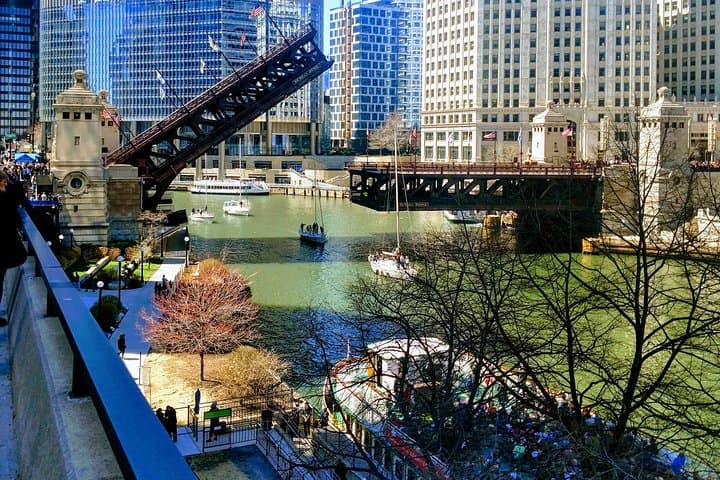
The minibus eases away from the Palmer House’s Wabash entrance and the city opens like a set of layered postcards—ornate terra-cotta cornices slide past steel-and-glass towers, the river glints between bascule bridges, and the lake pushes a cool breath through loop-side streets. An expert guide narrates in concise, impatient sentences; buildings get names, dates, and the kind of scandal-free gossip that makes facades feel human.
Verified experiences and guided adventures in the surrounding area.
Operated by See it ALL Chicago Tours · Chicago, Illinois
The minibus eases away from the Palmer House’s Wabash entrance and the city opens like a set of layered postcards—ornate terra-cotta cornices slide past steel-and-glass towers, the river glints between bascule bridges, and the lake pushes a cool breath through loop-side streets. An expert guide narrates in concise, impatient sentences; buildings get names, dates, and the kind of scandal-free gossip that makes facades feel human.
This small-group sightseeing loop stitches together Chicago’s key scenes: Millennium Park’s reflective Bean, the Magnificent Mile’s retail glare, the Gold Coast’s stone brownstones, Lincoln Park’s broad lawns and the sweep of Lake Shore Drive. The optional upgrade—Shoreline Sightseeing’s architecture cruise—adds a different rhythm: the river becomes a docent, barges and bridges punctuating stories about firms and architects who chased height and light after the Great Chicago Fire of 1871.
Geology and urbanism converge here. The shoreline of Lake Michigan shaped the city’s grid and gave builders a foundation of compacted glacial outwash and marsh fill that both enabled and complicated the rise of the nation’s first skyscrapers. Architects responded with new materials and engineering—steel frames, terra-cotta cladding, decorative motifs—that still read clearly from the river.
Culture in Chicago is neighborhood-first. On a two- to four-hour loop, the tour touches on civic investments that made modern Chicago: the Museum Campus with its sweeping skyline perspectives, the Wrigley Building’s clock tower, Tribune Tower’s carved fragments brought from around the world. Guides drop in historical context without slowing the momentum: labor movements, architectural rivalries, and the river’s 19th-century reversal to protect public health.
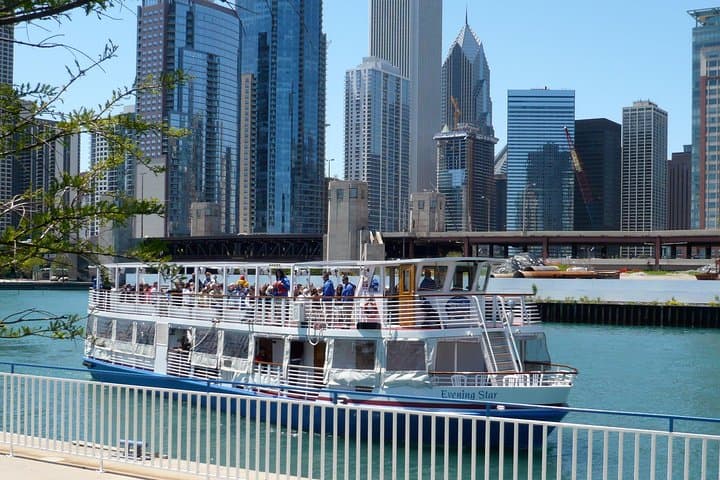
Practical nuts-and-bolts: choose the river-cruise combo for a 75-minute on-water primer—there’s a bar on board and the cruise finishes near Michigan and Wacker, within walking distance of most downtown hotels. If you skip the boat, the minibus returns to the Palmer House meeting point. Tours operate in all weather; dress in layers along the lakefront and bring a windproof jacket in spring and fall. Comfortable shoes matter: three photo stops include short walks and one longer 10-minute stop with the city skyline.
Timing matters. Morning runs softer light across facades; late afternoon gives the river bridges a low glow. Cameras pick up best when exposed for sky and shadow—look for reflections at the Riverwalk and the skyline framing from Museum Campus. For first-time Chicago visitors the tour is both orientation and a compact course in the city’s architectural vocabulary: precise, fast-moving, and built to send you back out on foot—or toward the water—with a list of places to explore further.
easy.
2–4 hours.
Suitable for most fitness levels; includes short standing and walking stops.
The guide meets guests at the Wabash Street entrance of the Palmer House Hotel; arrive 10–15 minutes early.
The boat cruise is optional—select it when booking; it lasts about 75 minutes and ends at Michigan Ave & Wacker Drive.
The minibus and most stops are stroller- and wheelchair-accessible, but check with the operator for specific mobility needs.
Tours operate in all weather; bring rain protection. The captain may alter the cruise route in heavy weather for safety.
If you choose the bus-only option you’ll be returned to the original departure point; the boat option ends near Michigan & Wacker and requires your own return transport.
Guides and boat crew appreciate tips—10–20% of the tour cost is a common guideline for guide services.
Chicago’s skyline emerged after the 1871 Great Chicago Fire and an engineering push for taller commercial buildings; the city became a testing ground for modern skyscraper design.
The Chicago River has been the focus of multi-decade cleanup efforts; choose operators that follow low-impact practices and stay on designated walkways to protect riparian habitats.
See it ALL Chicago Tours operates guided outdoor trips and adventures with an emphasis on safety, stewardship, and memorable experiences.
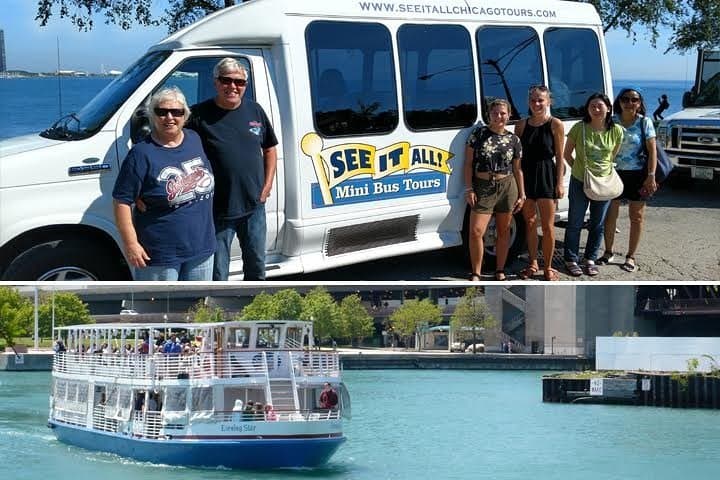
The minibus eases away from the Palmer House’s Wabash entrance and the city opens like a set of layered postcards—ornate terra-cotta cornices slide past steel-and-glass towers, the river glints between bascule bridges, and the lake pushes a cool breath through loop-side streets. An expert guide narrates in concise, impatient sentences; buildings get names, dates, and the kind of scandal-free gossip that makes facades feel human.
The minibus eases away from the Palmer House’s Wabash entrance and the city opens like a set of layered postcards—ornate terra-cotta cornices slide past steel-and-glass towers, the river glints between bascule bridges, and the lake pushes a cool breath through loop-side streets. An expert guide narrates in concise, impatient sentences; buildings get names, dates, and the kind of scandal-free gossip that makes facades feel human.
This small-group sightseeing loop stitches together Chicago’s key scenes: Millennium Park’s reflective Bean, the Magnificent Mile’s retail glare, the Gold Coast’s stone brownstones, Lincoln Park’s broad lawns and the sweep of Lake Shore Drive. The optional upgrade—Shoreline Sightseeing’s architecture cruise—adds a different rhythm: the river becomes a docent, barges and bridges punctuating stories about firms and architects who chased height and light after the Great Chicago Fire of 1871.
Geology and urbanism converge here. The shoreline of Lake Michigan shaped the city’s grid and gave builders a foundation of compacted glacial outwash and marsh fill that both enabled and complicated the rise of the nation’s first skyscrapers. Architects responded with new materials and engineering—steel frames, terra-cotta cladding, decorative motifs—that still read clearly from the river.
Culture in Chicago is neighborhood-first. On a two- to four-hour loop, the tour touches on civic investments that made modern Chicago: the Museum Campus with its sweeping skyline perspectives, the Wrigley Building’s clock tower, Tribune Tower’s carved fragments brought from around the world. Guides drop in historical context without slowing the momentum: labor movements, architectural rivalries, and the river’s 19th-century reversal to protect public health.
Practical nuts-and-bolts: choose the river-cruise combo for a 75-minute on-water primer—there’s a bar on board and the cruise finishes near Michigan and Wacker, within walking distance of most downtown hotels. If you skip the boat, the minibus returns to the Palmer House meeting point. Tours operate in all weather; dress in layers along the lakefront and bring a windproof jacket in spring and fall. Comfortable shoes matter: three photo stops include short walks and one longer 10-minute stop with the city skyline.
Timing matters. Morning runs softer light across facades; late afternoon gives the river bridges a low glow. Cameras pick up best when exposed for sky and shadow—look for reflections at the Riverwalk and the skyline framing from Museum Campus. For first-time Chicago visitors the tour is both orientation and a compact course in the city’s architectural vocabulary: precise, fast-moving, and built to send you back out on foot—or toward the water—with a list of places to explore further.