THE ADVENTURE COLLECTIVE® · Independent discovery and booking for outdoor travel

Walk the riverfront and into five preserved Art Deco lobbies that tell Chicago’s 1920s story. This 90-minute guided tour blends design history, urban engineering, and close-up views of marble, bronze, and geometric ornament.
Walk the riverfront and into five preserved Art Deco lobbies that tell Chicago’s 1920s story. This 90-minute guided tour blends design history, urban engineering, and close-up views of marble, bronze, and geometric ornament.
You step out from the cool foyer of the Chicago Architecture Center and the river finds you—threading between stone and metal, daring you to look up.
Verified experiences and guided adventures in the surrounding area.
Operated by Chicago Architecture Center · Chicago, Illinois
You step out from the cool foyer of the Chicago Architecture Center and the river finds you—threading between stone and metal, daring you to look up.
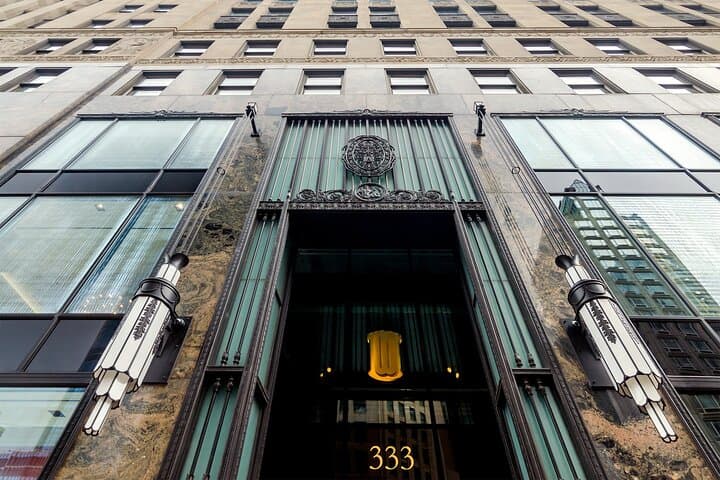
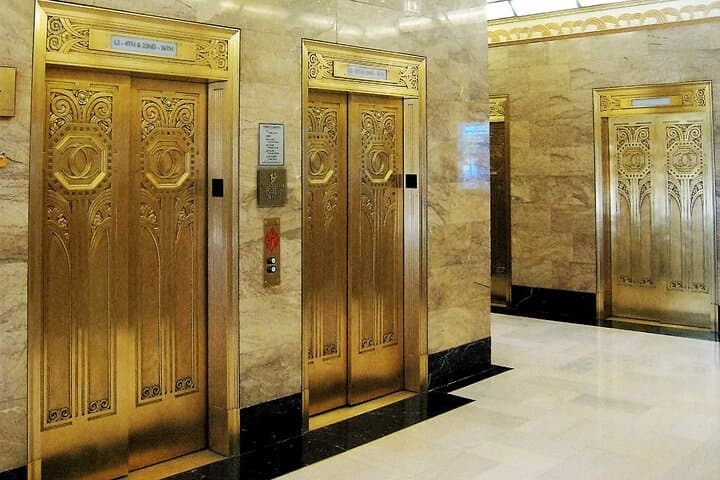
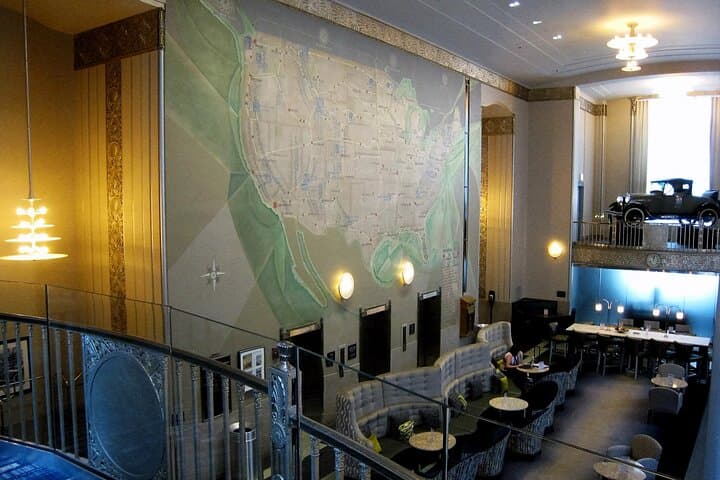
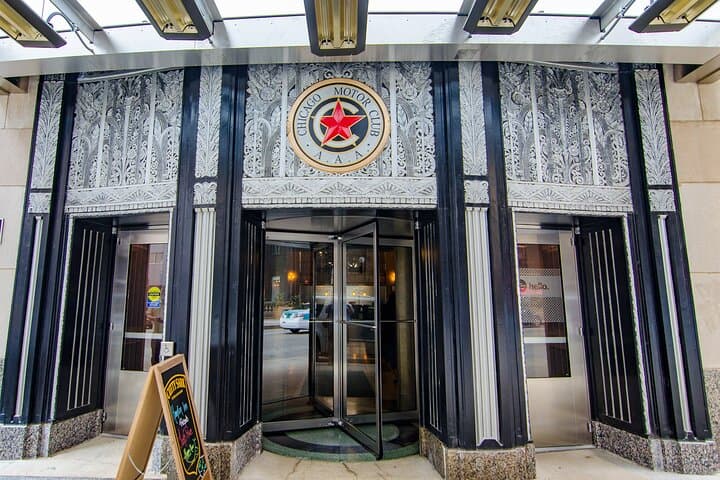
For 90 minutes the city becomes a classroom and a gallery: bronze elevators whisper like old stage coaches, green and black granite catch the afternoon, and stepped setbacks make the skyline climb like a geometric stair. This is the Roaring ’20s rendered in shellacked brass and patterned marble. The tour passes five Art Deco landmarks along the Chicago River—Carbide and Carbon (now Pendry Chicago), the former Chicago Motor Club, the Trustees System Service Building (Century Tower), and the Merchandise Mart—each lobby a concentrated dose of the era’s optimism and material bravado.
Art Deco arrived in Chicago amid postwar growth and a craving for modern ornament. Architects borrowed Egyptian and Aztec motifs, streamlined forms, and expensive finishes to signal speed, progress, and prosperity. Underfoot the city sits on glacial deposits and lake clay; the river itself has been rerouted and engineered over generations, giving the downtown its particular light and reflections that make the façades sing.
Beyond aesthetics, the tour connects design to daily life: how bank vaults and automobile clubs mirrored consumer culture, and how the riverfront transformed from industrial artery to civic promenade. Guides are certified professionals who fold in local lore—doormen who still polish brass, trade signs carved into stone, and odd details like the paint pigments chosen to read perfectly across the water.
Practicalities cut through the romance. The walk is roughly 1–1.5 miles on flat, mostly paved surfaces with short indoor stops in lobbies; expect a slow pace that accommodates groups and photography. Access to interiors can change with building hours and events—weekends and holidays sometimes close lobbies, so booking with the Chicago Architecture Center ensures the nonprofit’s curatorial access and supports education programs. Service animals are allowed; the route is stroller- and wheelchair-accessible but confirm at booking for specific accommodations.
For photographers, aim for late afternoon when the river’s reflections warm the façades, and bring a wide-angle lens for interiors. Wear comfortable shoes and dress in layers—Chicago weather flips quickly, and the river amplifies chilly breezes.
This tour is a compact, sensory primer on Art Deco’s civic chapter in Chicago—a guided urban walk that equips you with names, details, and the ability to spot the next carved sunburst on your own.
easy.
1–1.5 hours.
Minimal fitness required—comfortable walking on flat pavement for up to 90 minutes; seating available during stops.
Meet inside the Chicago Architecture Center at 111 E Wacker Drive; tours finish near Merchandise Mart at 222 Merchandise Plaza.
Yes—the route and many lobby stops are wheelchair accessible; confirm any specific accessibility needs when booking.
Most lobbies are included, but access can change due to events or security—guides note any changes ahead of time.
About 1–1.5 miles total over 90 minutes at a leisurely pace with multiple stops.
Yes—strollers are allowed; the tour content is suitable for older children who enjoy architecture and urban stories.
Full refunds are available if you cancel at least 24 hours before the scheduled departure time.
These buildings were erected during Chicago’s economic surge in the 1920s; Art Deco here expressed a city eager to reinvent itself after war and growth.
The Chicago Architecture Center partners with preservation groups—respect lobby spaces, avoid flash photography where requested, and support access fees that fund education.
Chicago Architecture Center operates guided outdoor trips and adventures with an emphasis on safety, stewardship, and memorable experiences.
You step out from the cool foyer of the Chicago Architecture Center and the river finds you—threading between stone and metal, daring you to look up.
You step out from the cool foyer of the Chicago Architecture Center and the river finds you—threading between stone and metal, daring you to look up.
For 90 minutes the city becomes a classroom and a gallery: bronze elevators whisper like old stage coaches, green and black granite catch the afternoon, and stepped setbacks make the skyline climb like a geometric stair. This is the Roaring ’20s rendered in shellacked brass and patterned marble. The tour passes five Art Deco landmarks along the Chicago River—Carbide and Carbon (now Pendry Chicago), the former Chicago Motor Club, the Trustees System Service Building (Century Tower), and the Merchandise Mart—each lobby a concentrated dose of the era’s optimism and material bravado.
Art Deco arrived in Chicago amid postwar growth and a craving for modern ornament. Architects borrowed Egyptian and Aztec motifs, streamlined forms, and expensive finishes to signal speed, progress, and prosperity. Underfoot the city sits on glacial deposits and lake clay; the river itself has been rerouted and engineered over generations, giving the downtown its particular light and reflections that make the façades sing.
Beyond aesthetics, the tour connects design to daily life: how bank vaults and automobile clubs mirrored consumer culture, and how the riverfront transformed from industrial artery to civic promenade. Guides are certified professionals who fold in local lore—doormen who still polish brass, trade signs carved into stone, and odd details like the paint pigments chosen to read perfectly across the water.
Practicalities cut through the romance. The walk is roughly 1–1.5 miles on flat, mostly paved surfaces with short indoor stops in lobbies; expect a slow pace that accommodates groups and photography. Access to interiors can change with building hours and events—weekends and holidays sometimes close lobbies, so booking with the Chicago Architecture Center ensures the nonprofit’s curatorial access and supports education programs. Service animals are allowed; the route is stroller- and wheelchair-accessible but confirm at booking for specific accommodations.
For photographers, aim for late afternoon when the river’s reflections warm the façades, and bring a wide-angle lens for interiors. Wear comfortable shoes and dress in layers—Chicago weather flips quickly, and the river amplifies chilly breezes.
This tour is a compact, sensory primer on Art Deco’s civic chapter in Chicago—a guided urban walk that equips you with names, details, and the ability to spot the next carved sunburst on your own.