THE ADVENTURE COLLECTIVE® · Independent discovery and booking for outdoor travel

From Tangier’s early-morning bustle to the blue alleys of Chefchaouen and the rushing pools of Akchour, this full-day tour packs culture, history, and a moderate mountain hike into one memorable outing. Here’s what to expect and how to prepare.
From Tangier’s early-morning bustle to the blue alleys of Chefchaouen and the rushing pools of Akchour, this full-day tour packs culture, history, and a moderate mountain hike into one memorable outing. Here’s what to expect and how to prepare.
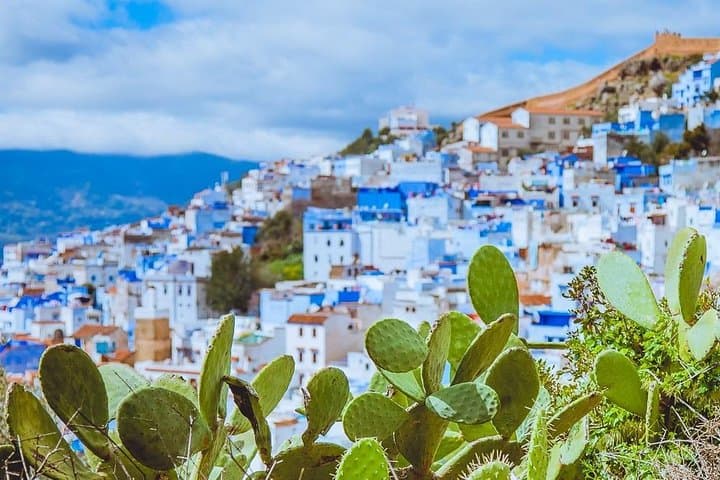
The minivan slides out of Tangier before dawn, headlights cutting through the olive-scrubbed slopes of the Rif. By the time the sun warms the windshield, the blue-washed alleys of Chefchaouen appear like a painting come to life — doors and stairways painted in every shade between powder and cobalt, laundry snapping in narrow shafts of light. The city’s scent is a mix of frying olive oil, sweet mint tea, and cedar-smoke from rooftop fires. For a day, the medina’s slow, photographic rhythm is your counterpoint to the sharper tempo ahead: a hike into the Akchour gorge where water insists on moving, carving, and cooling the landscape.
Verified experiences and guided adventures in the surrounding area.
Operated by JTT Morocco · Chefchaouen, Tanger-Tetouan-Al Hoceima
The minivan slides out of Tangier before dawn, headlights cutting through the olive-scrubbed slopes of the Rif. By the time the sun warms the windshield, the blue-washed alleys of Chefchaouen appear like a painting come to life — doors and stairways painted in every shade between powder and cobalt, laundry snapping in narrow shafts of light. The city’s scent is a mix of frying olive oil, sweet mint tea, and cedar-smoke from rooftop fires. For a day, the medina’s slow, photographic rhythm is your counterpoint to the sharper tempo ahead: a hike into the Akchour gorge where water insists on moving, carving, and cooling the landscape.
Chefchaouen’s blue comes from layered histories. Andalusian refugees, arriving in the 15th century, blended with indigenous Berber communities; the result is an urban layout optimized for shade and airflow, glazed with pigments once thought to repel insects and reflect heat. The town’s Kasbah — a low fortress reclad in white and blue — offers the clearest reading of that history, its tower giving a short, steep climb and a wide view that places the Rif Mountains as a living backdrop.
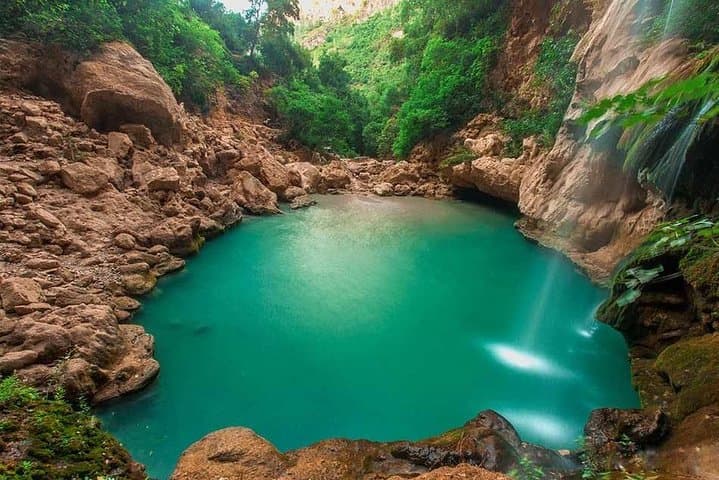
An hour’s drive from the medina, the trailhead for Akchour starts at a farmhouse and then narrows into a ribbon of rock and river. The hike to the Grand Waterfall is a moderate walk: expect roughly 6–8 km roundtrip with 200–350 meters of cumulative ascent on stone steps, packed earth, and river-slick rock. Wooden footbridges and well-worn detours keep you close to the water, which seems to dare you forward with each new pool. The Grand Waterfall drops into a cool basin that, on warm days, invites dipping toes or a quick swim; currents are energetic and should be treated with respect.
Local guides point out geology: folded limestone cliffs, karst channels that funnel winter rains into dramatic cascades. Alongside natural features, you’ll see shepherds moving small herds, and small roadside stalls selling mint tea and fresh goat cheese—simple, immediate tastes of Rif life.
Practical edge: this is a long day — expect a 10-hour outing with about three hours in Chefchaouen and two to three hours on the trail. Wear grippy hiking shoes, bring at least 1.5 liters of water, sunscreen, and cash for market snacks and tips. The walk is accessible to anyone with moderate fitness, but uneven footing and a few steep sections make poles and a steady pace useful. The operator includes pickup in Tangier and an English-speaking guide; port pick-ups cost extra, and the tour requires a minimum of two people.
By late afternoon the minivan hums back toward the coast with muddy shoes and blue-tinted postcards. You’ll carry the quiet of limestone pools and the city’s blue alleys with you — a day that balances easy urban wandering with a hands-on slice of Moroccan mountain country.
moderate.
10 hours.
Suitable for travelers with moderate fitness — regular walkers who can handle 6–8 km and some elevation.
Plan on about 6–8 km roundtrip from the main trailhead to the Grand Waterfall, with 200–350 meters of cumulative elevation change depending on route variations.
Yes — transport from Tangier and a guide are included; pickups from Tangier ports may incur an extra fee.
Yes, but the tour recommends a moderate fitness level; parents should supervise children on slippery sections and near pools.
Basic guiding and transport are included; any local site fees or optional activities are typically paid locally — bring cash.
Swimming is possible in calmer pools, but currents near the main drop can be strong; exercise caution and avoid swift sections.
Most guides speak English and French; confirm specific language needs at booking if you require another language.
Chefchaouen grew as a refuge for Andalusian Muslims and Jews in the 15th century and retains strong architectural and culinary links to southern Spain and Berber culture.
Akchour’s ecosystems are sensitive to foot traffic and litter; stick to trails, pack out waste, and support local guides who help manage visitor impact.
JTT Morocco operates guided outdoor trips and adventures with an emphasis on safety, stewardship, and memorable experiences.
The minivan slides out of Tangier before dawn, headlights cutting through the olive-scrubbed slopes of the Rif. By the time the sun warms the windshield, the blue-washed alleys of Chefchaouen appear like a painting come to life — doors and stairways painted in every shade between powder and cobalt, laundry snapping in narrow shafts of light. The city’s scent is a mix of frying olive oil, sweet mint tea, and cedar-smoke from rooftop fires. For a day, the medina’s slow, photographic rhythm is your counterpoint to the sharper tempo ahead: a hike into the Akchour gorge where water insists on moving, carving, and cooling the landscape.
The minivan slides out of Tangier before dawn, headlights cutting through the olive-scrubbed slopes of the Rif. By the time the sun warms the windshield, the blue-washed alleys of Chefchaouen appear like a painting come to life — doors and stairways painted in every shade between powder and cobalt, laundry snapping in narrow shafts of light. The city’s scent is a mix of frying olive oil, sweet mint tea, and cedar-smoke from rooftop fires. For a day, the medina’s slow, photographic rhythm is your counterpoint to the sharper tempo ahead: a hike into the Akchour gorge where water insists on moving, carving, and cooling the landscape.
Chefchaouen’s blue comes from layered histories. Andalusian refugees, arriving in the 15th century, blended with indigenous Berber communities; the result is an urban layout optimized for shade and airflow, glazed with pigments once thought to repel insects and reflect heat. The town’s Kasbah — a low fortress reclad in white and blue — offers the clearest reading of that history, its tower giving a short, steep climb and a wide view that places the Rif Mountains as a living backdrop.
An hour’s drive from the medina, the trailhead for Akchour starts at a farmhouse and then narrows into a ribbon of rock and river. The hike to the Grand Waterfall is a moderate walk: expect roughly 6–8 km roundtrip with 200–350 meters of cumulative ascent on stone steps, packed earth, and river-slick rock. Wooden footbridges and well-worn detours keep you close to the water, which seems to dare you forward with each new pool. The Grand Waterfall drops into a cool basin that, on warm days, invites dipping toes or a quick swim; currents are energetic and should be treated with respect.
Local guides point out geology: folded limestone cliffs, karst channels that funnel winter rains into dramatic cascades. Alongside natural features, you’ll see shepherds moving small herds, and small roadside stalls selling mint tea and fresh goat cheese—simple, immediate tastes of Rif life.
Practical edge: this is a long day — expect a 10-hour outing with about three hours in Chefchaouen and two to three hours on the trail. Wear grippy hiking shoes, bring at least 1.5 liters of water, sunscreen, and cash for market snacks and tips. The walk is accessible to anyone with moderate fitness, but uneven footing and a few steep sections make poles and a steady pace useful. The operator includes pickup in Tangier and an English-speaking guide; port pick-ups cost extra, and the tour requires a minimum of two people.
By late afternoon the minivan hums back toward the coast with muddy shoes and blue-tinted postcards. You’ll carry the quiet of limestone pools and the city’s blue alleys with you — a day that balances easy urban wandering with a hands-on slice of Moroccan mountain country.