THE ADVENTURE COLLECTIVE® · Independent discovery and booking for outdoor travel

Walk the blue alleys of Chefchaouen, then follow a mountain river to Akchour’s cascading pools on a full-day expedition from the Rif. This guided tour blends easy cultural strolling with a moderate hike that ends at an alpine waterfall.
Walk the blue alleys of Chefchaouen, then follow a mountain river to Akchour’s cascading pools on a full-day expedition from the Rif. This guided tour blends easy cultural strolling with a moderate hike that ends at an alpine waterfall.
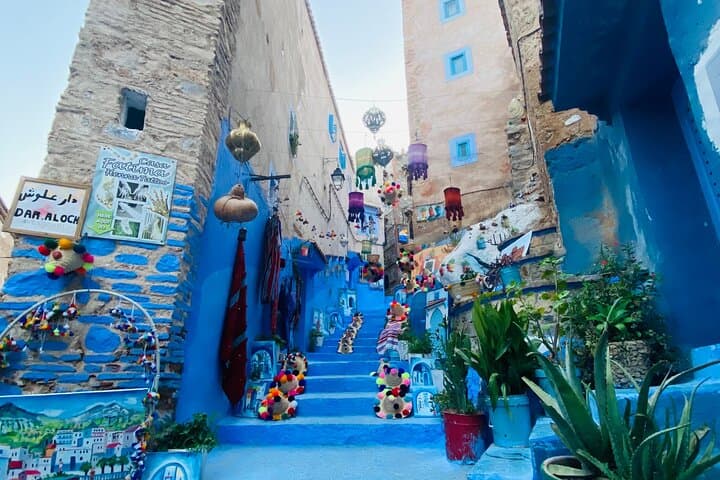
You arrive before the medina breathes fully awake: sun slices the Rif Mountains, paint on plaster turns electric blue, and the air smells faintly of olive wood smoke and mint tea. The driver drops you at a narrow alley and a local guide materializes—part historian, part pathfinder—ready to lead you through Chefchaouen’s labyrinth of bluewashed walls and toward the mountain where water still runs with purpose.
Verified experiences and guided adventures in the surrounding area.
Operated by Tangier Tours&Adventures · Chefchaouen, Tanger-Tetouan-Al Hoceima
You arrive before the medina breathes fully awake: sun slices the Rif Mountains, paint on plaster turns electric blue, and the air smells faintly of olive wood smoke and mint tea. The driver drops you at a narrow alley and a local guide materializes—part historian, part pathfinder—ready to lead you through Chefchaouen’s labyrinth of bluewashed walls and toward the mountain where water still runs with purpose.
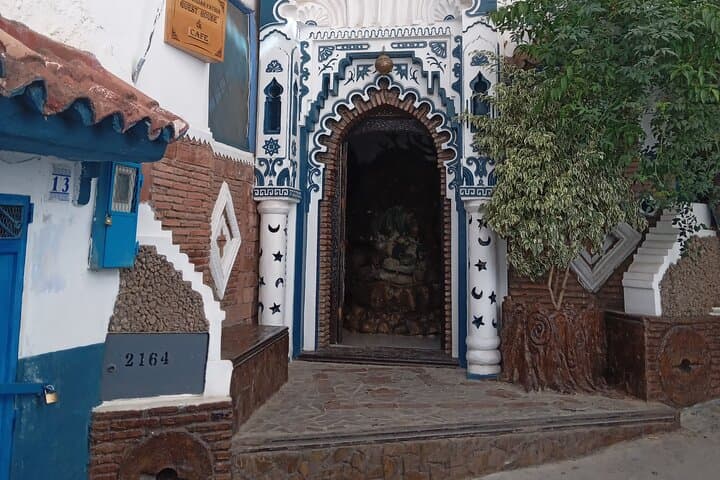
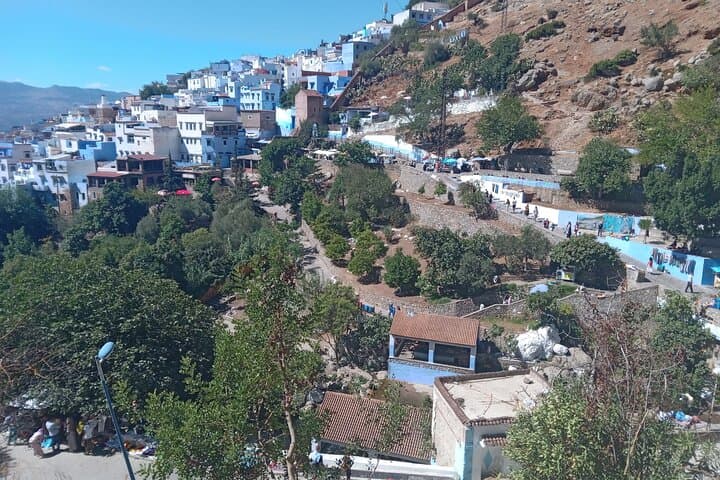
Chefchaouen’s blue lanes are more than a photo backdrop; they are a living record. Founded in the 15th century by Andalusian refugees, the town’s distinctive pigments were later reinforced by Jewish communities who associated blue with spirituality. Cobbled streets slope toward Ras El Maa, where a cool spring splashes under an old mill—an everyday meeting place that links urban life with mountain water.
Beyond the town, the landscape shifts to the Rif’s limestone shoulders. Akchour is a short drive east, where the hike to the main cascade unfolds over roughly 6 km round trip with about 200–300 m of cumulative elevation gain. The trail follows the Oued Akchour, folding through cork and olive groves, crossing shallow fords and stepping onto packed-earth paths and slick limestone slabs. Geologically, the area is young Mediterranean karst: the rock eats water into caves and natural arches, which is why features like the famous God’s Bridge and hidden plunge pools form here.
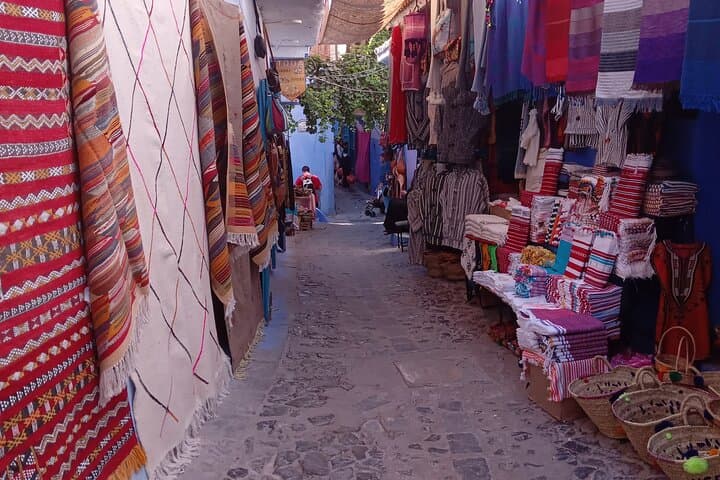
Culturally, the day pairs two rhythms: the slow market tempo of Chefchaouen—where handwoven blankets and silver jewelry trade hands—with the brisk, wet cadence of the Akchour trail. Local guides offer stories about mountain herbs, seasonal grazing, and how water rights shaped village life. Practically, expect a moderate hike suitable for most walkers but wear sturdy shoes; the river dares you to misstep on its smoother slabs.
Plan your timing: with roughly eight hours on the clock, aim for an early departure to avoid midafternoon heat and to get quieter moments at the falls. Bring 1.5–2 liters of water, sun protection, and a small towel for the plunge pools. While much of the route is well-marked, switchbacks and loose scree can appear—take poles if you prefer extra stability.
This day trip is a tidy balance: sensory street wandering, cultural context at Ras El Maa, and a mountain hike that rewards with a cool cascade and high viewpoints. Whether you linger over mint tea in the medina or slip into a shaded pool beneath the falls, the rhythm here pushes you to move—and then to pause—on one of Morocco’s most immediate landscapes.
moderate.
8 hours.
Suitable for travelers who can handle a 6 km roundtrip walk with 200–300 m elevation gain; basic stamina and balance recommended.
Expect approximately 6 km round trip with 200–300 m of cumulative elevation gain; most groups spend 1.5–2 hours on the trail section to the main fall.
Yes—the route is considered moderate; children who can walk several kilometers and older travelers in reasonable health can usually participate, though river crossings may be challenging for some.
The tour lists admission to key sites as included where applicable; confirm with the operator if any local park fees apply on the day of your visit.
Yes, there are plunge pools suitable for swimming, but water is cold and currents can be stronger after rain—assess conditions before entering.
Bring Moroccan dirham for small purchases, tips, and market purchases; some vendors accept cards in Chefchaouen but cash is preferred.
Chefchaouen’s medina has many steep and cobbled streets, which can be difficult for wheelchairs despite accessible transport options to the town.
Chefchaouen was founded in the 15th century by Andalusian exiles and later absorbed Jewish and Berber influences, shaping its blue-painted medina and craft traditions.
The Rif region faces pressures from erosion and overgrazing; stick to marked trails and avoid single-use plastics to reduce impact.
Tangier Tours&Adventures operates guided outdoor trips and adventures with an emphasis on safety, stewardship, and memorable experiences.
You arrive before the medina breathes fully awake: sun slices the Rif Mountains, paint on plaster turns electric blue, and the air smells faintly of olive wood smoke and mint tea. The driver drops you at a narrow alley and a local guide materializes—part historian, part pathfinder—ready to lead you through Chefchaouen’s labyrinth of bluewashed walls and toward the mountain where water still runs with purpose.
You arrive before the medina breathes fully awake: sun slices the Rif Mountains, paint on plaster turns electric blue, and the air smells faintly of olive wood smoke and mint tea. The driver drops you at a narrow alley and a local guide materializes—part historian, part pathfinder—ready to lead you through Chefchaouen’s labyrinth of bluewashed walls and toward the mountain where water still runs with purpose.
Chefchaouen’s blue lanes are more than a photo backdrop; they are a living record. Founded in the 15th century by Andalusian refugees, the town’s distinctive pigments were later reinforced by Jewish communities who associated blue with spirituality. Cobbled streets slope toward Ras El Maa, where a cool spring splashes under an old mill—an everyday meeting place that links urban life with mountain water.
Beyond the town, the landscape shifts to the Rif’s limestone shoulders. Akchour is a short drive east, where the hike to the main cascade unfolds over roughly 6 km round trip with about 200–300 m of cumulative elevation gain. The trail follows the Oued Akchour, folding through cork and olive groves, crossing shallow fords and stepping onto packed-earth paths and slick limestone slabs. Geologically, the area is young Mediterranean karst: the rock eats water into caves and natural arches, which is why features like the famous God’s Bridge and hidden plunge pools form here.
Culturally, the day pairs two rhythms: the slow market tempo of Chefchaouen—where handwoven blankets and silver jewelry trade hands—with the brisk, wet cadence of the Akchour trail. Local guides offer stories about mountain herbs, seasonal grazing, and how water rights shaped village life. Practically, expect a moderate hike suitable for most walkers but wear sturdy shoes; the river dares you to misstep on its smoother slabs.
Plan your timing: with roughly eight hours on the clock, aim for an early departure to avoid midafternoon heat and to get quieter moments at the falls. Bring 1.5–2 liters of water, sun protection, and a small towel for the plunge pools. While much of the route is well-marked, switchbacks and loose scree can appear—take poles if you prefer extra stability.
This day trip is a tidy balance: sensory street wandering, cultural context at Ras El Maa, and a mountain hike that rewards with a cool cascade and high viewpoints. Whether you linger over mint tea in the medina or slip into a shaded pool beneath the falls, the rhythm here pushes you to move—and then to pause—on one of Morocco’s most immediate landscapes.