THE ADVENTURE COLLECTIVE® · Independent discovery and booking for outdoor travel

Spend a long day traveling from Tangier to the Rif Mountains: a guided hike to Akchour’s waterfalls and Bridge of God, then a walking tour of Chefchaouen’s blue alleys. This private transfer-and-guide combo simplifies logistics so you can focus on river canopies, limestone arches and cobalt streets.
Spend a long day traveling from Tangier to the Rif Mountains: a guided hike to Akchour’s waterfalls and Bridge of God, then a walking tour of Chefchaouen’s blue alleys. This private transfer-and-guide combo simplifies logistics so you can focus on river canopies, limestone arches and cobalt streets.
The minivan peels away from Tangier before dawn, the Atlantic light thinning into the high, dry air of the Rif. Road and rhythm shift: medina walls give way to terraced olive groves, then to steep limestone ridges that lean over narrow valleys. By mid-morning the driver pulls into a small parking lot and the river begins to make its presence known — a constant, daring ribbon threading the forest toward the waterfalls.
Verified experiences and guided adventures in the surrounding area.
Operated by Tangier Unique Tours · Chefchaouen, Tanger-Tetouan-Al Hoceima
The minivan peels away from Tangier before dawn, the Atlantic light thinning into the high, dry air of the Rif. Road and rhythm shift: medina walls give way to terraced olive groves, then to steep limestone ridges that lean over narrow valleys. By mid-morning the driver pulls into a small parking lot and the river begins to make its presence known — a constant, daring ribbon threading the forest toward the waterfalls.
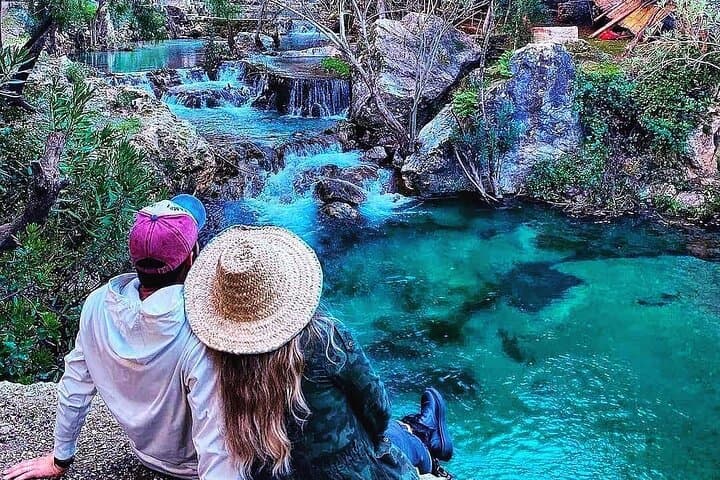
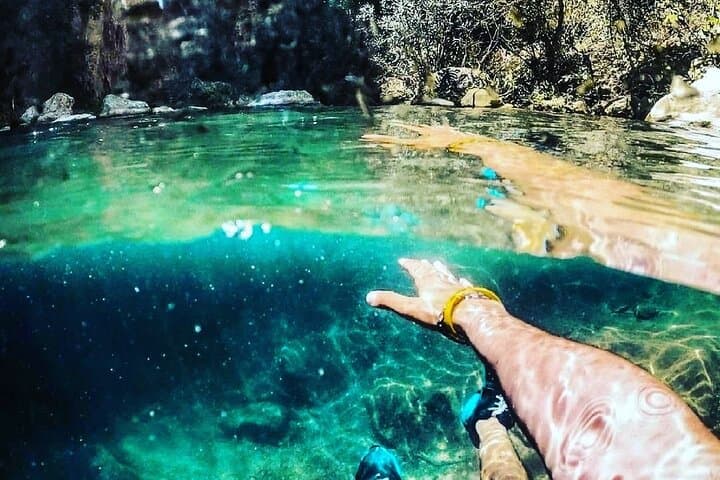
Akchour is immediate: a green corridor hemmed by steep cliffs, moss-slick boulders, and a river that insists on branching into tiny cascades at every turn. The hike to the famous Bridge of God and the main falls follows stone and dirt paths, alternately shaded and exposed, with the sound of running water doing the steady work of pulling you forward. The Bridge of God — a natural limestone arch carved by water and time — frames the valley like an old photograph; upstream, the falls spill into turquoise pools that invite, but demand respect for slippery rock.
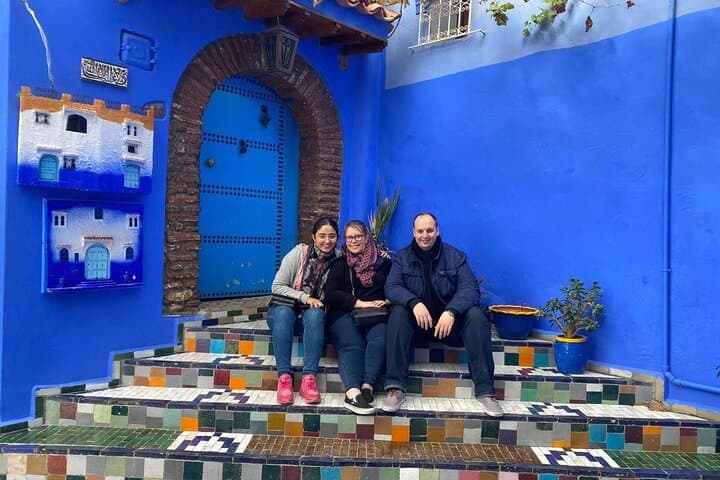
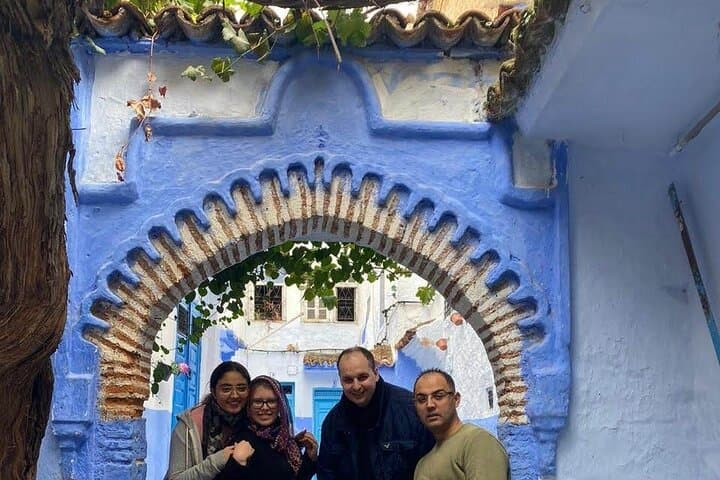
In the afternoon the tour moves to Chefchaouen, the town that paused history and took to painting itself blue. Founded in the 15th century as a fortress against Portuguese incursions, Chefchaouen later became a refuge for Andalusian and Jewish exiles; the muted blues that cover its alleys are practical and symbolic, cooling interiors and reflecting spiritual and cultural layers.
Geology here is hands-on: Jurassic limestone folded and fractured by tectonic forces, then sculpted by seasonal runoff into gorges and natural bridges. Culturally, the Rif’s Berber communities balance subsistence agriculture with growing tourism; local guides and restaurants on this route are often family-run and deeply rooted in place.
Practical guidance: expect a long day — plan on 8–10 hours mostly out of a comfortable vehicle with a guided 4–6 km round-trip hike to the Bridge of God and waterfalls with roughly 200–300 m cumulative ascent on uneven trails. Wear hiking shoes with good traction, bring at least 2 liters of water, sun protection, and small cash for roadside stalls. The trail has short, steep pitches and wet rock; poles help if you’re steady but cautious.
Timing matters: morning light on the waterfalls brings the clearest water colors and lighter crowds; late afternoon in Chefchaouen softens the blue alleys for photography and a quieter cadence.
This private tour bundles logistics — air-conditioned transport, bilingual driver, and a local guide in both Akchour and Chefchaouen — so you can focus on the landscape, the sound of water, and the small, human moments in market stalls and teahouses. Leave no trace, support local businesses, and let the river keep daring you downstream.
challenging.
8–10 hours.
You should be in good cardio shape and comfortable walking on uneven terrain for several hours; the day includes sustained walking plus travel time.
The guided section to the Bridge of God and back is typically 4–6 km round-trip and takes about 1.5–3 hours depending on pace and stops.
Pickup from Tangier hotels or meeting at Petit Socco are offered; private meeting points can be arranged when booking.
Entry to Cascades d’Akchour is included in the tour’s inclusions; small parking or service fees may still apply.
Chefchaouen’s alleys are family-friendly but the Akchour hike has slippery sections and short, exposed drops—children should be supervised closely.
Spring and fall offer the most comfortable hiking conditions and fuller waterfalls; summer is hotter but clearer, and winter can be wet and slippery.
Small pools are used for scrambling and quick dips at your own risk; avoid the main fall’s plunge pool due to currents and submerged hazards.
Chefchaouen was founded in 1471 and later became a refuge for Andalusian and Jewish exiles; the town’s blue paint has layered practical and cultural meanings.
Akchour’s riverbanks are ecologically sensitive—stay on trails, avoid single-use plastics, and use local guides to limit dispersed impacts.
Tangier Unique Tours operates guided outdoor trips and adventures with an emphasis on safety, stewardship, and memorable experiences.
The minivan peels away from Tangier before dawn, the Atlantic light thinning into the high, dry air of the Rif. Road and rhythm shift: medina walls give way to terraced olive groves, then to steep limestone ridges that lean over narrow valleys. By mid-morning the driver pulls into a small parking lot and the river begins to make its presence known — a constant, daring ribbon threading the forest toward the waterfalls.
The minivan peels away from Tangier before dawn, the Atlantic light thinning into the high, dry air of the Rif. Road and rhythm shift: medina walls give way to terraced olive groves, then to steep limestone ridges that lean over narrow valleys. By mid-morning the driver pulls into a small parking lot and the river begins to make its presence known — a constant, daring ribbon threading the forest toward the waterfalls.
Akchour is immediate: a green corridor hemmed by steep cliffs, moss-slick boulders, and a river that insists on branching into tiny cascades at every turn. The hike to the famous Bridge of God and the main falls follows stone and dirt paths, alternately shaded and exposed, with the sound of running water doing the steady work of pulling you forward. The Bridge of God — a natural limestone arch carved by water and time — frames the valley like an old photograph; upstream, the falls spill into turquoise pools that invite, but demand respect for slippery rock.
In the afternoon the tour moves to Chefchaouen, the town that paused history and took to painting itself blue. Founded in the 15th century as a fortress against Portuguese incursions, Chefchaouen later became a refuge for Andalusian and Jewish exiles; the muted blues that cover its alleys are practical and symbolic, cooling interiors and reflecting spiritual and cultural layers.
Geology here is hands-on: Jurassic limestone folded and fractured by tectonic forces, then sculpted by seasonal runoff into gorges and natural bridges. Culturally, the Rif’s Berber communities balance subsistence agriculture with growing tourism; local guides and restaurants on this route are often family-run and deeply rooted in place.
Practical guidance: expect a long day — plan on 8–10 hours mostly out of a comfortable vehicle with a guided 4–6 km round-trip hike to the Bridge of God and waterfalls with roughly 200–300 m cumulative ascent on uneven trails. Wear hiking shoes with good traction, bring at least 2 liters of water, sun protection, and small cash for roadside stalls. The trail has short, steep pitches and wet rock; poles help if you’re steady but cautious.
Timing matters: morning light on the waterfalls brings the clearest water colors and lighter crowds; late afternoon in Chefchaouen softens the blue alleys for photography and a quieter cadence.
This private tour bundles logistics — air-conditioned transport, bilingual driver, and a local guide in both Akchour and Chefchaouen — so you can focus on the landscape, the sound of water, and the small, human moments in market stalls and teahouses. Leave no trace, support local businesses, and let the river keep daring you downstream.