THE ADVENTURE COLLECTIVE® · Independent discovery and booking for outdoor travel

Spend a private day chasing three of Ubud and Bangli’s most memorable waterfalls, walk the subak-fed rice terraces and end with a classic Bali swing. This full-day tour blends nature, culture and practical logistics for travelers who want scenery with context.
Spend a private day chasing three of Ubud and Bangli’s most memorable waterfalls, walk the subak-fed rice terraces and end with a classic Bali swing. This full-day tour blends nature, culture and practical logistics for travelers who want scenery with context.
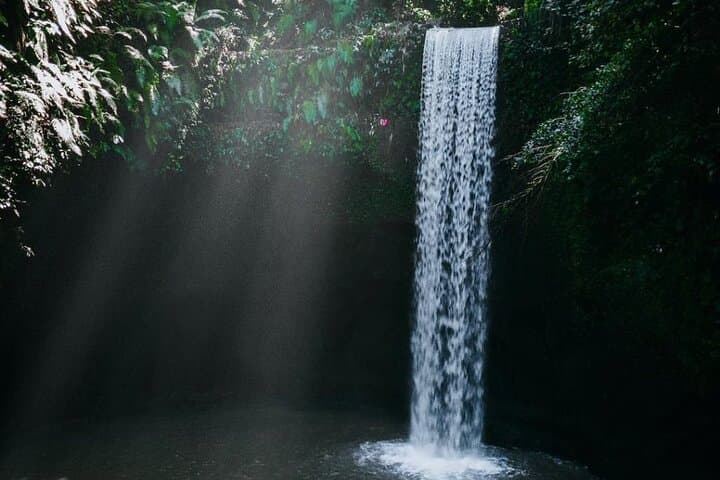
The morning starts before the island thins into day — your private English-speaking driver eases the van up narrow lanes, and the air shifts from coconut-sweet to cool, river-breathed. At the first pullout, a ribbon of water drops over a mossed lip and the forest leans in; wet stone walls shine like old metal under the cascade. This is a day built around motion: stepping down into gorges, wading across shallow plunge pools, walking along rice terraces where irrigation channels cut clean lines across the green.
Verified experiences and guided adventures in the surrounding area.
Operated by Tuti's Bali Private Tours · Ubud, Bali
The morning starts before the island thins into day — your private English-speaking driver eases the van up narrow lanes, and the air shifts from coconut-sweet to cool, river-breathed. At the first pullout, a ribbon of water drops over a mossed lip and the forest leans in; wet stone walls shine like old metal under the cascade. This is a day built around motion: stepping down into gorges, wading across shallow plunge pools, walking along rice terraces where irrigation channels cut clean lines across the green.
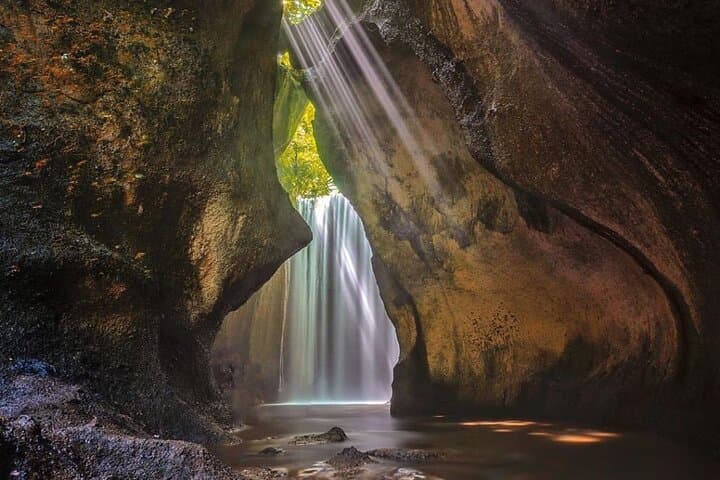
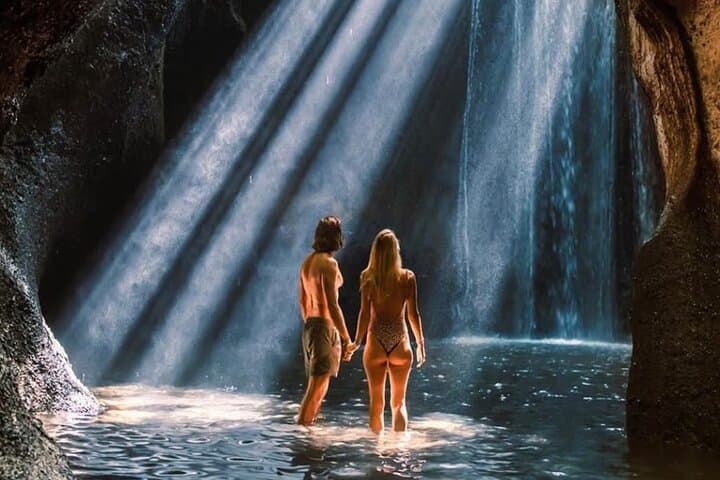
These falls—Tibumana, a popular green-forested basin; Tukad Cepung, the ‘cave’ waterfall where shafts of light pierce a woodland amphitheater; and a third local cascade framed by sheer stone walls—sit on volcanic rock sculpted by centuries of water. The terrain is younger than the mainland’s old ranges: basalt and andesite from Bali’s volcanoes, carved into narrow gullies and caves where sunlight, humidity and fern create a small, persistent rainforest.
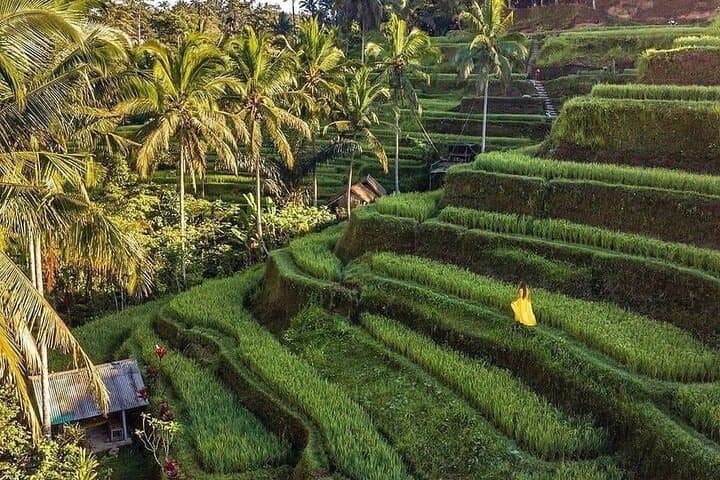
Culture and landscape are braided here. As you move from plunging water to rice paddies, guides explain the subak system—Bali’s traditional cooperative irrigation that operates on principles of communal water-sharing and is linked to Tri Hita Karana, the Balinese philosophy connecting people, the land and the spiritual world. Those terraced slopes are not merely scenic; they are living infrastructure, part of a UNESCO-recognized cultural landscape.
The tour finishes with a set-menu lunch of local dishes and a last, lighter adrenaline note: the Bali swing. It’s tourist-facing but undeniably joyful—an aerial photo op that calls on the same instinct as cliff jumping: face forward and trust the harness.
Practical side: the full experience is a private, roughly 10-hour day with hotel pick-up across greater Ubud and nearby beach towns. Expect uneven stone steps at waterfall access points, slick paths after rain, and short scrambles. Distances on foot are moderate—most walks are under 2 km at a time—but include stair descents and river crossings. Bring non-slip footwear you don’t mind getting wet, quick-dry clothing, and a waterproof case for your phone or camera.
Timing matters: early arrivals at Tibumana and Tukad Cepung avoid the midday crowds and capture the best light in the cave. Rainy season (roughly November–March) amps up flow—and slipperiness—while April–October is drier and better for clear photos and paddies that glow in late afternoon.
Entrance fees, lunch (if selected) and private transport are typically included in the tour package; small cash tips for guides are customary. For travelers who want nature with context, this loop delivers: waterfalls that act like natural theaters, rice systems that still manage the flow of life, and a few staged moments to take flight on a swing.
easy.
10 hours.
Suitable for most fitness levels; expect short hikes, stair descents and standing in shallow water.
Most packages include entrance fees for the listed sites when you select the option; confirm at booking and bring small cash for optional extras like the Bali Swing.
Yes—many pools allow swimming, but follow guide instructions and watch for current, rocks and depth changes.
Yes, private hotel pickup and drop-off across Ubud and major nearby towns is part of the tour.
The tour is family-friendly; infants must sit on a lap in transport and some waterfall access involves stairs that require close supervision.
Quick-dry clothes, swimwear underneath, a lightweight top for sun protection, and shoes with good traction are recommended.
Waterfalls run more forcefully in heavy rain and paths get slippery; the operator’s cancellation policy allows refunds if you cancel more than 24 hours ahead.
The rice terraces here are worked through the subak communal irrigation system, part of Bali’s cultural landscape and rooted in the Tri Hita Karana philosophy.
Stick to marked paths, avoid stepping on rice bunds, and use reef-safe sunscreen; local communities rely on tourism revenue but also on clean water sources.
Tuti's Bali Private Tours operates guided outdoor trips and adventures with an emphasis on safety, stewardship, and memorable experiences.
The morning starts before the island thins into day — your private English-speaking driver eases the van up narrow lanes, and the air shifts from coconut-sweet to cool, river-breathed. At the first pullout, a ribbon of water drops over a mossed lip and the forest leans in; wet stone walls shine like old metal under the cascade. This is a day built around motion: stepping down into gorges, wading across shallow plunge pools, walking along rice terraces where irrigation channels cut clean lines across the green.
The morning starts before the island thins into day — your private English-speaking driver eases the van up narrow lanes, and the air shifts from coconut-sweet to cool, river-breathed. At the first pullout, a ribbon of water drops over a mossed lip and the forest leans in; wet stone walls shine like old metal under the cascade. This is a day built around motion: stepping down into gorges, wading across shallow plunge pools, walking along rice terraces where irrigation channels cut clean lines across the green.
These falls—Tibumana, a popular green-forested basin; Tukad Cepung, the ‘cave’ waterfall where shafts of light pierce a woodland amphitheater; and a third local cascade framed by sheer stone walls—sit on volcanic rock sculpted by centuries of water. The terrain is younger than the mainland’s old ranges: basalt and andesite from Bali’s volcanoes, carved into narrow gullies and caves where sunlight, humidity and fern create a small, persistent rainforest.
Culture and landscape are braided here. As you move from plunging water to rice paddies, guides explain the subak system—Bali’s traditional cooperative irrigation that operates on principles of communal water-sharing and is linked to Tri Hita Karana, the Balinese philosophy connecting people, the land and the spiritual world. Those terraced slopes are not merely scenic; they are living infrastructure, part of a UNESCO-recognized cultural landscape.
The tour finishes with a set-menu lunch of local dishes and a last, lighter adrenaline note: the Bali swing. It’s tourist-facing but undeniably joyful—an aerial photo op that calls on the same instinct as cliff jumping: face forward and trust the harness.
Practical side: the full experience is a private, roughly 10-hour day with hotel pick-up across greater Ubud and nearby beach towns. Expect uneven stone steps at waterfall access points, slick paths after rain, and short scrambles. Distances on foot are moderate—most walks are under 2 km at a time—but include stair descents and river crossings. Bring non-slip footwear you don’t mind getting wet, quick-dry clothing, and a waterproof case for your phone or camera.
Timing matters: early arrivals at Tibumana and Tukad Cepung avoid the midday crowds and capture the best light in the cave. Rainy season (roughly November–March) amps up flow—and slipperiness—while April–October is drier and better for clear photos and paddies that glow in late afternoon.
Entrance fees, lunch (if selected) and private transport are typically included in the tour package; small cash tips for guides are customary. For travelers who want nature with context, this loop delivers: waterfalls that act like natural theaters, rice systems that still manage the flow of life, and a few staged moments to take flight on a swing.